When to Schedule Termite Control in Eddyville, KY
Scheduling termite control in Eddyville, KY
, at the right time can make the difference between minor preventative care and major structural repairs. Termites thrive in Kentucky’s climate, especially in areas with moisture, wooded surroundings, and older construction. Many homeowners don’t realize an infestation exists until damage is already extensive. Proactive termite control in Eddyville, KY, helps protect property value, maintain structural integrity, and avoid costly surprises.
Because termites work silently, timing inspections and treatment is essential. Knowing when termites are most active and what signs to watch for empowers property owners to take action before damage escalates.
Because termites work silently, timing inspections and treatment is essential. Knowing when termites are most active and what signs to watch for empowers property owners to take action before damage escalates.
Why Termites Are a Serious Threat in Eddyville Properties
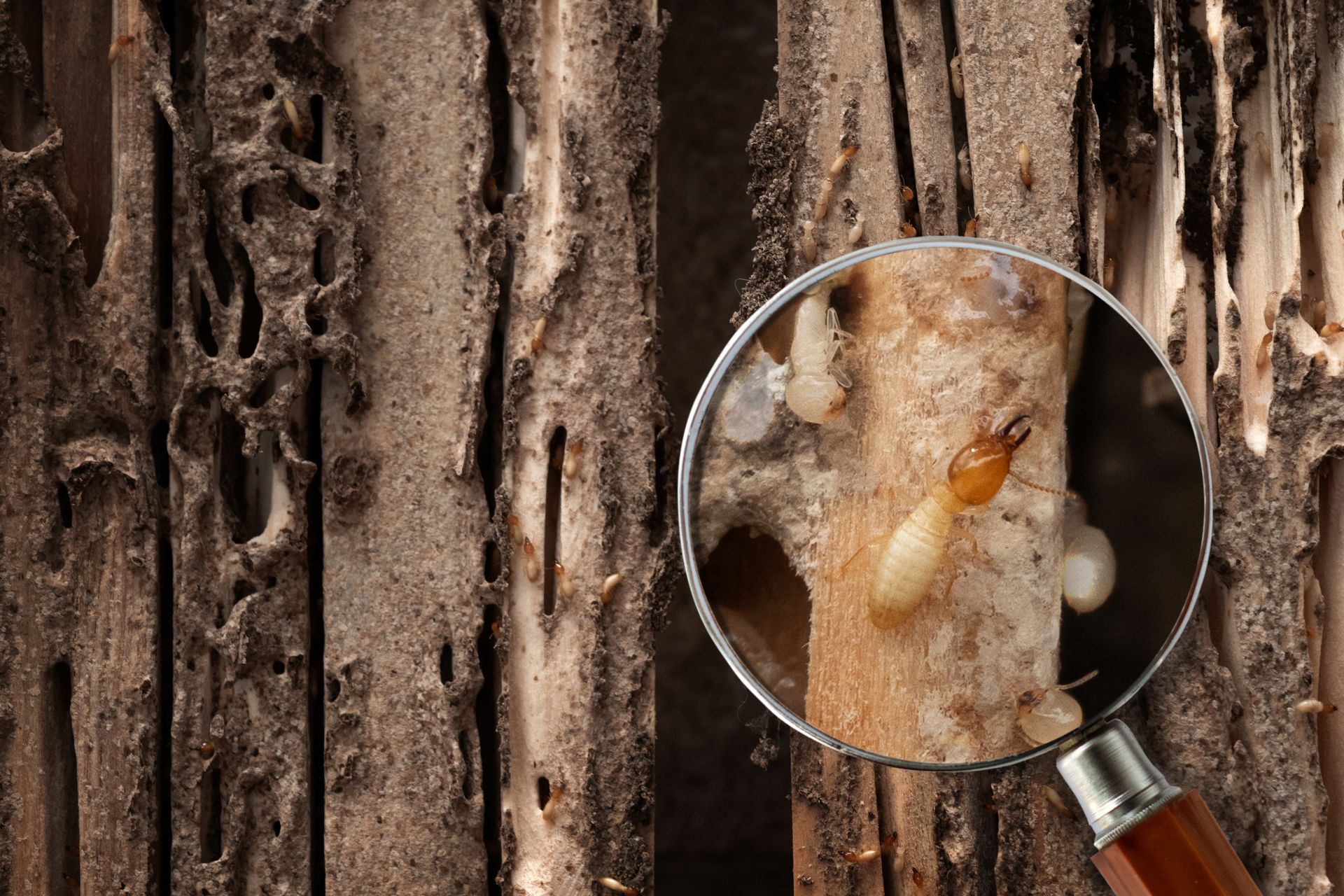
Eddyville’s mix of seasonal humidity, rainfall, and soil conditions creates an ideal environment for subterranean termites. These pests feed on wood from the inside out, weakening support beams, flooring, and foundations over time. Homes, rental properties, barns, and outbuildings are all at risk. Without scheduled termite control treatment in Eddyville, KY, infestations can spread unnoticed for months or even years. Early intervention significantly reduces repair costs and limits disruption to daily life or business operations.Common Early Warning Signs of Termite Activity
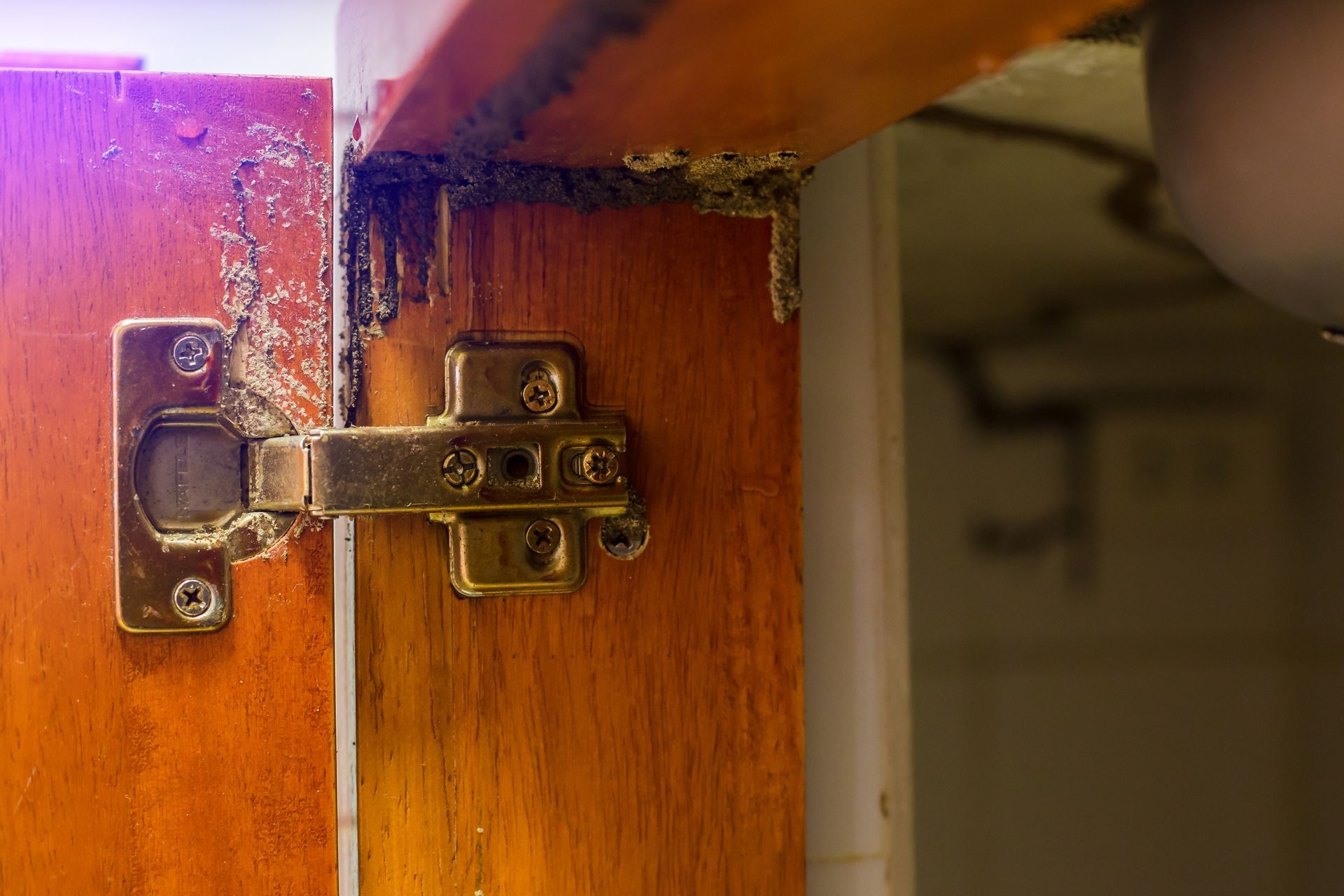
One of the most effective ways to determine when to schedule termite control in Eddyville, KY, is recognizing early warning signs. These indicators often appear subtle but should never be ignored.- Mud tubes along foundations or crawl spaces
- Discarded wings near windows or doors
- Hollow-sounding wood when tapped
- Tight-fitting doors or windows caused by structural shifting
- Small piles of wood-colored debris
Seasonal Risk Factors for Termite Control in Eddyville, KY
Extended periods of rainfall and fluctuating temperatures in Eddyville can significantly increase termite activity, particularly in properties with poor drainage or crawl spaces. Moist soil creates ideal conditions for subterranean termites to build and expand colonies, often accelerating damage during wet seasons. Understanding seasonal termite behavior helps homeowners plan termite control treatment in Eddyville, KY, more effectively.Spring and Early Summer
This is peak termite swarm season. Winged termites emerge to establish new colonies, making spring an ideal time for inspections and preventative treatments.Late Summer and Fall
Although swarming slows, termites remain active underground. Fall treatments help eliminate colonies before winter, reducing ongoing damage.Winter
Termites burrow deeper but do not disappear. Winter inspections are still valuable, especially for properties with past infestations or moisture issues.Scheduling termite control before peak activity ensures stronger protection year-round.
When Homeowners Should Schedule Termite Inspections
Regular inspections are the foundation of effective termite control treatment in Eddyville, KY.Homeowners should consider scheduling an inspection:
- Annually, as part of routine home maintenance
- Before buying or selling a home
- After heavy rainfall or flooding
- When completing renovations or additions
- If neighboring properties experience infestations
Termite Control Timing for Property Managers and Landlords
Rental properties face a higher risk due to frequent occupancy changes and delayed reporting of issues. Proactive termite control in Eddyville, KY, protects investments and helps maintain safe living environments for tenants.Property managers benefit from scheduled inspections between leases and seasonal termite control treatment to prevent infestations from spreading across multiple units. Consistent monitoring also supports compliance with maintenance standards and reduces liability.
Why Rural and Farm Properties Require Extra Attention
Farmers and rural landowners often have additional termite exposure due to fencing, barns, sheds, and wood-to-soil contact. These conditions make routine termite control in Eddyville, KY, especially important.Outbuildings may show signs of infestation first, acting as an early warning for nearby homes. Regular inspections across the entire property ensure termites don’t migrate unnoticed.
Preventive Termite Control vs. Reactive Treatment
Preventative termite control treatment focuses on stopping infestations before they begin. This approach includes barrier treatments, soil applications, and scheduled inspections. Reactive treatment, on the other hand, occurs after damage is discovered. While effective, it often requires more extensive work and higher costs. Scheduling termite control in Eddyville, KY, early allows homeowners to stay ahead of infestations instead of chasing them.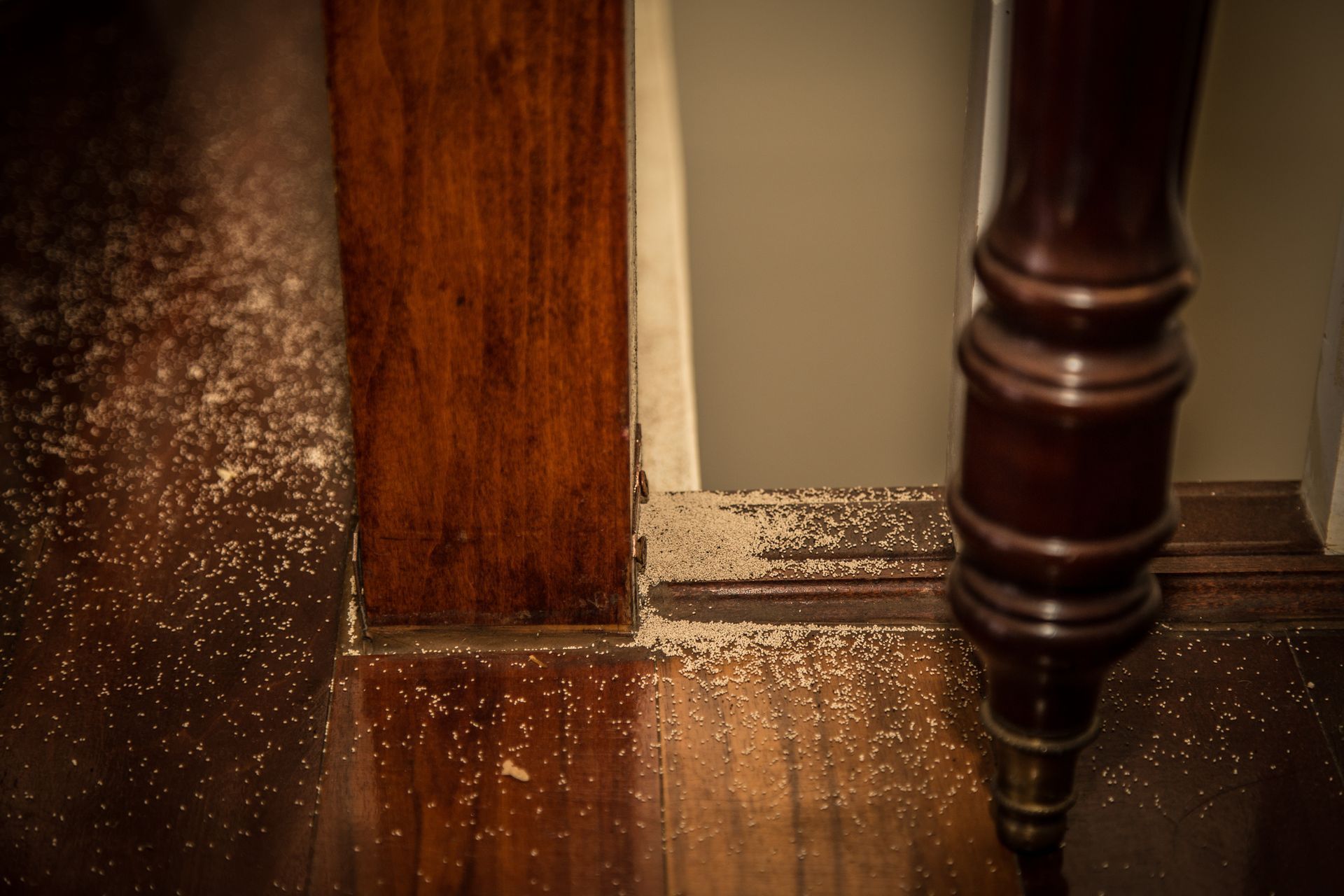
Why Professional Timing Matters for Long-Term Protection
Professional termite control in Eddyville, KY, isn’t just about applying treatment—it’s about timing it correctly. Licensed technicians understand local termite patterns, soil conditions, and construction styles that influence infestation risk. Properly timed termite control treatment ensures chemicals are most effective, colonies are eliminated completely, and reinfestation risks are minimized.Protect Your Property With Trusted Termite Control in Eddyville, KY.
Don’t wait until termites cause irreversible damage. Pass Pest Control provides reliable termite control in Eddyville, KY, helping homeowners and property managers schedule inspections and treatments at the right time. Whether you’re protecting a family home, rental property, or rural land, proactive care makes all the difference.Call Pass Pest Control today at (270) 477-6695 to schedule your termite control treatment and safeguard your investment with confidence.

Commonly when the weather starts to cool many insects and rodents in Evansville begin to make their journey to shelter to survive the winter. In the wild, that may be a hollow tree, bark of a tree, leaf litter or other type of natural shelter.
Liquid termite control in Jasper, IN? Learn which treatment may suit your home. Pass Pest Control offers effective solutions. Contact us today!
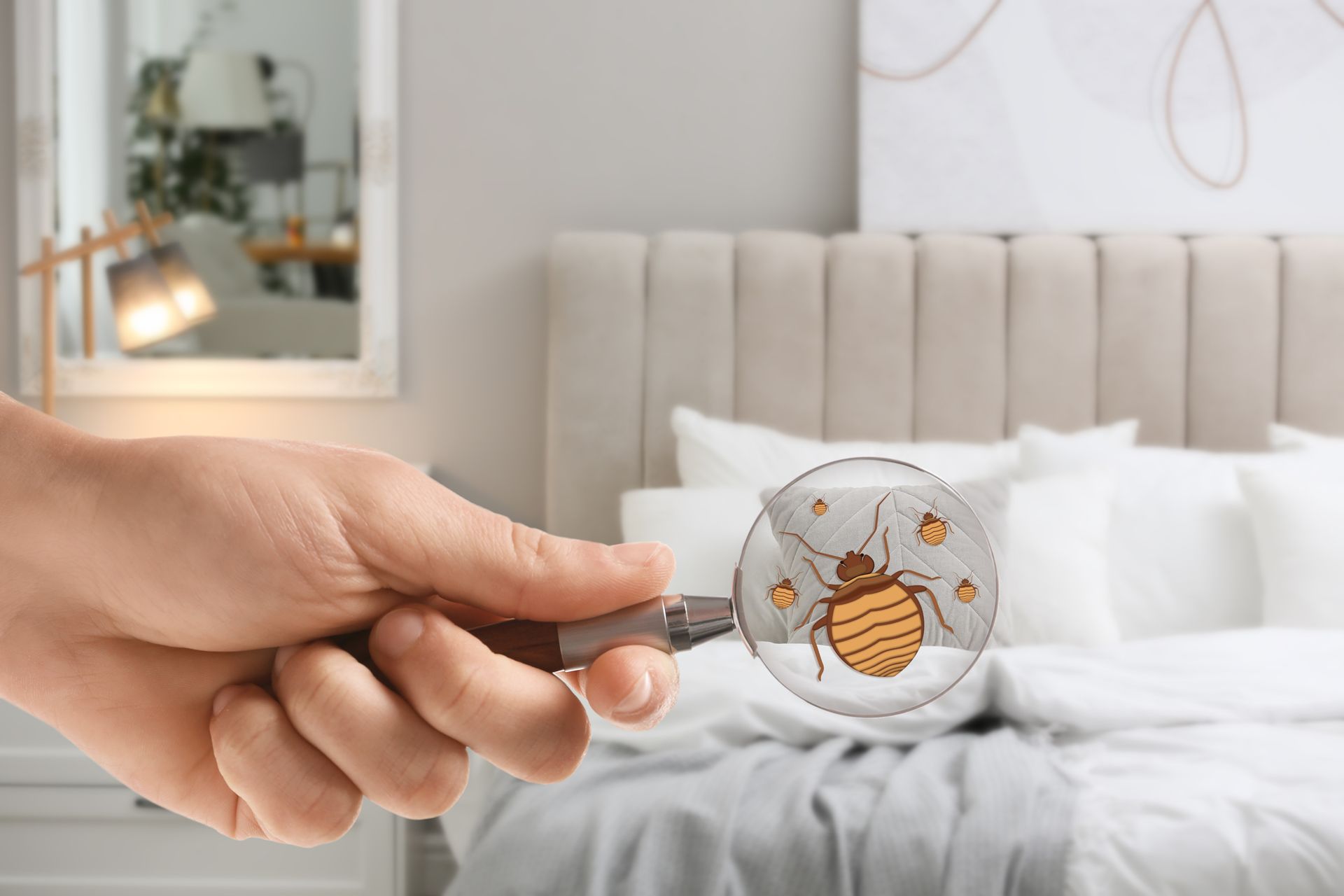
Bed bugs are small, parasitic blood feeding insects that can a comfortable home into a very unpleasant residence. Although they are not known to transmit diseases to people, their bites can cause itching and irritation, and an infestation can be difficult to correct without a complete application. However, in larger infestations the problem can cause open wounds due to scratching that can become infected. What are Bed Bugs? Bed bugs are small, dark brown insects that feed on blood. Adult bed bugs are about the size of apple seed where younger bed bugs are about the size of a grape seed and lighter in color. They are compact insects, allowing them to hide in cracks and crevices that are about the width of a dime. Despite their name, bed bugs aren’t limited to beds. They can hide in mattresses, box springs, bed frames, couches, chairs, carpets, cracks and other areas where individuals might rest. How to Identify Them? Bed Bugs can be difficult to spot because they are good at concealing themselves. Most common indications of an infestation are: Blood stains on bedding and mattresss Small dark spots indicating bed bug droppings Small eggs or cast skins Active bedbugs around tufts in the mattress, couches, chairs and cracks and crevices Red bites that occur in lines Where do they originate from? Bed bugs are excellent travelers. Bedbugs have a claw like hook similar to a tick which makes them the ultimate hitchhiker. They can enter a home through luggage, clothing, used furniture, bedding, and other personal belongings. They may also spread between rooms or apartments through cracks and other openings as well as person to person. How do you eliminate bed bugs? A few steps to take reduce your exposure to bed bugs: Inspect used furniture before you place it into the home. Use caution when traveling- inspect head boards, mattresses and all hotel furnishing before removing your items from your suitcase. Carefully check contents of luggage when returning home. Keep rooms organized which will make inspection easier in case of infestation. If you are suspicious of an item treat it for bedbugs before you place it into your home What Do I Do if I Find Bedbugs? Don’t discard of your furniture. Moving the items around can spread the infestation and make the problem worse. Start by carefully inspecting the area where bedbugs were observed. Wash and dry bedding on the highest setting available. Vacuuming is a valuable tool in helping to control infestations but can’t eliminate bedbugs on its own. Bed bugs can conceal themselves in cracks and crevices. Professional pest management may be necessary if the infestations is well established. What to Do? Bed bugs are an unpleasant, but they are a manageable pest problem. Early detection makes treatment easier. If you suspect and problem, inspect carefully, avoid spreading potentially infested belongings and consider contacting a qualified pest control professional for an appropriate treatment plan. If you are experiencing a reoccurring bed bug problem it is likely that you are coming into contact with an infected person or infested item. The key is to act in an organized manner rather than relying on a single treatment for moving to another room. With careful inspection and the correct treatment protocol bed bugs can be eliminated. There are many types of treatments for bedbugs and all of them work to a certain extent depending on the level of infestation and the condition of the home being treated. Heat is a very common way to control bedbugs but it only has about an 80 percent success rate. High clutter and easy avenues to avoid heat impact the ability of heat treatments to be successful. Temperatures have to be maintained at a level of 140 degrees or higher for at least three hours to see optimum results. Uncontrolled heat applications that maintain heat at 150 degrees for higher can result in serious damage to furniture, wiring and belongings. Chemical applications tend to perform very well in small to medium infestations but are challenged by aggressive, more populated bed bug infestations. Cryogenic applications do an excellent job of killing bedbugs on contact but do very little in controlling hidden infestations and leave no chemical residual for long term control. Fumigation is likely the most reliable method. Performed at the proper dosage rate a variety of insects and rodents can be eliminated with fumigation. However, fumigation tends to be more expensive that other applications and leaves no residual as chemical applications will.
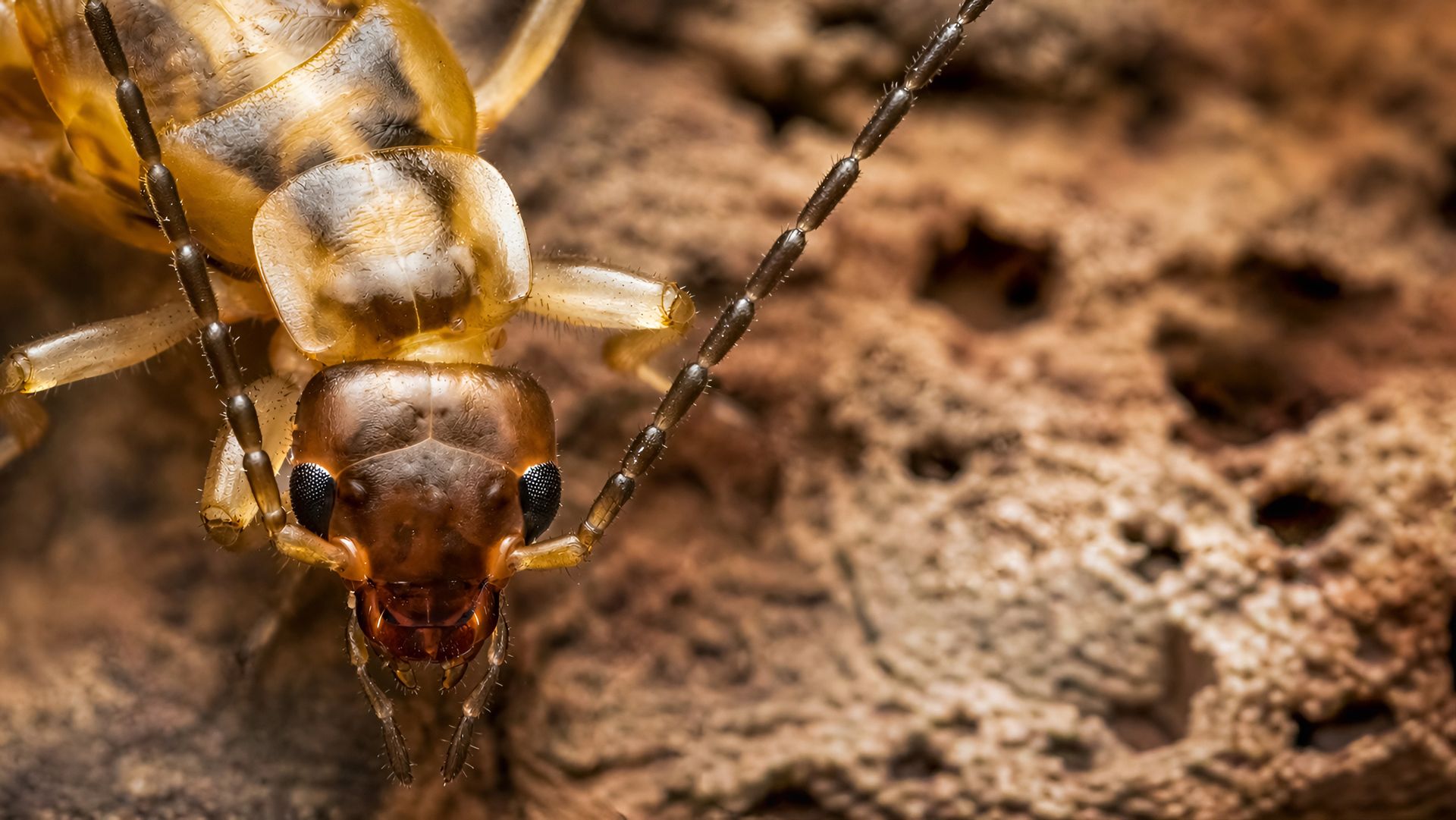
Get expert termite control treatment in Eddyville, KY from Pass Pest Control. Effective solutions, free inspections. Call (270) 477-6695 today!
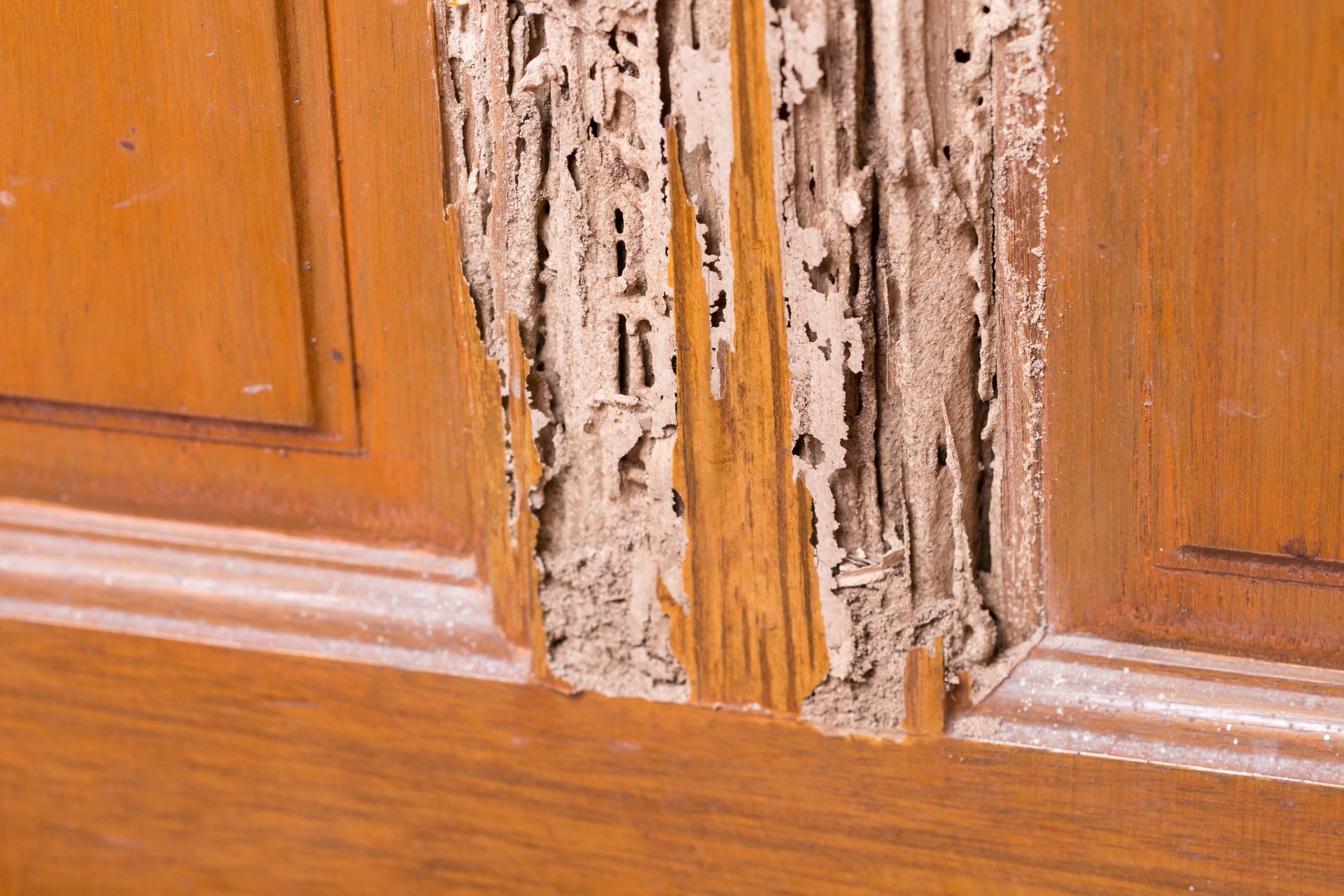
Spot hidden termite damage early. Pass Pest Control provides effective termite control serving Jasper, IN. Free inspections available. Call today.
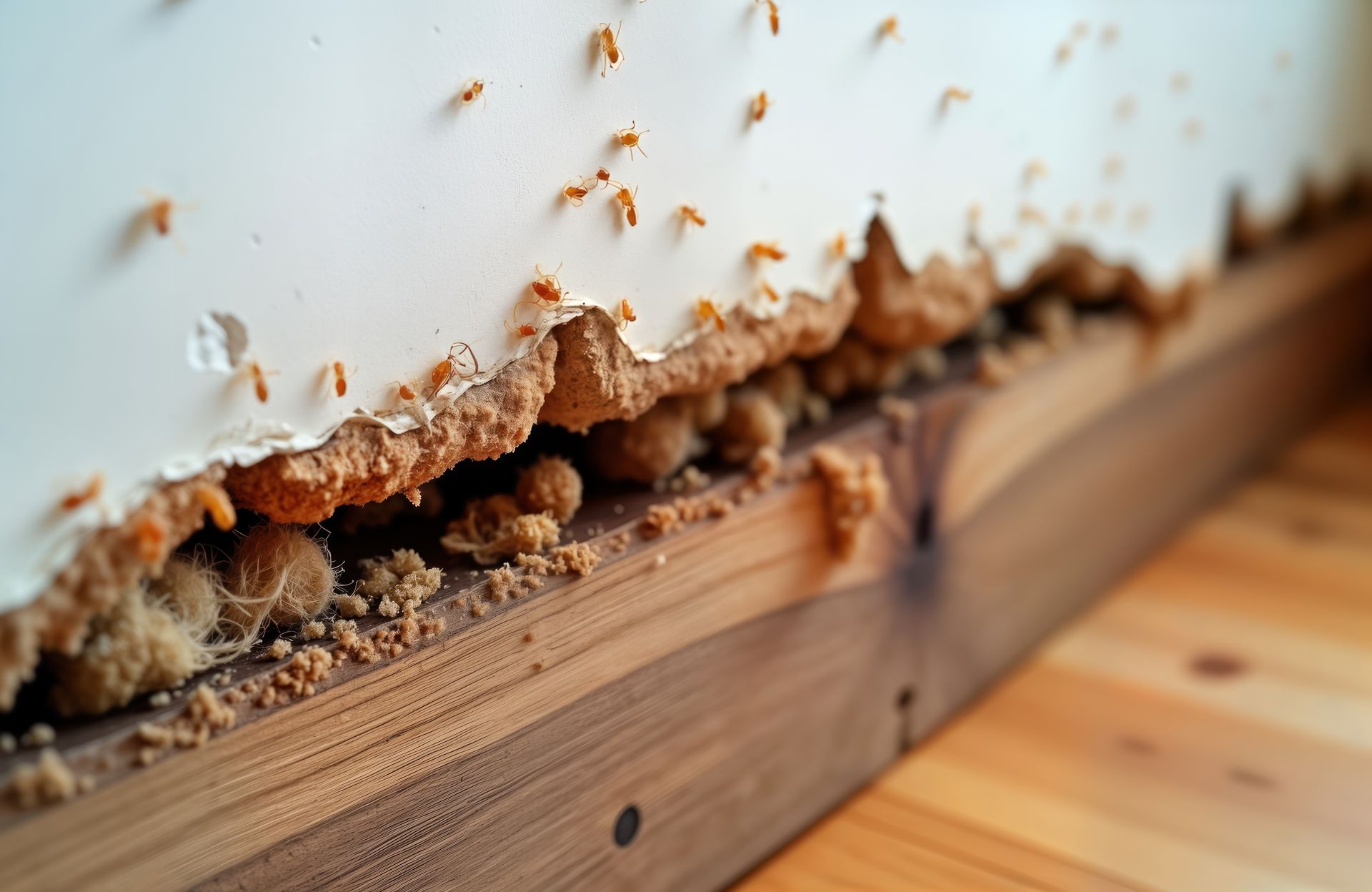
Protect your Jasper, IN home with professional termite control from Pass Pest. Inspections, soil barrier treatments & annual check-ups. Call today!
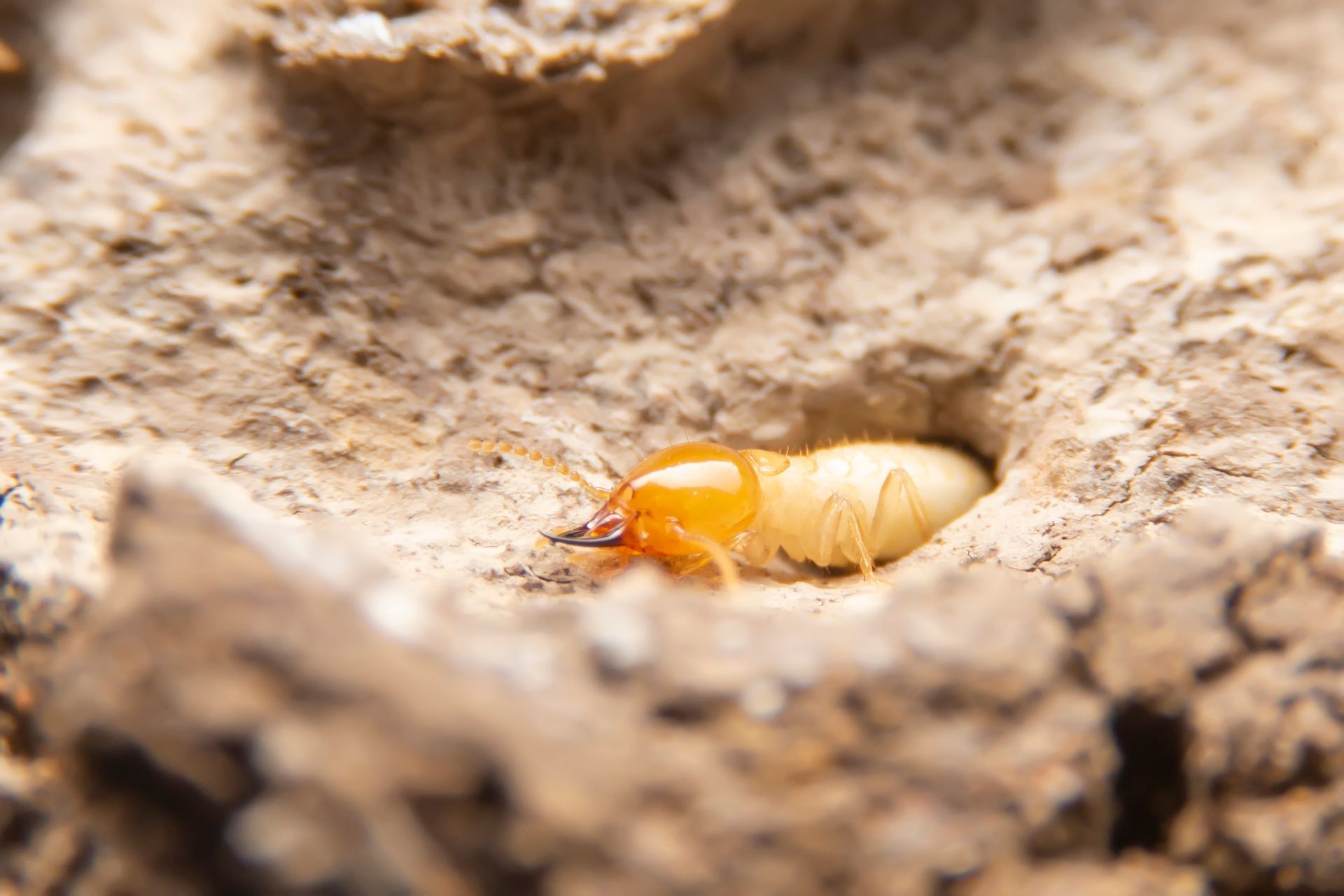
Explore termite control in Jasper, IN, with Pass Pest Control. Learn about local seasonal risks and effective solutions. Click here for expert help!

Discover essential termite control in Tell City, IN! Follow our preventative tips to safeguard your home. Click to rad more from Pass Pest Control now.
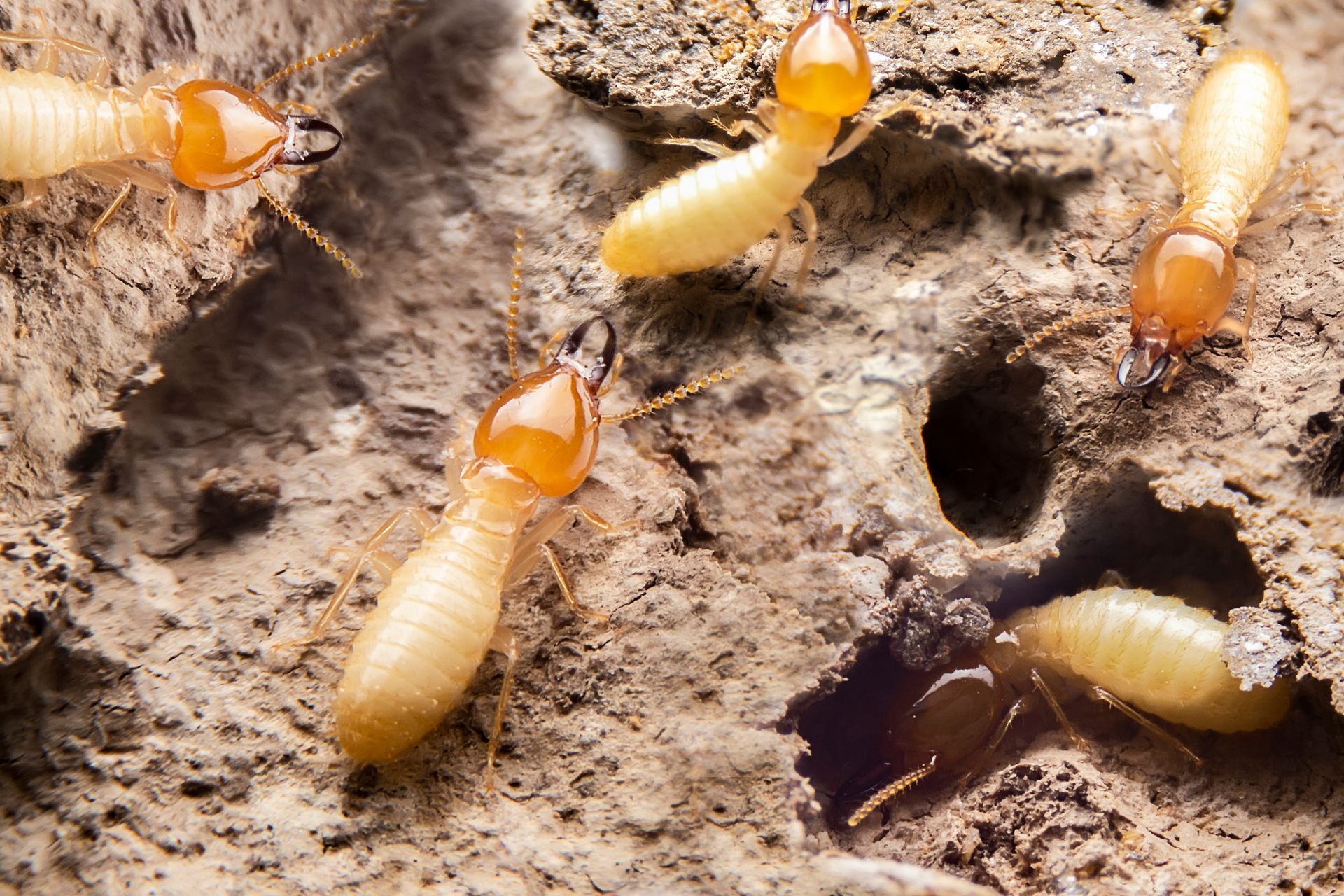
Discover when to schedule termite control treatment in Jasper, IN. Click here to protect your home today with Pass Pest Control's professional tips!
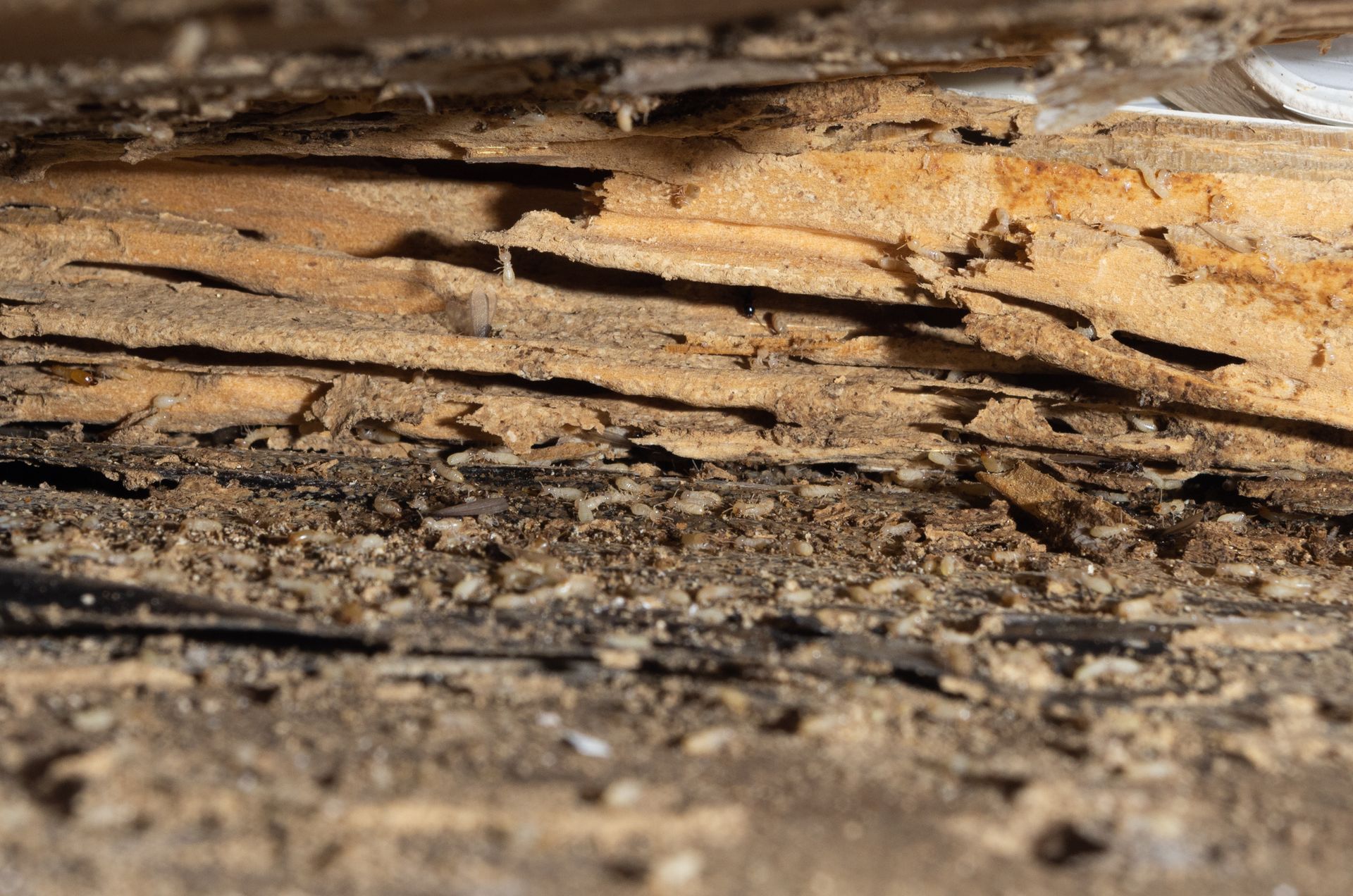
Protect your home with termite control treatment in Tell City, IN from Pass Pest Control. Call (270) 925-3323 today to schedule an inspection.