Bait Stations vs. Liquid Termite Control Treatment: Which Is Right for Your Home in Jasper, IN?
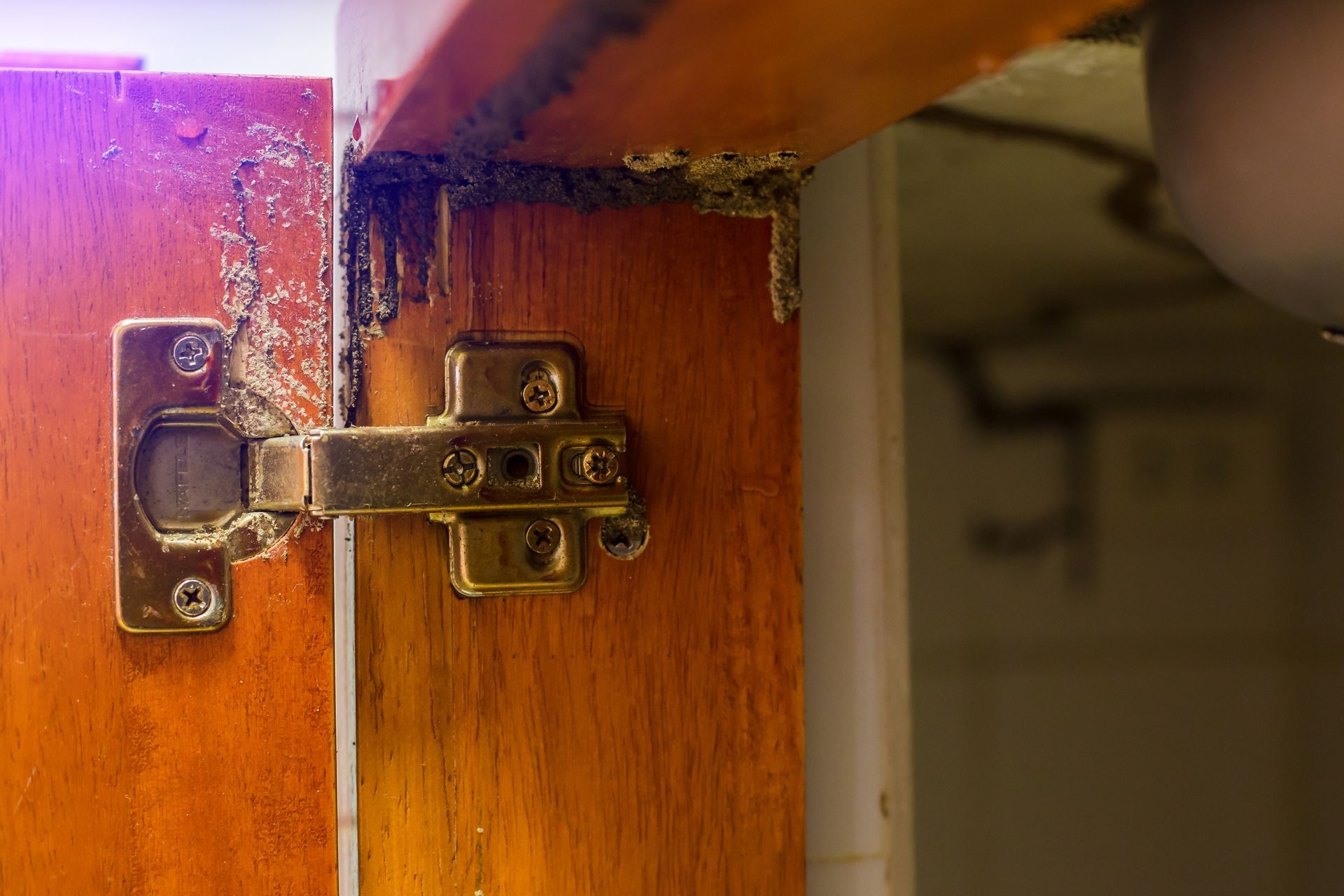
Homeowners face a real decision when termites are discovered: which treatment approach is best suited to protect their home? This article breaks down how bait stations and liquid termite control in Jasper, IN, methods work, what sets them apart, and why the right choice depends on factors specific to your property. Understanding your options is the first step toward an effective termite solution for any homeowner in Dubois County and the surrounding southern Indiana region.
Jasper, IN, sits in a part of the state where termite pressure is a well-documented concern. Subterranean termites are the dominant species in this region, and they thrive in the moist, clay-heavy soil common throughout southern Indiana. Warm, humid summers combined with relatively mild winters create favorable conditions for colonies to remain active well into the fall season. Older wood-frame homes along the Ohio River corridor and the brick-and-frame construction typical of Jasper, IN, neighborhoods both present access points that subterranean termites can exploit through foundation cracks, expansion joints, and plumbing penetrations.
How Do Bait Stations Work?
Bait stations offer a gradual, colony-targeting approach to termite control. Stations are installed in the ground around the perimeter of a home at intervals. Each station holds a cellulose material laced with a slow-acting insecticide. When worker termites find the stations, they feed on the bait and carry it back to their colony. Because the active ingredient disrupts the molting process, termites cannot grow or develop normally, and the colony declines over time. This process can take 90 days or longer before a full colony collapse occurs.
One appeal of bait systems is that they require minimal soil disturbance at installation. However, their effectiveness depends on termites discovering the stations on their own, which is not guaranteed. In active infestations, termites may continue feeding on structural wood while the colony is still being affected. Bait systems also typically require regular professional service visits to check station activity and replenish bait as needed. Annual inspections are standard practice to maintain coverage.
How Does Liquid Termite Treatment Work?
Liquid termite treatment creates a continuous chemical barrier in the soil around and under a home's foundation. A licensed technician applies a non-repellent termiticide to the soil by trenching along the perimeter and, when necessary, drilling through concrete slabs or foundations to treat soil beneath. Because the product is non-repellent, termites cannot detect it. They pass through the treated termite control zone, pick up the active ingredient, and transfer it to nestmates through normal colony contact. This means the treatment may affect the broader colony, not just the termites that first encounter it.
Liquid treatments can begin interrupting termite activity relatively soon after application. Protection can last five to ten years depending on soil conditions, rainfall, and the specific product used. Annual inspections remain important to confirm barrier integrity and catch any new activity early.
Comparing the Two Approaches
The right approach often comes down to property type, construction, infestation severity, and site-specific conditions. Here is a general comparison to help guide your thinking.
Bait stations work by having termites carry bait back to the colony, taking 90 or more days for full effect, and they require minimal soil disruption but regular station checks; they suit monitoring-based programs and preventative use, targeting the colony gradually over time. Liquid treatment, by contrast, creates a treated soil barrier that stops termites at entry points and begins interrupting activity relatively soon after termite control application, though it requires trenching along the foundation and annual inspections; it is best suited for active infestations, slab homes, and crawl space structures, where the transfer effect may reach the broader colony.
Which Approach Suits Southern Indiana Homes?
The construction styles common in the Jasper, IN, area, including homes with crawl spaces, slab-on-grade foundations, and older wood-frame structures, can influence which treatment method may be most appropriate. Crawl space homes and those with poured concrete foundations often respond well to liquid applications because the perimeter treatment can be applied thoroughly along the full foundation line. Homes with existing moisture issues in crawl spaces may also have elevated termite pressure, making a soil barrier treatment a practical choice for immediate protection.
Bait station programs may play a useful role in monitoring adjacent properties, especially for newer construction or homes in lower-risk areas where the goal is prevention rather than active elimination. Consulting a professional about termite control options early can help homeowners avoid more extensive damage down the road.
When Might a Combined Approach Be Considered?
Some situations may call for a layered strategy. If a home has a particularly complex footprint, additions with multiple foundation types, or evidence of termite activity in several separate locations, a professional inspection can help determine whether elements of both approaches may offer the most comprehensive coverage. Treatment methods may vary based on factors observed on-site, including soil conditions, construction type, and the extent of any existing damage. No two properties are identical, and a cookie-cutter solution is rarely the most effective one.
The signs most commonly associated with subterranean termite activity in the Jasper, IN, area include mud tubes along foundation walls, hollow-sounding wood, discarded wings near windows or doors, and bubbling or peeling paint that may mimic water damage. If any of these appear in your home, acting promptly can reduce the scope of necessary treatment.
Ready to Protect Your Home? Contact Pass Pest Control Today
Effective termite control starts with a thorough inspection. Pass Pest Control provides professional termite treatment
with customized plans based on your property's actual conditions. Treatments may vary depending on what technicians find during the inspection, which means you receive a solution matched to your home rather than a generic program.
Call (270) 925-3323
or (270) 477-6695
to schedule your free evaluation, or contact us online
to get started. You can also find and review Pass Pest Control
on Google to see what other homeowners have experienced.
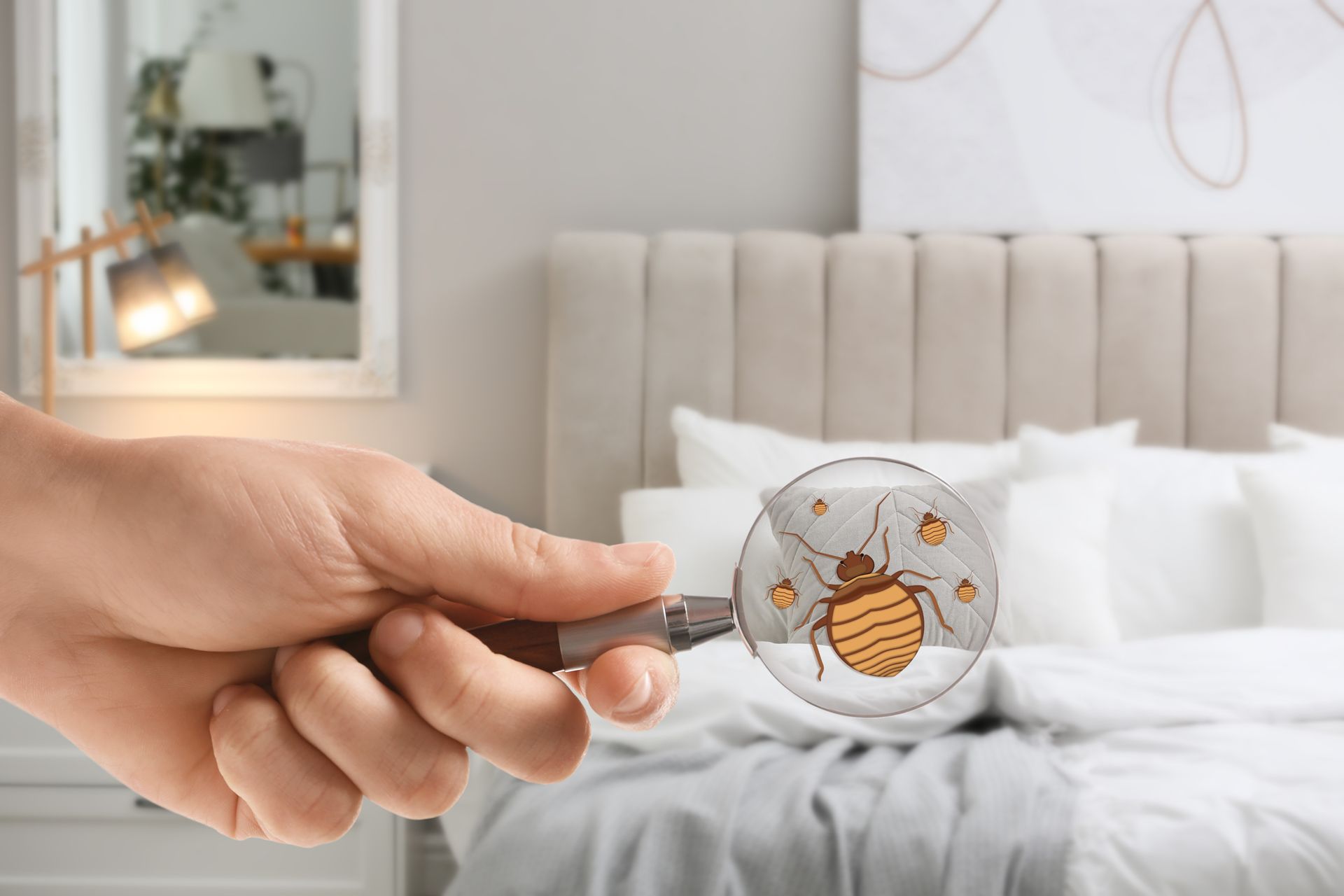
Bed bugs are small, parasitic blood feeding insects that can a comfortable home into a very unpleasant residence. Although they are not known to transmit diseases to people, their bites can cause itching and irritation, and an infestation can be difficult to correct without a complete application. However, in larger infestations the problem can cause open wounds due to scratching that can become infected. What are Bed Bugs? Bed bugs are small, dark brown insects that feed on blood. Adult bed bugs are about the size of apple seed where younger bed bugs are about the size of a grape seed and lighter in color. They are compact insects, allowing them to hide in cracks and crevices that are about the width of a dime. Despite their name, bed bugs aren’t limited to beds. They can hide in mattresses, box springs, bed frames, couches, chairs, carpets, cracks and other areas where individuals might rest. How to Identify Them? Bed Bugs can be difficult to spot because they are good at concealing themselves. Most common indications of an infestation are: Blood stains on bedding and mattresss Small dark spots indicating bed bug droppings Small eggs or cast skins Active bedbugs around tufts in the mattress, couches, chairs and cracks and crevices Red bites that occur in lines Where do they originate from? Bed bugs are excellent travelers. Bedbugs have a claw like hook similar to a tick which makes them the ultimate hitchhiker. They can enter a home through luggage, clothing, used furniture, bedding, and other personal belongings. They may also spread between rooms or apartments through cracks and other openings as well as person to person. How do you eliminate bed bugs? A few steps to take reduce your exposure to bed bugs: Inspect used furniture before you place it into the home. Use caution when traveling- inspect head boards, mattresses and all hotel furnishing before removing your items from your suitcase. Carefully check contents of luggage when returning home. Keep rooms organized which will make inspection easier in case of infestation. If you are suspicious of an item treat it for bedbugs before you place it into your home What Do I Do if I Find Bedbugs? Don’t discard of your furniture. Moving the items around can spread the infestation and make the problem worse. Start by carefully inspecting the area where bedbugs were observed. Wash and dry bedding on the highest setting available. Vacuuming is a valuable tool in helping to control infestations but can’t eliminate bedbugs on its own. Bed bugs can conceal themselves in cracks and crevices. Professional pest management may be necessary if the infestations is well established. What to Do? Bed bugs are an unpleasant, but they are a manageable pest problem. Early detection makes treatment easier. If you suspect and problem, inspect carefully, avoid spreading potentially infested belongings and consider contacting a qualified pest control professional for an appropriate treatment plan. If you are experiencing a reoccurring bed bug problem it is likely that you are coming into contact with an infected person or infested item. The key is to act in an organized manner rather than relying on a single treatment for moving to another room. With careful inspection and the correct treatment protocol bed bugs can be eliminated. There are many types of treatments for bedbugs and all of them work to a certain extent depending on the level of infestation and the condition of the home being treated. Heat is a very common way to control bedbugs but it only has about an 80 percent success rate. High clutter and easy avenues to avoid heat impact the ability of heat treatments to be successful. Temperatures have to be maintained at a level of 140 degrees or higher for at least three hours to see optimum results. Uncontrolled heat applications that maintain heat at 150 degrees for higher can result in serious damage to furniture, wiring and belongings. Chemical applications tend to perform very well in small to medium infestations but are challenged by aggressive, more populated bed bug infestations. Cryogenic applications do an excellent job of killing bedbugs on contact but do very little in controlling hidden infestations and leave no chemical residual for long term control. Fumigation is likely the most reliable method. Performed at the proper dosage rate a variety of insects and rodents can be eliminated with fumigation. However, fumigation tends to be more expensive that other applications and leaves no residual as chemical applications will.
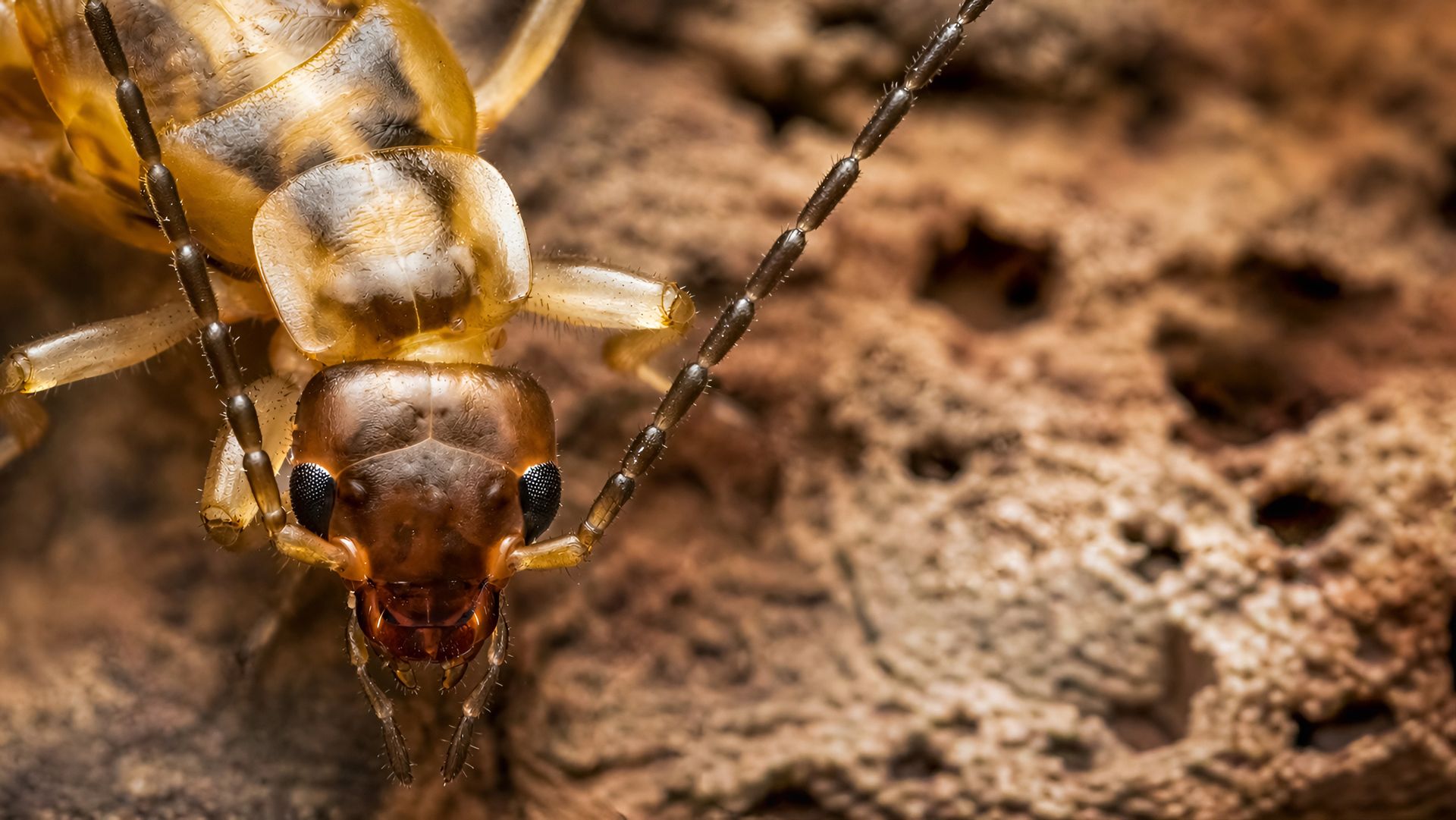
Get expert termite control treatment in Eddyville, KY from Pass Pest Control. Effective solutions, free inspections. Call (270) 477-6695 today!
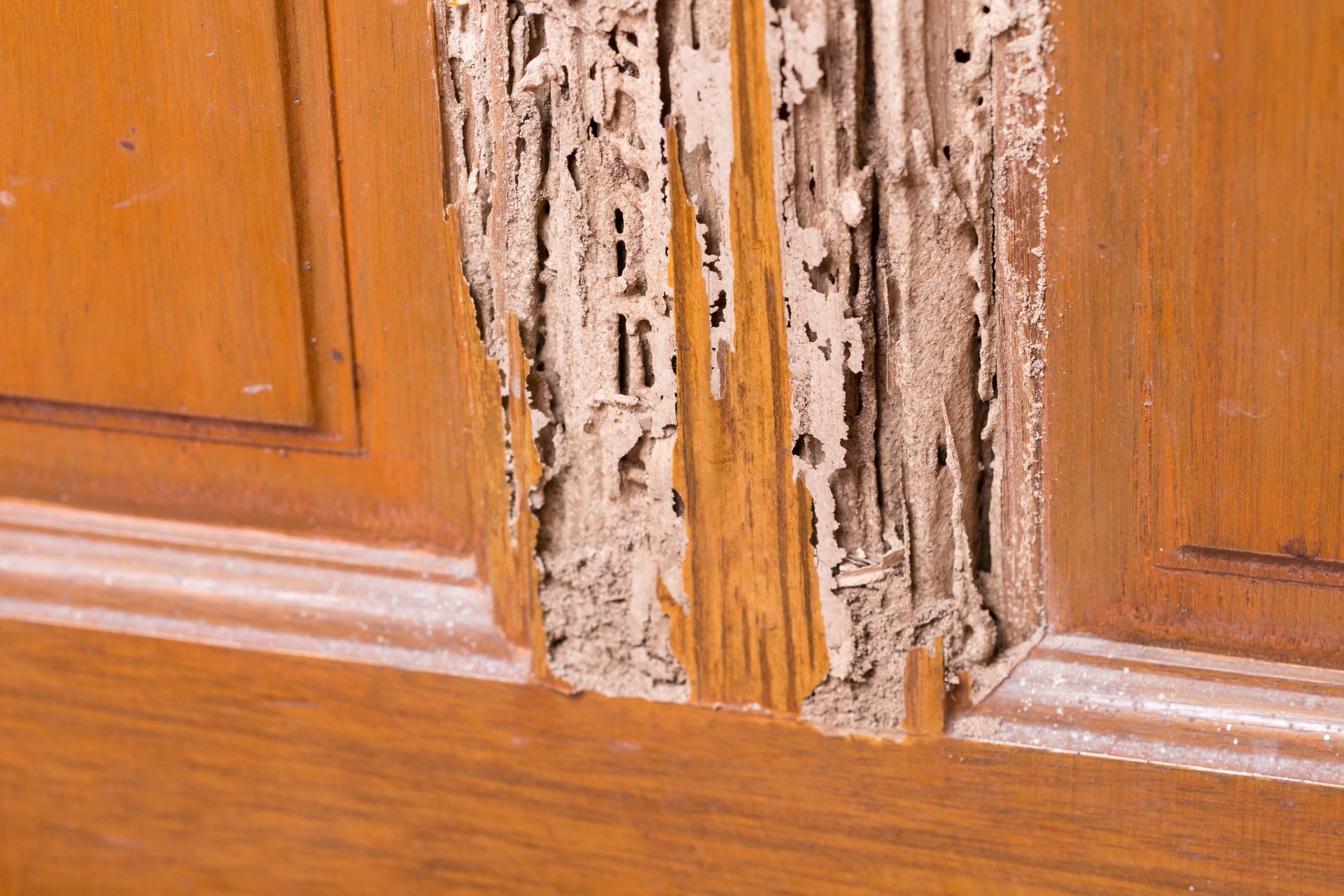
Spot hidden termite damage early. Pass Pest Control provides effective termite control serving Jasper, IN. Free inspections available. Call today.
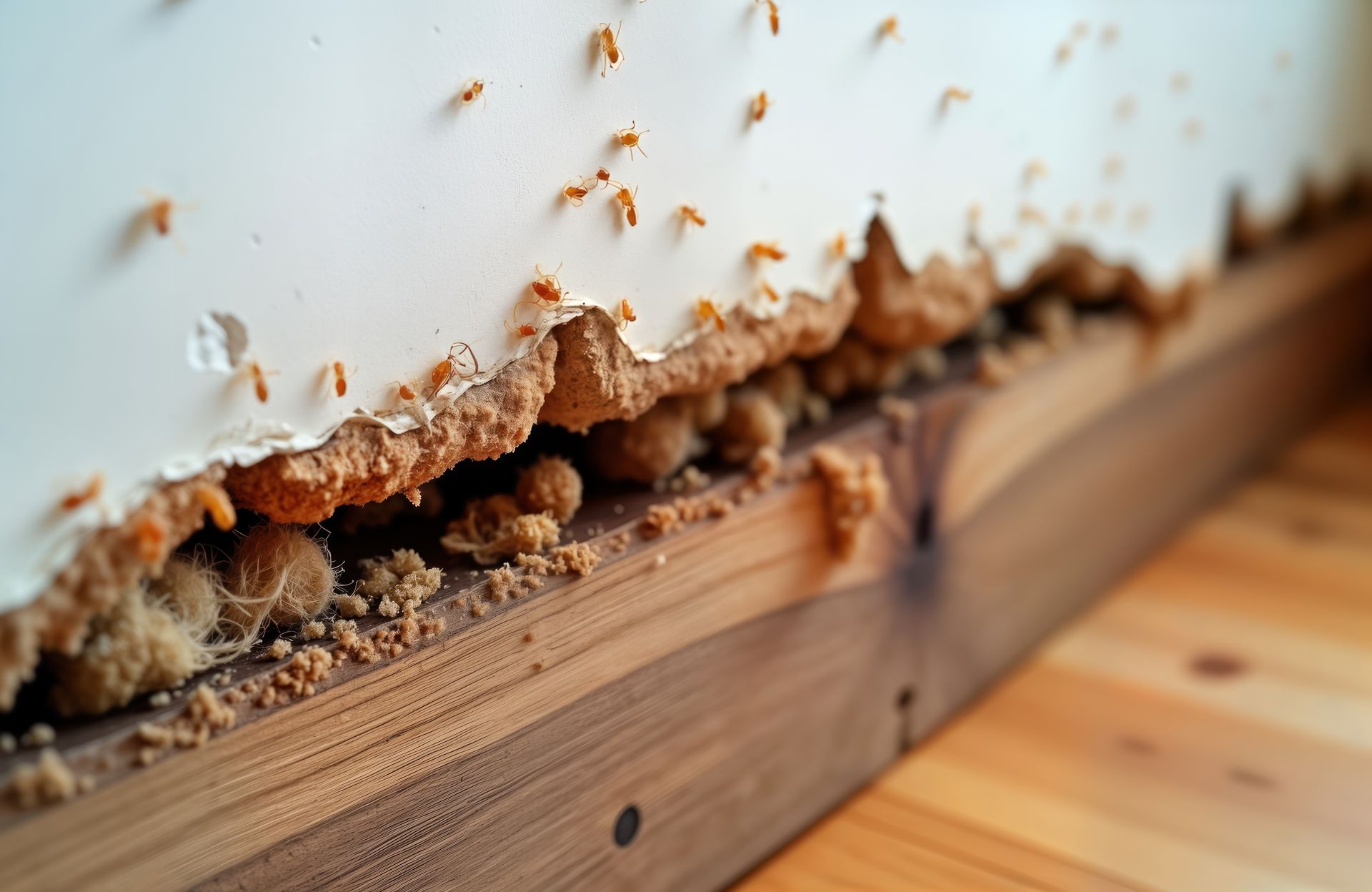
Protect your Jasper, IN home with professional termite control from Pass Pest. Inspections, soil barrier treatments & annual check-ups. Call today!
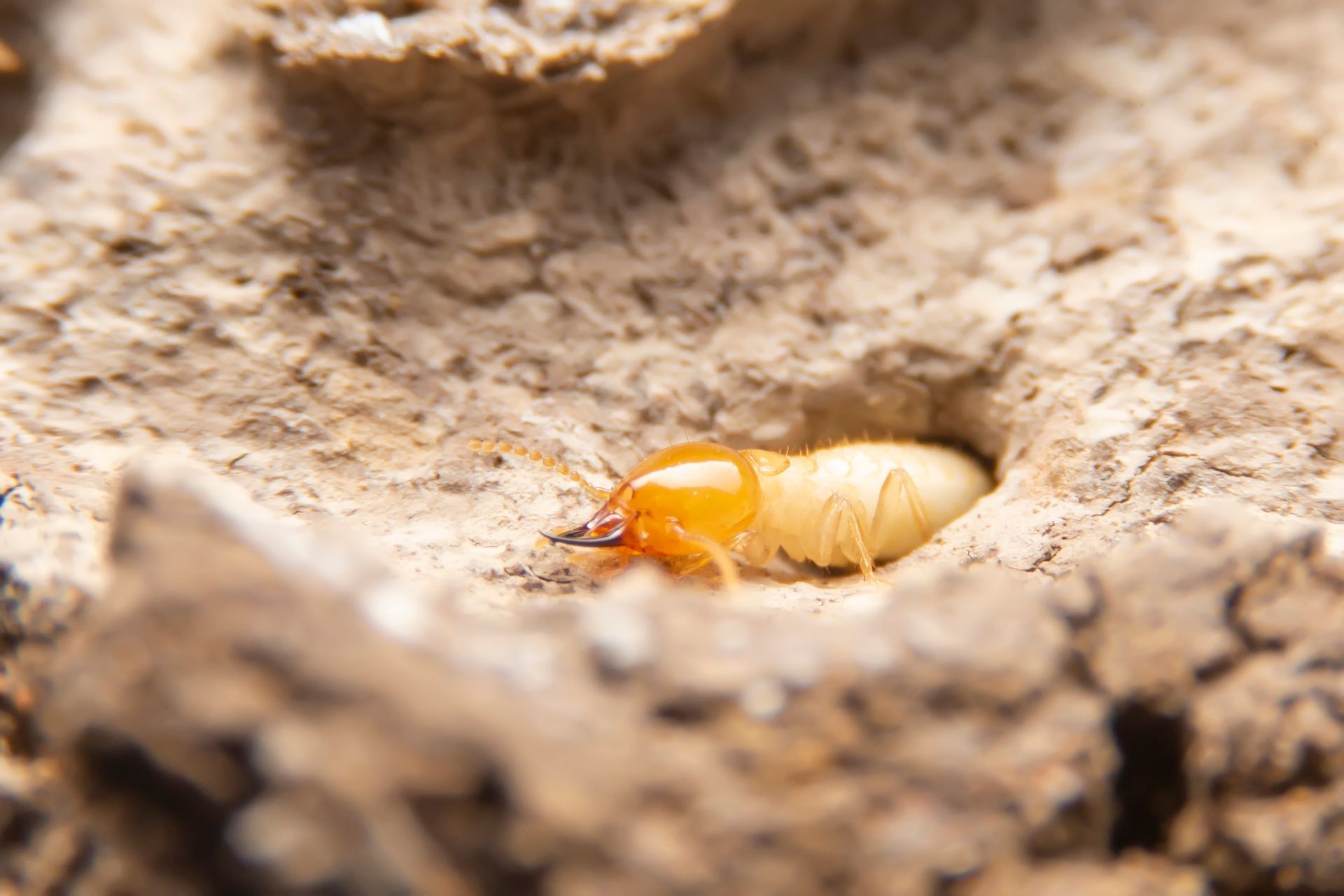
Explore termite control in Jasper, IN, with Pass Pest Control. Learn about local seasonal risks and effective solutions. Click here for expert help!

Discover essential termite control in Tell City, IN! Follow our preventative tips to safeguard your home. Click to rad more from Pass Pest Control now.
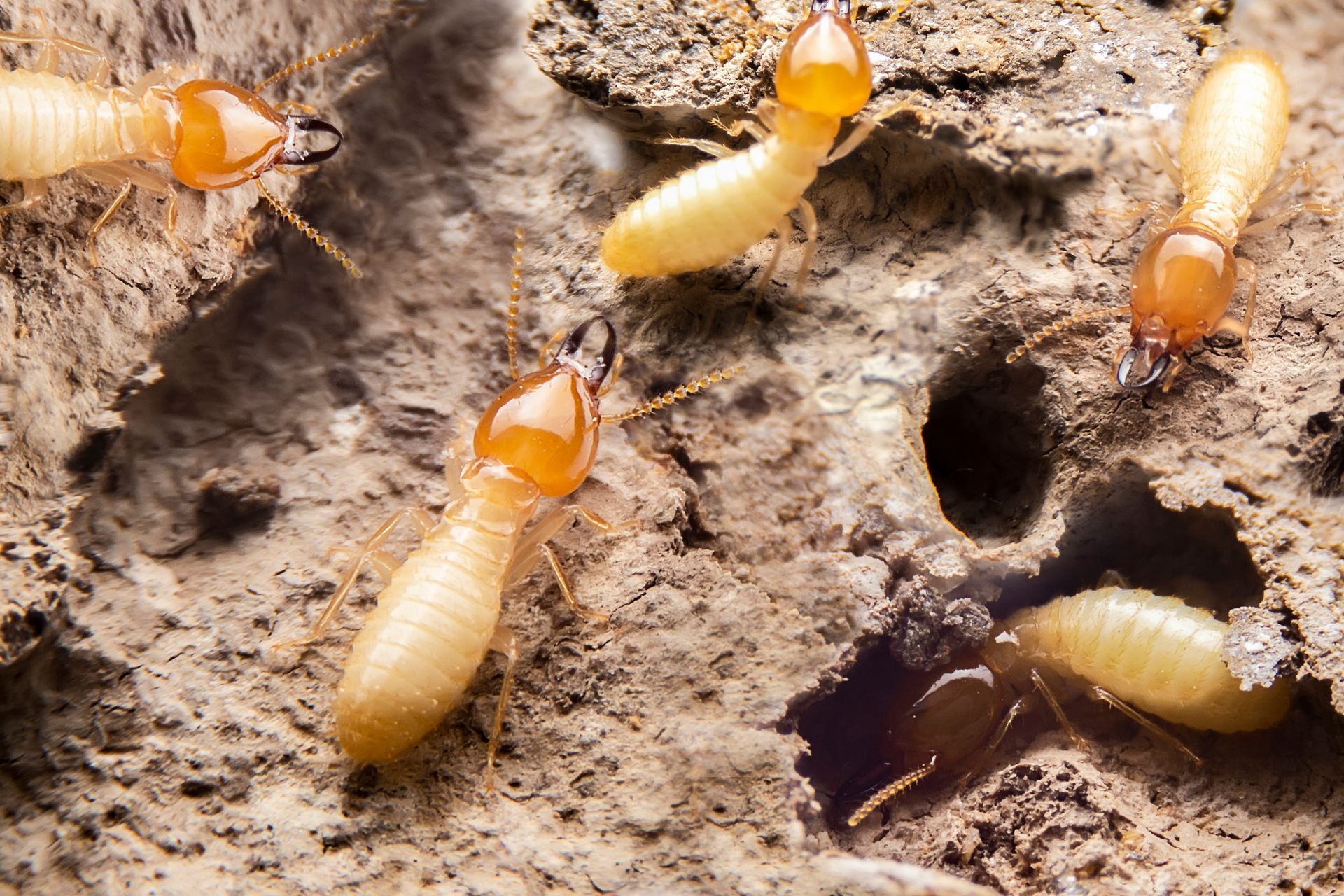
Discover when to schedule termite control treatment in Jasper, IN. Click here to protect your home today with Pass Pest Control's professional tips!
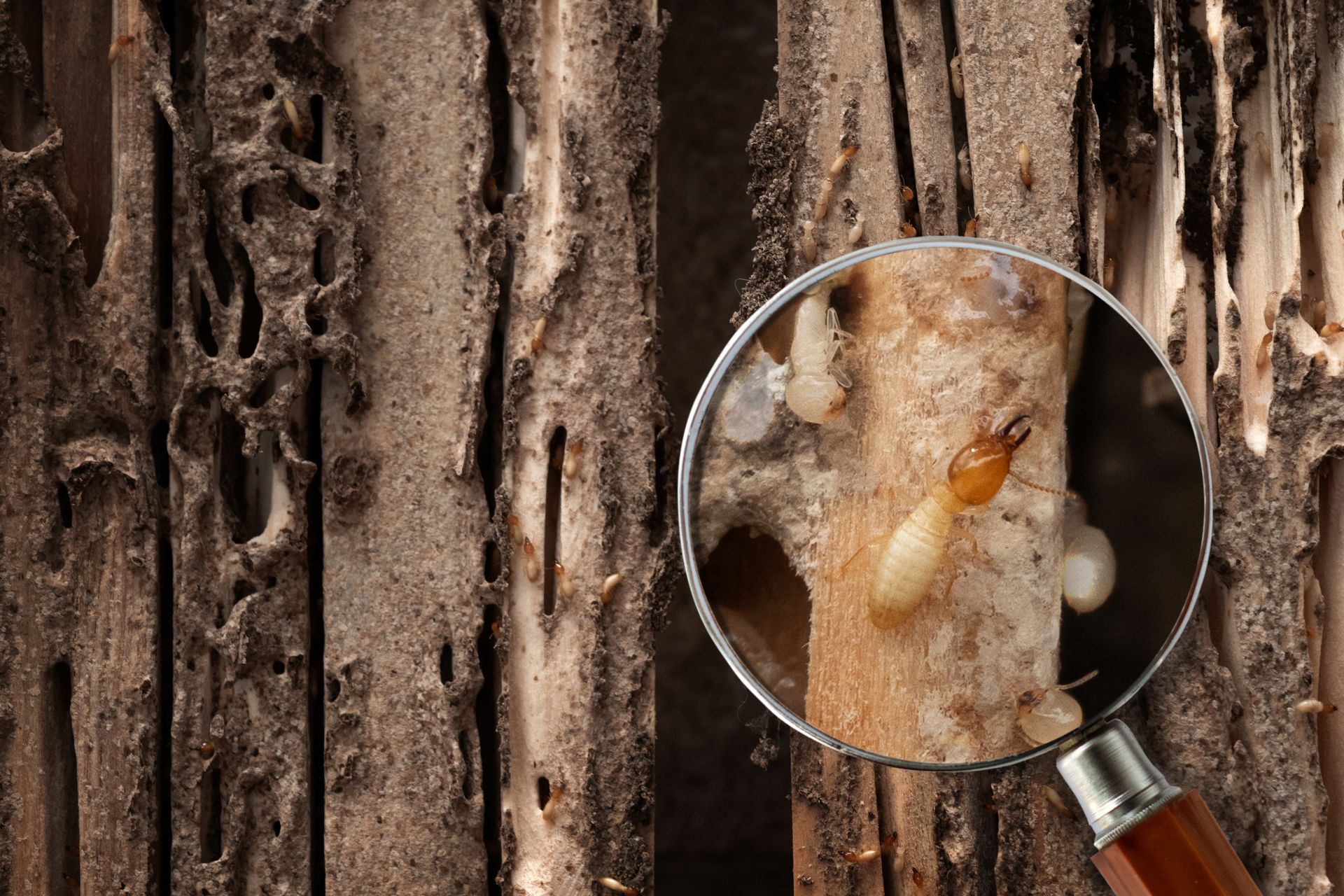
Need termite control in Eddyville, KY? Pass Pest Control offers timely inspections and treatment. Call (270) 477-6695 to protect your home today.
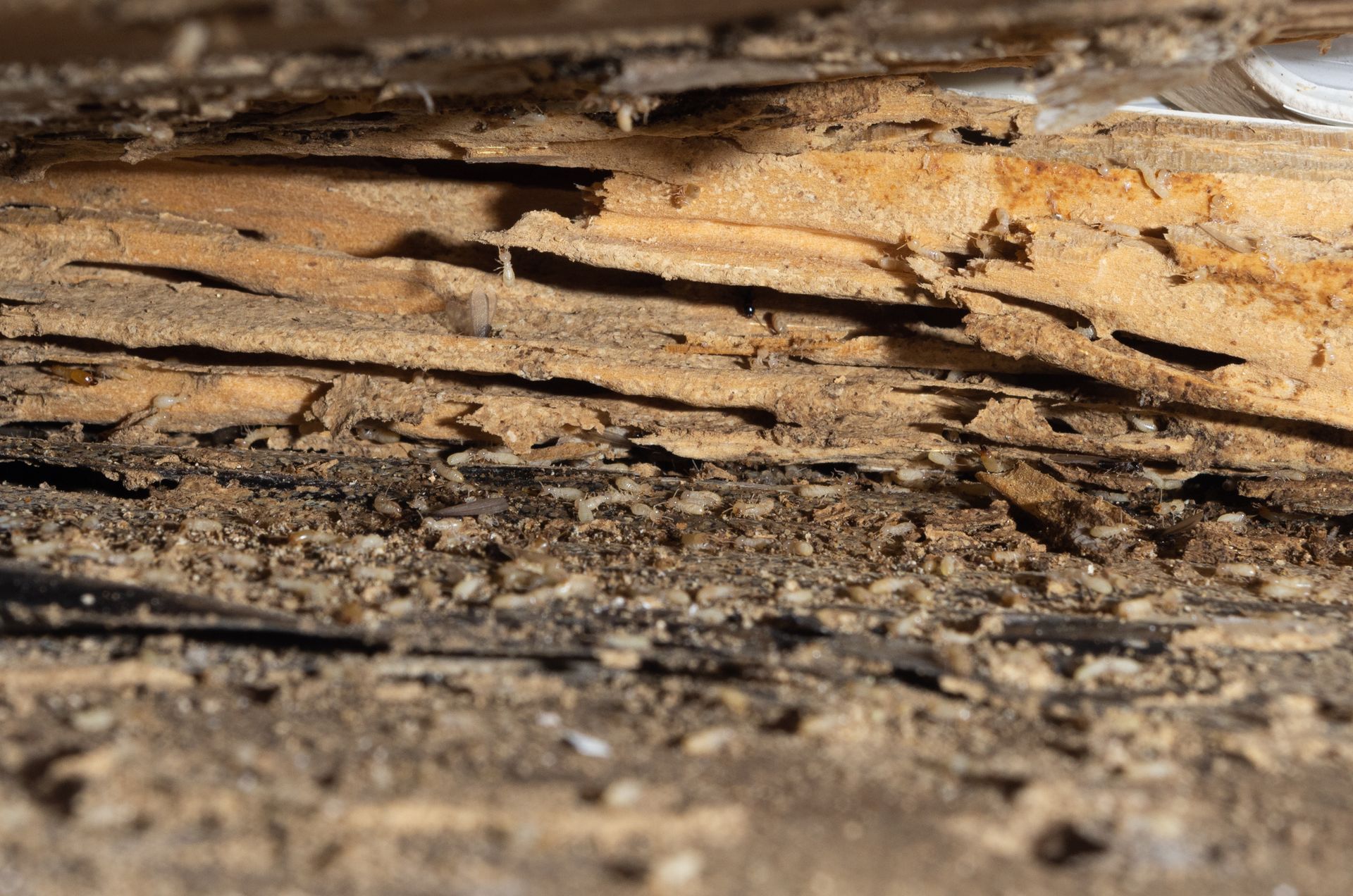
Protect your home with termite control treatment in Tell City, IN from Pass Pest Control. Call (270) 925-3323 today to schedule an inspection.
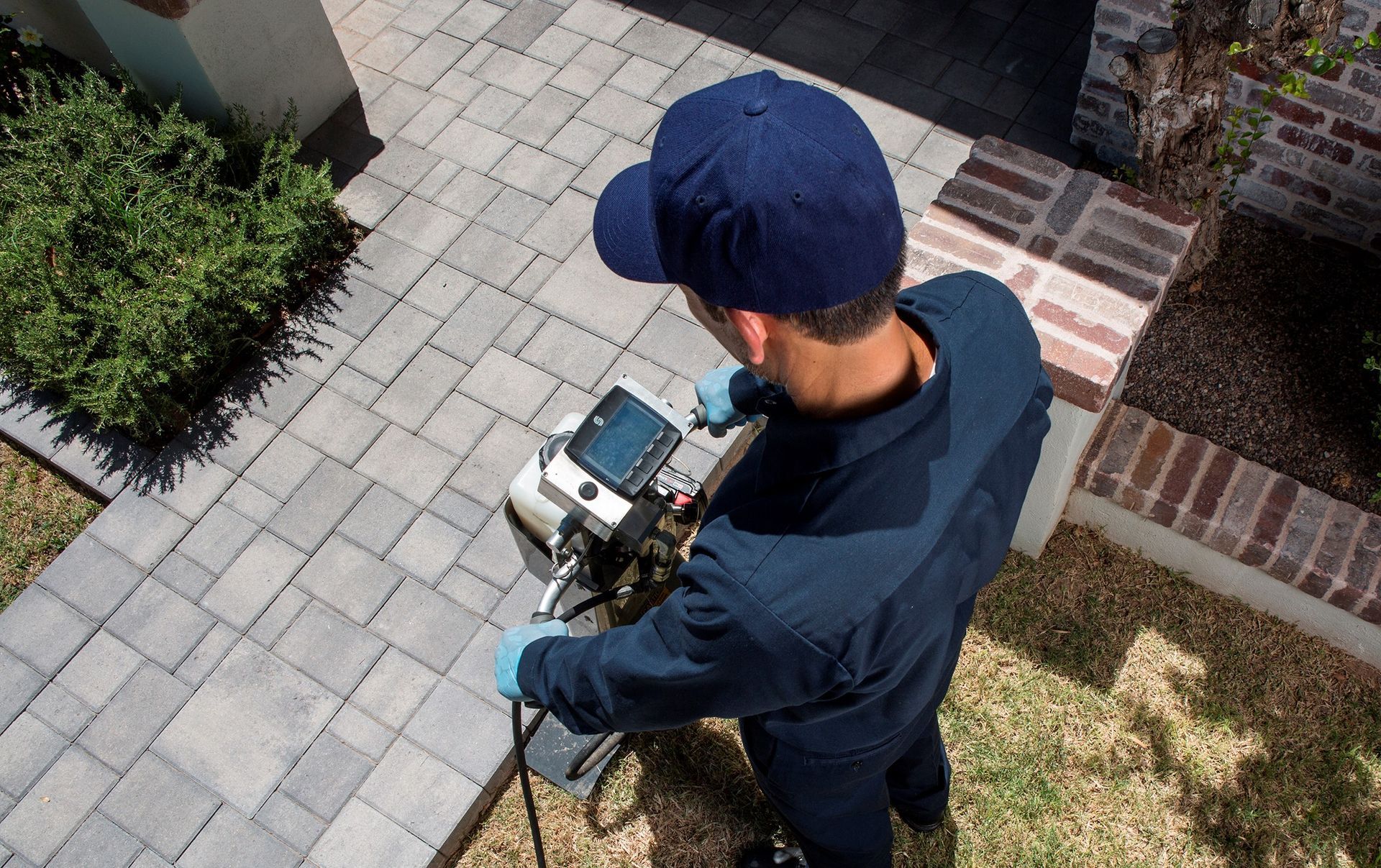
Effective termite control treatment in Greenville, KY, by Pass Pest Control. Protect your home—call (270) 925-3323 today.