BED BUGS: What They Are, How to Identify Them and How to Eliminate The
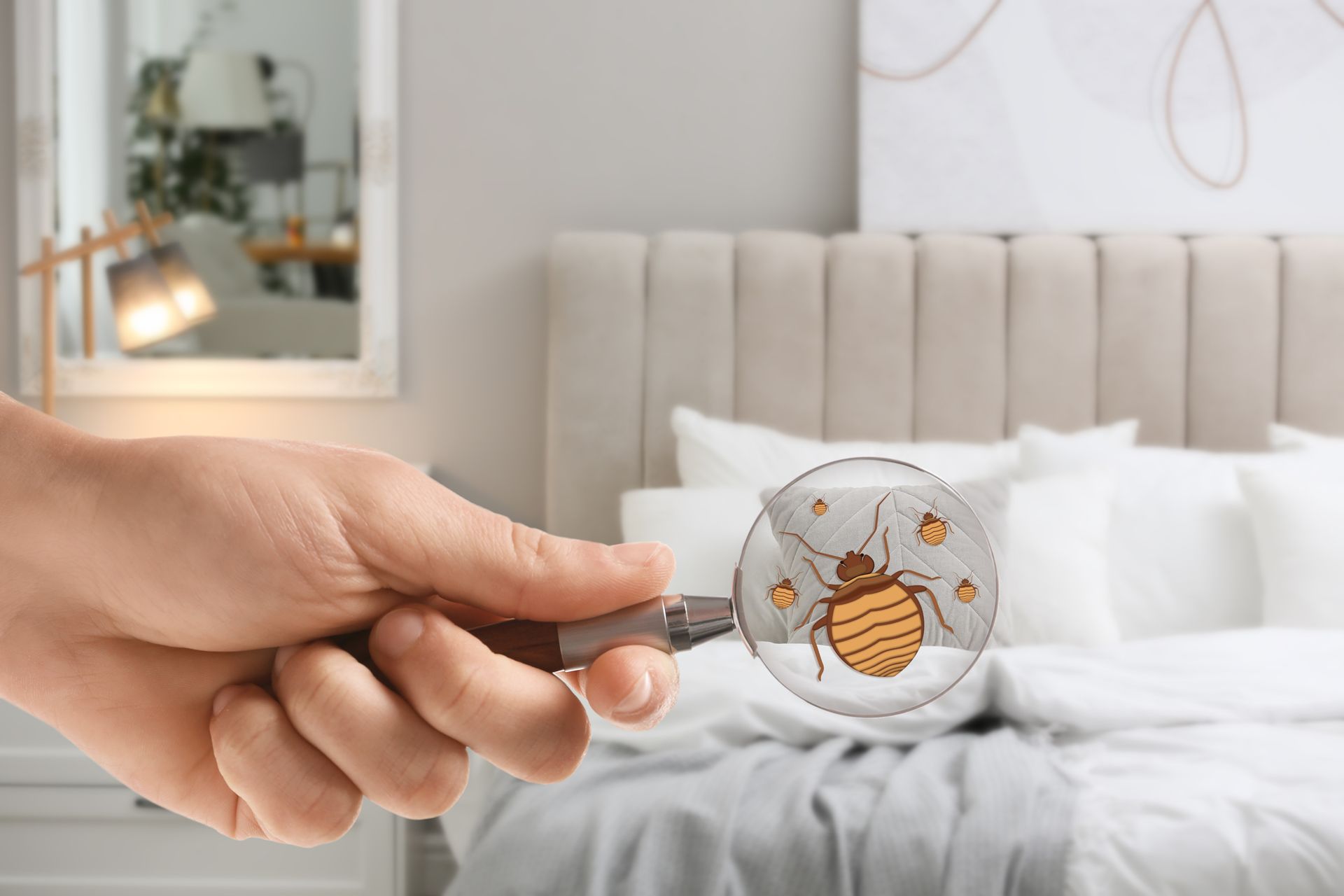
Bed bugs are small, parasitic blood feeding insects that can a comfortable home into a very unpleasant residence. Although they are not known to transmit diseases to people, their bites can cause itching and irritation, and an infestation can be difficult to correct without a complete application. However, in larger infestations the problem can cause open wounds due to scratching that can become infected.
What are Bed Bugs?
Bed bugs are small, dark brown insects that feed on blood. Adult bed bugs are about the size of apple seed where younger bed bugs are about the size of a grape seed and lighter in color. They are compact insects, allowing them to hide in cracks and crevices that are about the width of a dime. Despite their name, bed bugs aren’t limited to beds. They can hide in mattresses, box springs, bed frames, couches, chairs, carpets, cracks and other areas where individuals might rest.
How to Identify Them?
Bed Bugs can be difficult to spot because they are good at concealing themselves. Most common indications of an infestation are:
- Blood stains on bedding and mattresss
- Small dark spots indicating bed bug droppings
- Small eggs or cast skins
- Active bedbugs around tufts in the mattress, couches, chairs and cracks and crevices
- Red bites that occur in lines
Where do they originate from?
Bed bugs are excellent travelers. Bedbugs have a claw like hook similar to a tick which makes them the ultimate hitchhiker. They can enter a home through luggage, clothing, used furniture, bedding, and other personal belongings. They may also spread between rooms or apartments through cracks and other openings as well as person to person.
How do you eliminate bed bugs?
A few steps to take reduce your exposure to bed bugs:
Inspect used furniture before you place it into the home.
Use caution when traveling- inspect head boards, mattresses and all hotel furnishing before removing your items from your suitcase. Carefully check contents of luggage when returning home.
Keep rooms organized which will make inspection easier in case of infestation.
If you are suspicious of an item treat it for bedbugs before you place it into your home
What Do I Do if I Find Bedbugs?
Don’t discard of your furniture. Moving the items around can spread the infestation and make the problem worse. Start by carefully inspecting the area where bedbugs were observed. Wash and dry bedding on the highest setting available. Vacuuming is a valuable tool in helping to control infestations but can’t eliminate bedbugs on its own. Bed bugs can conceal themselves in cracks and crevices. Professional pest management may be necessary if the infestations is well established.
What to Do?
Bed bugs are an unpleasant, but they are a manageable pest problem. Early detection makes treatment easier. If you suspect and problem, inspect carefully, avoid spreading potentially infested belongings and consider contacting a qualified pest control professional for an appropriate treatment plan. If you are experiencing a reoccurring bed bug problem it is likely that you are coming into contact with an infected person or infested item.
The key is to act in an organized manner rather than relying on a single treatment for moving to another room. With careful inspection and the correct treatment protocol bed bugs can be eliminated.
There are many types of treatments for bedbugs and all of them work to a certain extent depending on the level of infestation and the condition of the home being treated. Heat is a very common way to control bedbugs but it only has about an 80 percent success rate. High clutter and easy avenues to avoid heat impact the ability of heat treatments to be successful. Temperatures have to be maintained at a level of 140 degrees or higher for at least three hours to see optimum results. Uncontrolled heat applications that maintain heat at 150 degrees for higher can result in serious damage to furniture, wiring and belongings. Chemical applications tend to perform very well in small to medium infestations but are challenged by aggressive, more populated bed bug infestations. Cryogenic applications do an excellent job of killing bedbugs on contact but do very little in controlling hidden infestations and leave no chemical residual for long term control. Fumigation is likely the most reliable method. Performed at the proper dosage rate a variety of insects and rodents can be eliminated with fumigation. However, fumigation tends to be more expensive that other applications and leaves no residual as chemical applications will.