Rodents of the Midwest: identification and control

Dead brown rabbit lying on red dirt, surrounded by dry twigs and rocks.

In the Evansville area we commonly deal with house mouse. The house mouse is a grey to red ,small rodent which as the name implies lives in very close proximity to humans. The house mouse is also very adaptable in an urban setting. Often homeowners will find the house mouse in the walls of the home infesting areas around insulation and electrical wire conduit. We find that it is a very common rodent species in our Paducah, Owensboro and Evansville markets. These mice can contaminate food stores, unsealed food and general areas where they urinate. Being very small they only need to width of a dime to enter homes. Areas that are not properly sealed around vents, windows and doors are common entry points and need to be sealed up properly before fall begins as these rodents will start to enter indoors as the weather cools. Other likely areas for entry would be pipe accesses from plumbing, gas or air conditioning pipes penetrating the foundations. Steel wool is your best defense from allowing entry at these areas as rodents can’t easily chew through this material.

Another common rodent found in the tri state area is the deer mouse. Deer mice are distinguished by the color features among other traits. House mice typically have uniformly grey color, while deer mice have white bellies and white feet with darker upper bodies. Deer mice also have larger ears and eyes. Deer mice typically live in rural or wooden areas but also migrate indoors as the weather cools in the fall. Deer mice have the same access characteristics as the house mouse. Sealing properly is critical to control their infestations. This species is known to commonly jump over glue boards in order to escape capture. Often the only mice caught in glue boards or multi catch traps are juveniles of the species. The deer mouse is a common carrier of hantavirus and contaminates food stores in the same manner as the house mouse.

The Norway rat is one of the most difficult rodents to control in the Evansville area. This rat is a very large rodent with large bodies with short noses and ears. A comparison in size would the grey squirrel. As a matter of fact, many people in the Midwest describe a grey squirrel as a rat in a cuter outfit. Rats can be very damaging. Being right at home in the inner city, farmland, sewers and businesses adapt to their surroundings and become very suspicious of new items in their territory sometimes avoiding bait boxes and glue boards with even the slightest of human scent. The Norway Rat is known for its borrowing activity. Highly infested areas will typically have rodent runs underground on the exterior of the structure as well as crawlspaces under a structure. They can do major damage to the interior of walls and create fire hazard by their constant gnawing on items such as electrical wiring. A very tough animal to control and even tougher to trap, a professional such as Pass Pest Control is typically necessary to keep them under control.

The Roof Rat is a very controversial pest in the Midwest as it is typically associated with infestations in the southern United States. However, Pass Pest has confirmed their existence in the Paducah and Evansville area. Roof rats typically have longer tails and longer ears than the Norway rat. They are commonly seen in areas jumping from building to building or running along electrical lines. Both infestations found in the tri state area were found in areas along railroad tracks near grain storage areas. As the climate warms we may encounter these even more but as of today I would classify them as an occasional invader while being transported via train or truck.

Voles are also very common in the Evansville area. Currently we experience three types of voles, the woodland, prairie and meadow. All voles leave unorganized path in the grass where they are foraging with paths 1 to 2 inches wide. They commonly burrow into the ground in search for food and shelter but their burrows are typically very shallow. Their entry holes into the ground are usually around the size of a quarter or slightly larger. While typically not that common indoors most of their damage is to plants and trees as they feed on roots and bases of both plants and trees.

The key to identifying and controlling most structure infesting rodents is to look for “rub” marks. Rodents fur is very oily. As they frequent the same areas and can be habitual dark stains on walls are a very good indicator of a rodent problem.
Person cleaning stains from a white mattress with a handheld vacuum cleaner
October 26, 2026
Recently a story out of an Ohio airport reported that a plane had to be evacuated due to a massive bed bug infestation with passengers reporting finding bed bugs aggressively crawling on them. Even though I have treated passenger planes on rare occasions here in Evansville I have never seen an infestation as described by the passengers. How did this happen and how might they have gotten this severe where no one noticed before? Well, there are several possibilities. Although it is possible that someone introduced large quantities while on the plane there is no evidence to support this. We know this happens occasionally as a case similar to this occurred in 2020 in Pennsylvania. A young man was caught with bed bugs in pill bottles at a men’s clothing store. Unfortunately, he had already released several hundred before he was caught causing the store to spend thousands of dollars on treatments to rid the store of the infestation. The most likely scenario on the plane was that the infestation had just been ignored for way too long. Bedbugs do not commonly occupy open areas during initial infestations but as the infestation grows seeing them foraging for a blood meal out in the open is common. Normally, during the initial infestation, especially the ones we encounter in the Paducah, Owensboro and Evansville “mystery” bites are the most common thing we get called out for. As the infestation grows in homes people may see bedbugs around couches and beds. If it continues further without proper treatment a situation occurs where “traumatic” insemination begins to push the females away from the most common harborage points. This occurs because over time the male sexual organ has evolved into more of a spike that it’s original design. The male uses this to inject semen directly into the females abdomen which caused them to disperse. So, imagine if it sometimes takes several days, weeks or months or recognize what you have in your own home, how long it would take staff to discover an infestation in which it is common to have different crews on a daily basis. So, what are the consequences of these major infestations of airplanes or any public transportation for that matter. First of all, this is a major “super” spreader event. Each person who was a passenger on this plane has to potential to infest their own home, the homes and workplaces of anyone they closely encounter in the airport, infest the home of the individuals picking them up as well as the homes of the ride services they chose to get to their final destination. Bedbugs are the ultimate hitchhiker. They have a crawl like hook very similar to what a tick possesses. They use this device to latch on to you as you make contact with their resting area. I do not have any knowledge of protocols being used in our Paducah, Owensboro and Evansville airports but some major carriers have very specific protocols involving the prevention and control of infestations on an airline. Firstly, when a bedbug infestation is suspected many carriers take the plane out of service immediately and complete a top to bottom inspection to determine the cause of the complaint. If an infestation is confirmed then a treatment is performed to eliminate the infestation. One thing to remember is that I have found that no airline has in their protocol to contact you if bedbugs were confirmed on a flight that you had taken. So, you can bring them home and never have any knowledge that there was a problem. As I always do, I recommend immediately placing clothes in the dryer that you took on your trip as bedbugs commonly infest suitcases and clothing as you travel. So, back to the original question, are bedbugs making a resurgence? It seems this may be the case. This year our Paducah, Owensboro and Evansville branches reported a 19% increase in bed bug infestation. Nationwide, infestations on airlines are becoming more common. In the early 2010’s when bedbugs were making their big comeback after years of being a non-issue planes were one of the first places we began to hear of their continued existence. It is looking like history is repeating itself.
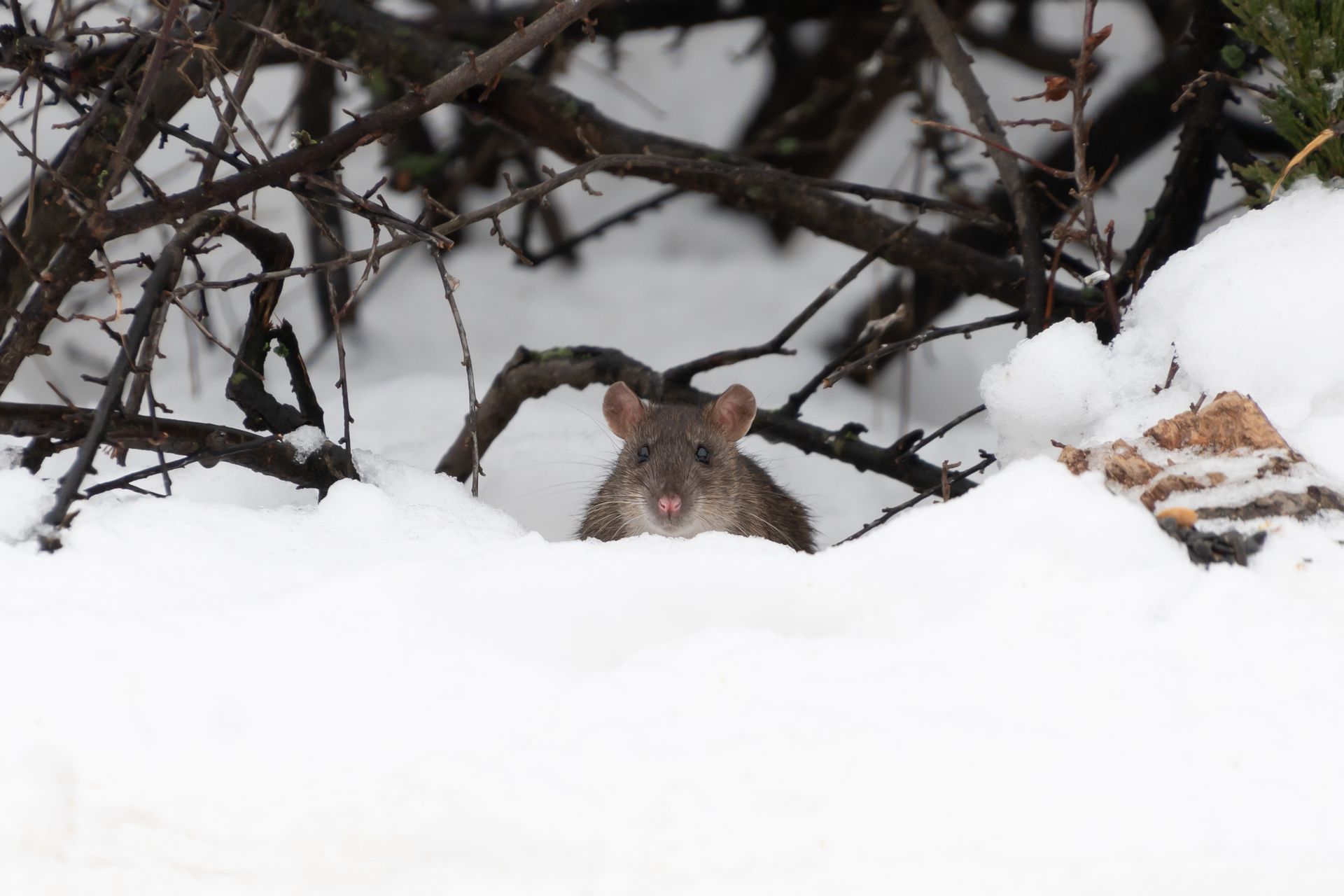
Small brown animal peeking over deep snow under bare tree branches
October 17, 2026
Commonly when the weather starts to cool many insects and rodents in Evansville begin to make their journey to shelter to survive the winter. In the wild, that may be a hollow tree, bark of a tree, leaf litter or other type of natural shelter.
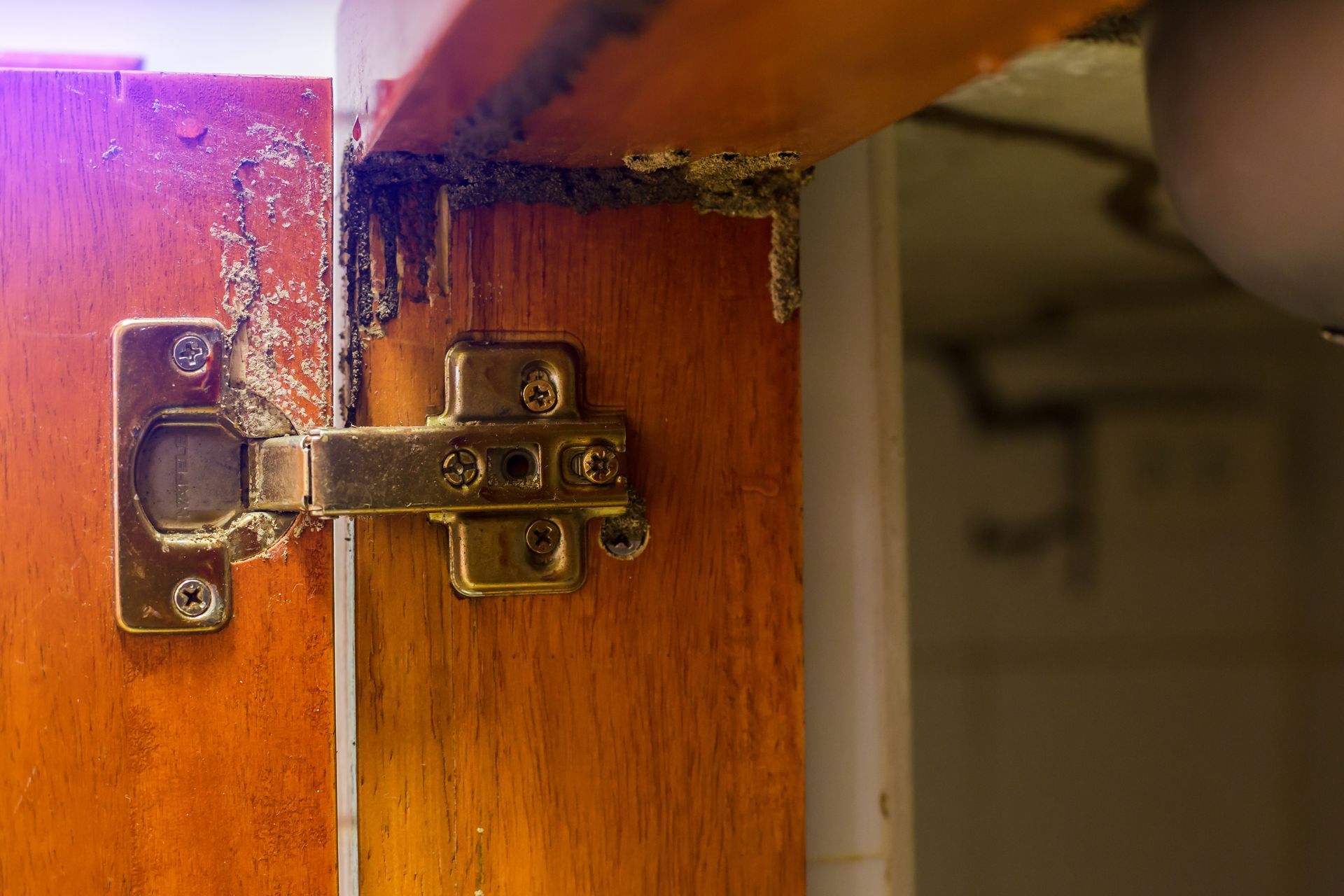
The wooden cabinet hinge with termites damage.
October 1, 2026
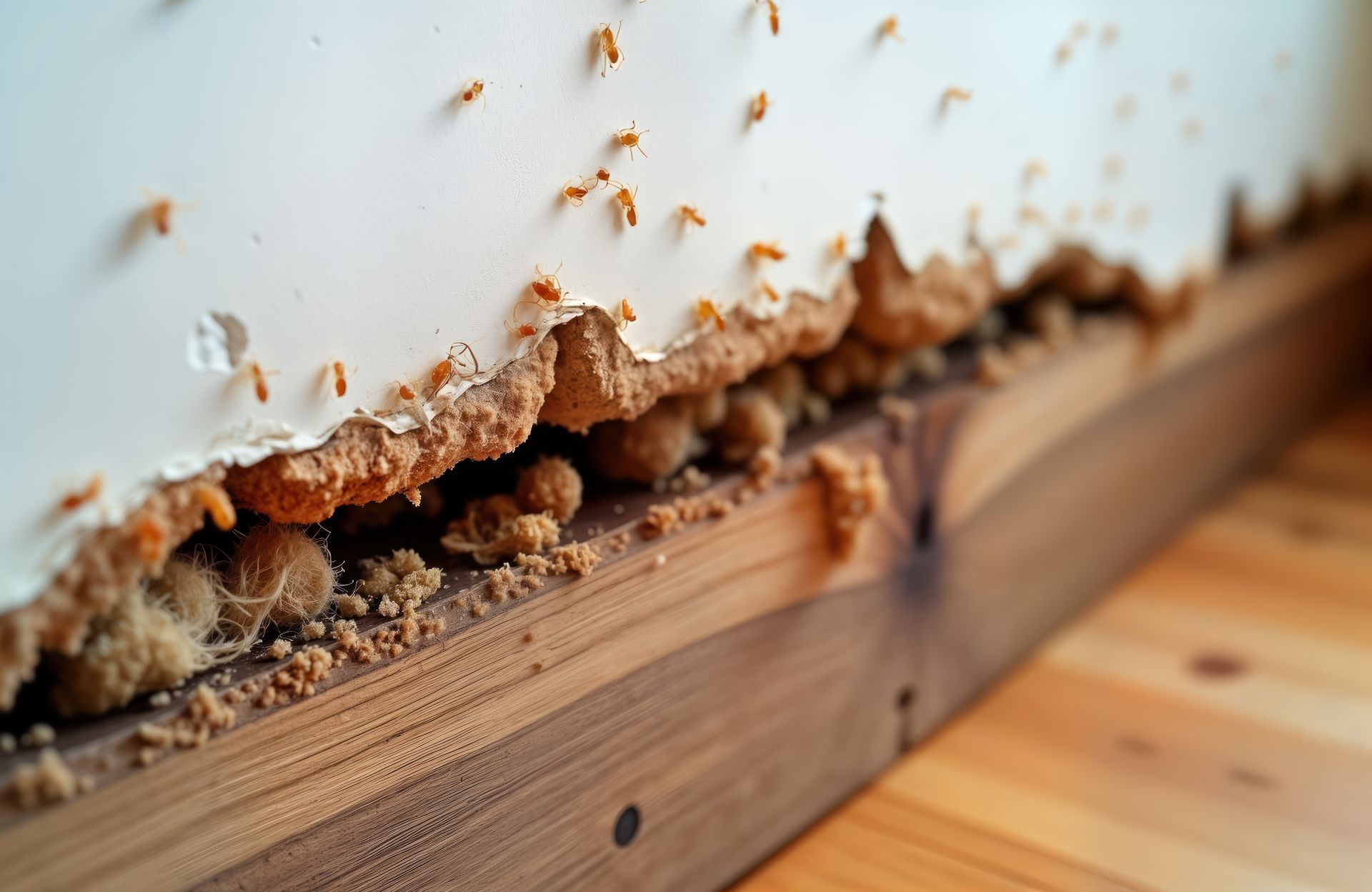
Liquid termite control in Jasper, IN? Learn which treatment may suit your home. Pass Pest Control offers effective solutions. Contact us today!
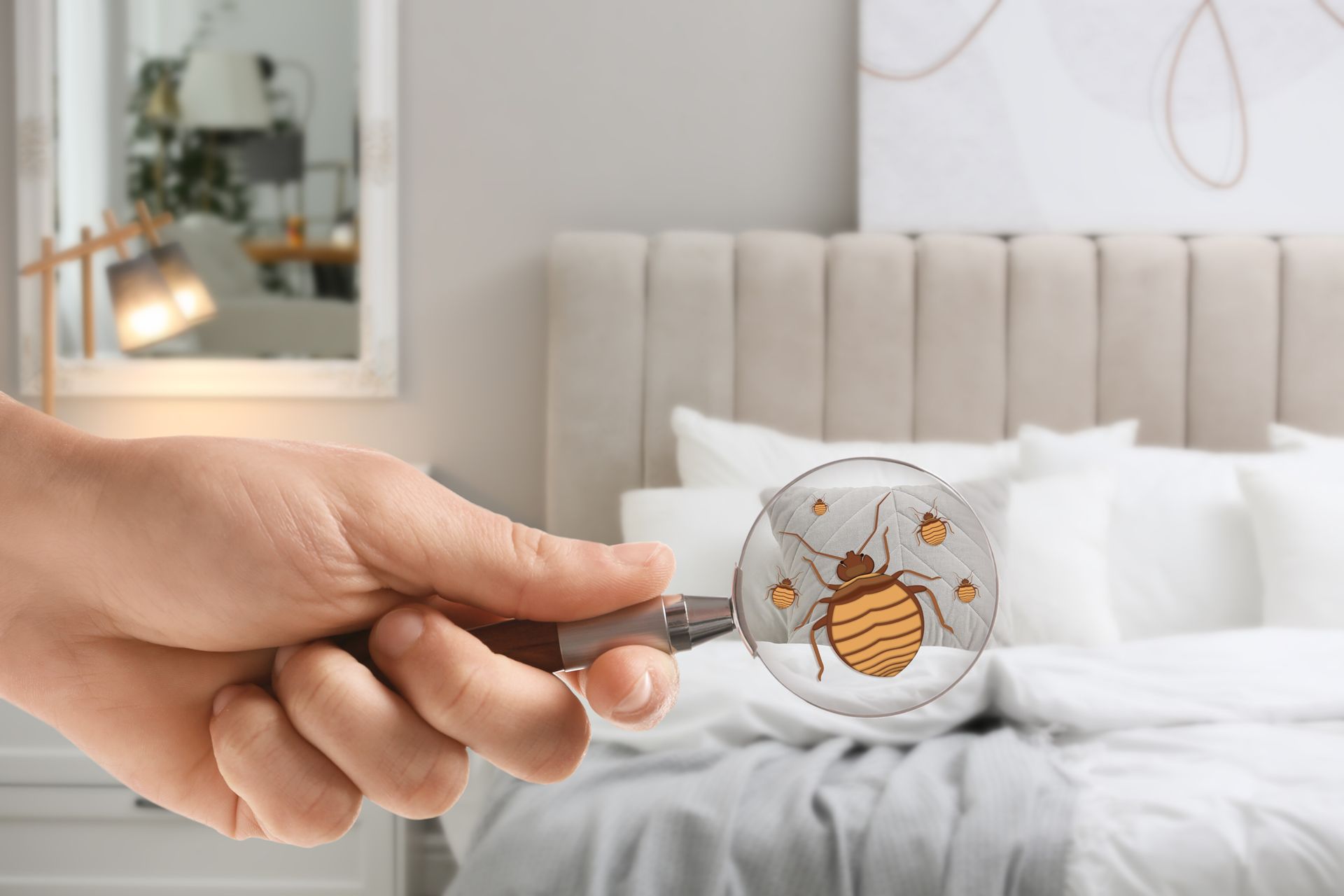
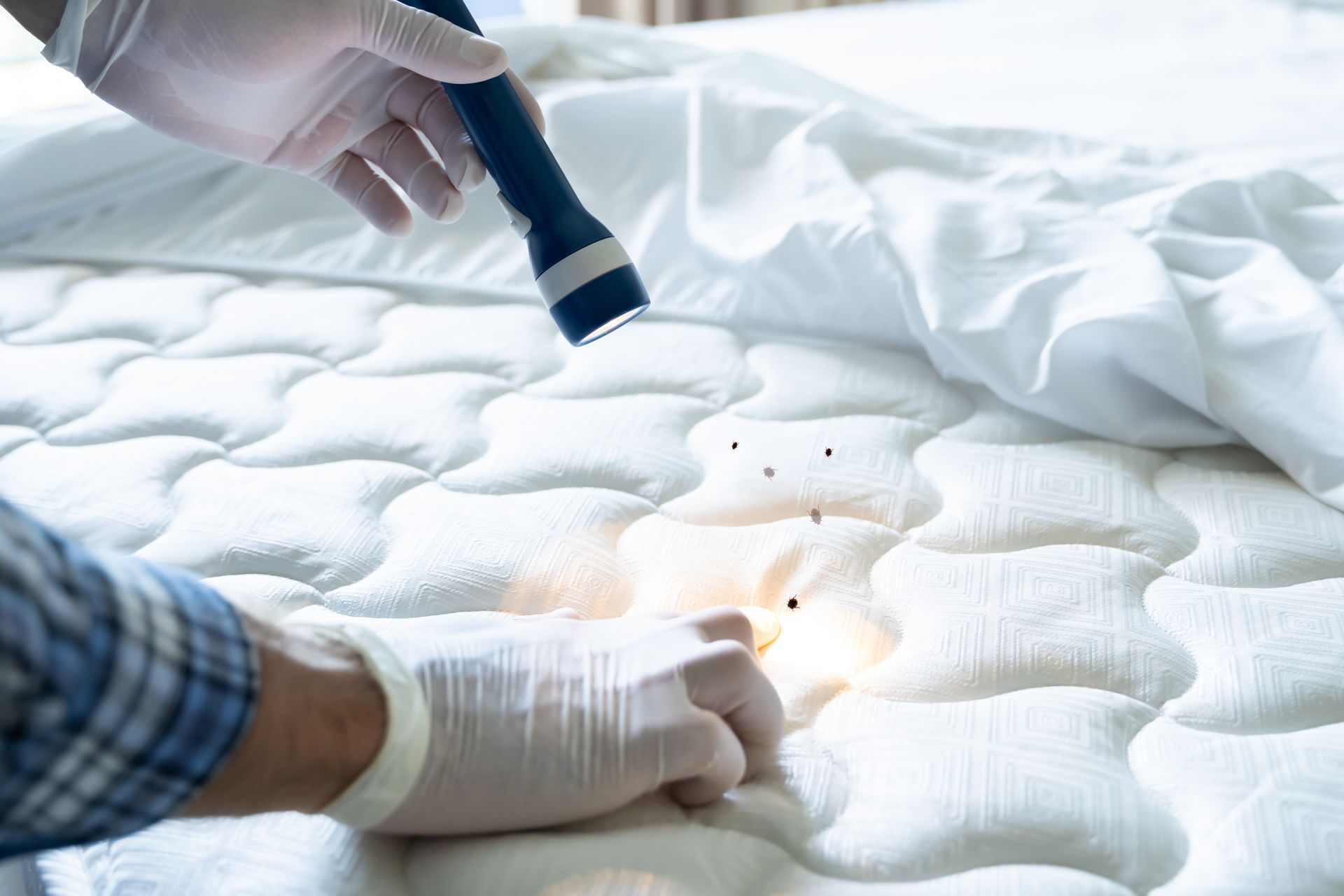
Hand holding a magnifying glass over a bed, enlarging a bee illustration near a bedroom scene
August 19, 2026
Bed bugs are small, parasitic blood feeding insects that can a comfortable home into a very unpleasant residence. Although they are not known to transmit diseases to people, their bites can cause itching and irritation, and an infestation can be difficult to correct without a complete application. However, in larger infestations the problem can cause open wounds due to scratching that can become infected. What are Bed Bugs? Bed bugs are small, dark brown insects that feed on blood. Adult bed bugs are about the size of apple seed where younger bed bugs are about the size of a grape seed and lighter in color. They are compact insects, allowing them to hide in cracks and crevices that are about the width of a dime. Despite their name, bed bugs aren’t limited to beds. They can hide in mattresses, box springs, bed frames, couches, chairs, carpets, cracks and other areas where individuals might rest. How to Identify Them? Bed Bugs can be difficult to spot because they are good at concealing themselves. Most common indications of an infestation are: Blood stains on bedding and mattresss Small dark spots indicating bed bug droppings Small eggs or cast skins Active bedbugs around tufts in the mattress, couches, chairs and cracks and crevices Red bites that occur in lines Where do they originate from? Bed bugs are excellent travelers. Bedbugs have a claw like hook similar to a tick which makes them the ultimate hitchhiker. They can enter a home through luggage, clothing, used furniture, bedding, and other personal belongings. They may also spread between rooms or apartments through cracks and other openings as well as person to person. How do you eliminate bed bugs? A few steps to take reduce your exposure to bed bugs: Inspect used furniture before you place it into the home. Use caution when traveling- inspect head boards, mattresses and all hotel furnishing before removing your items from your suitcase. Carefully check contents of luggage when returning home. Keep rooms organized which will make inspection easier in case of infestation. If you are suspicious of an item treat it for bedbugs before you place it into your home What Do I Do if I Find Bedbugs? Don’t discard of your furniture. Moving the items around can spread the infestation and make the problem worse. Start by carefully inspecting the area where bedbugs were observed. Wash and dry bedding on the highest setting available. Vacuuming is a valuable tool in helping to control infestations but can’t eliminate bedbugs on its own. Bed bugs can conceal themselves in cracks and crevices. Professional pest management may be necessary if the infestations is well established. What to Do? Bed bugs are an unpleasant, but they are a manageable pest problem. Early detection makes treatment easier. If you suspect and problem, inspect carefully, avoid spreading potentially infested belongings and consider contacting a qualified pest control professional for an appropriate treatment plan. If you are experiencing a reoccurring bed bug problem it is likely that you are coming into contact with an infected person or infested item. The key is to act in an organized manner rather than relying on a single treatment for moving to another room. With careful inspection and the correct treatment protocol bed bugs can be eliminated. There are many types of treatments for bedbugs and all of them work to a certain extent depending on the level of infestation and the condition of the home being treated. Heat is a very common way to control bedbugs but it only has about an 80 percent success rate. High clutter and easy avenues to avoid heat impact the ability of heat treatments to be successful. Temperatures have to be maintained at a level of 140 degrees or higher for at least three hours to see optimum results. Uncontrolled heat applications that maintain heat at 150 degrees for higher can result in serious damage to furniture, wiring and belongings. Chemical applications tend to perform very well in small to medium infestations but are challenged by aggressive, more populated bed bug infestations. Cryogenic applications do an excellent job of killing bedbugs on contact but do very little in controlling hidden infestations and leave no chemical residual for long term control. Fumigation is likely the most reliable method. Performed at the proper dosage rate a variety of insects and rodents can be eliminated with fumigation. However, fumigation tends to be more expensive that other applications and leaves no residual as chemical applications will.
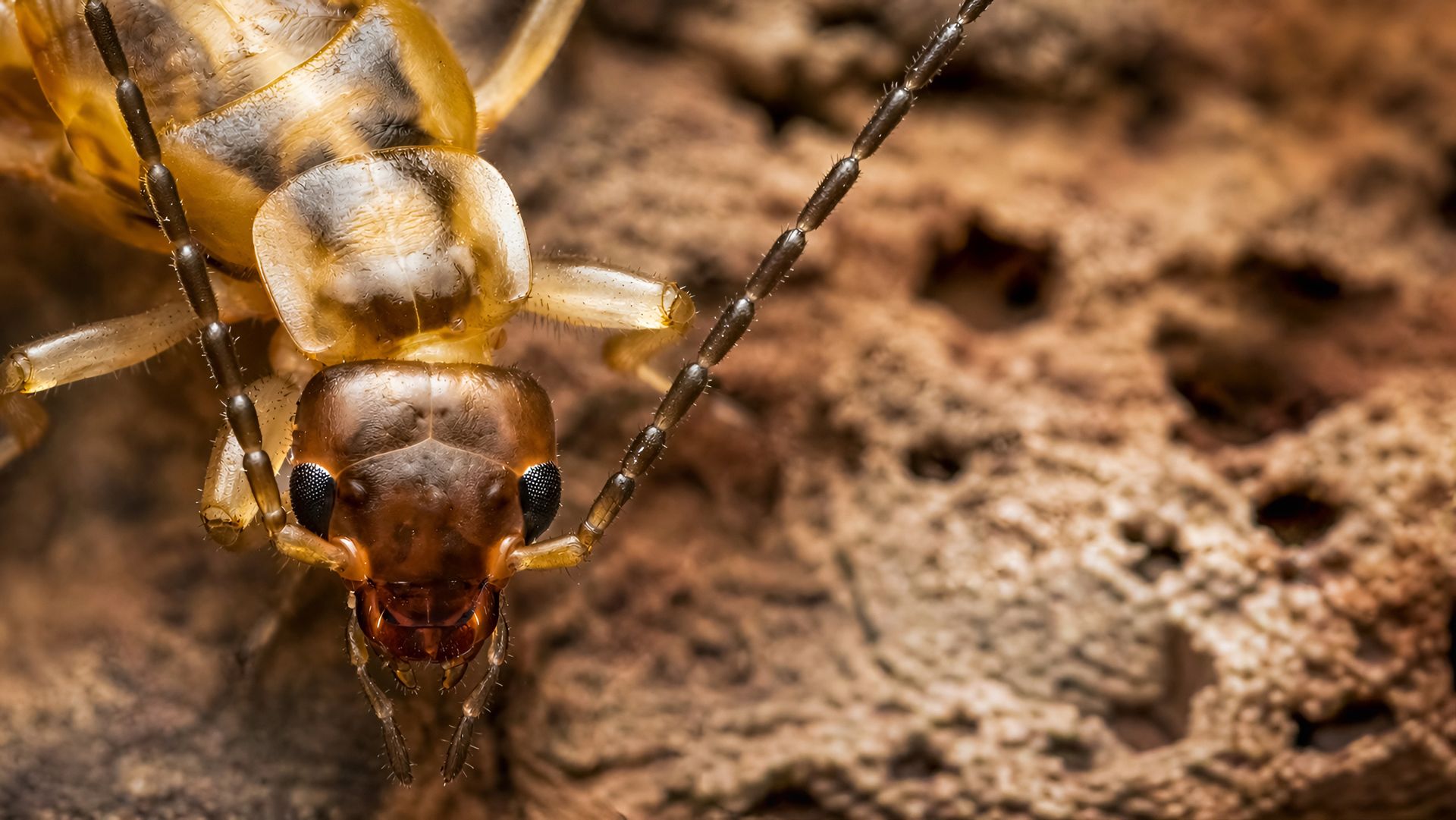
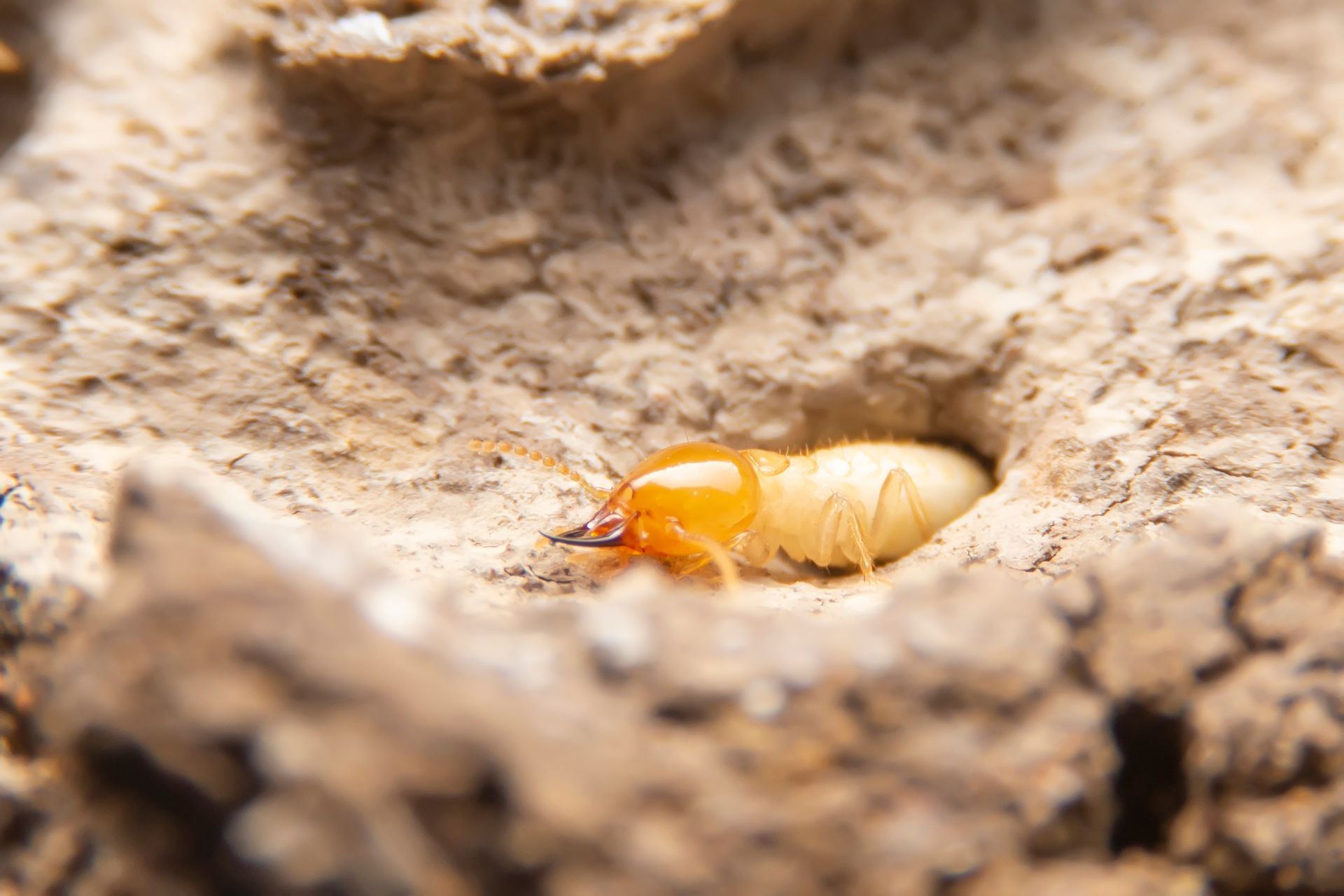
Macro close-up of a termite on decayed wood showing infestation damage.
July 26, 2026
Get expert termite control treatment in Eddyville, KY from Pass Pest Control. Effective solutions, free inspections. Call (270) 477-6695 today!
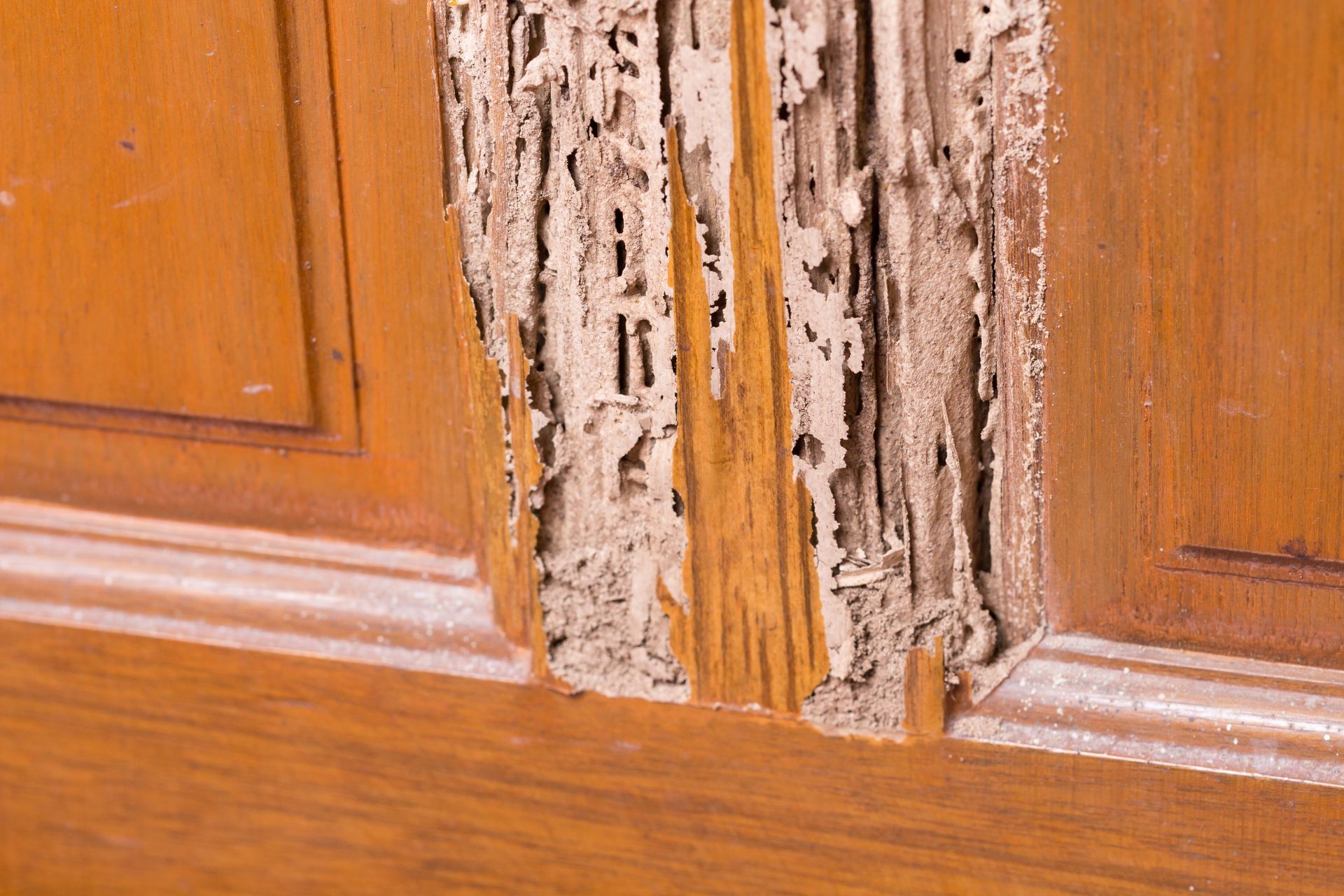
close-up of wooden door severely damaged by termites, with visible tunnels and wood deterioration.
July 14, 2026
Spot hidden termite damage early. Pass Pest Control provides effective termite control serving Jasper, IN. Free inspections available. Call today.
Wood surface shows signs of termite infestation.
June 19, 2026
Protect your Jasper, IN home with professional termite control from Pass Pest. Inspections, soil barrier treatments & annual check-ups. Call today!
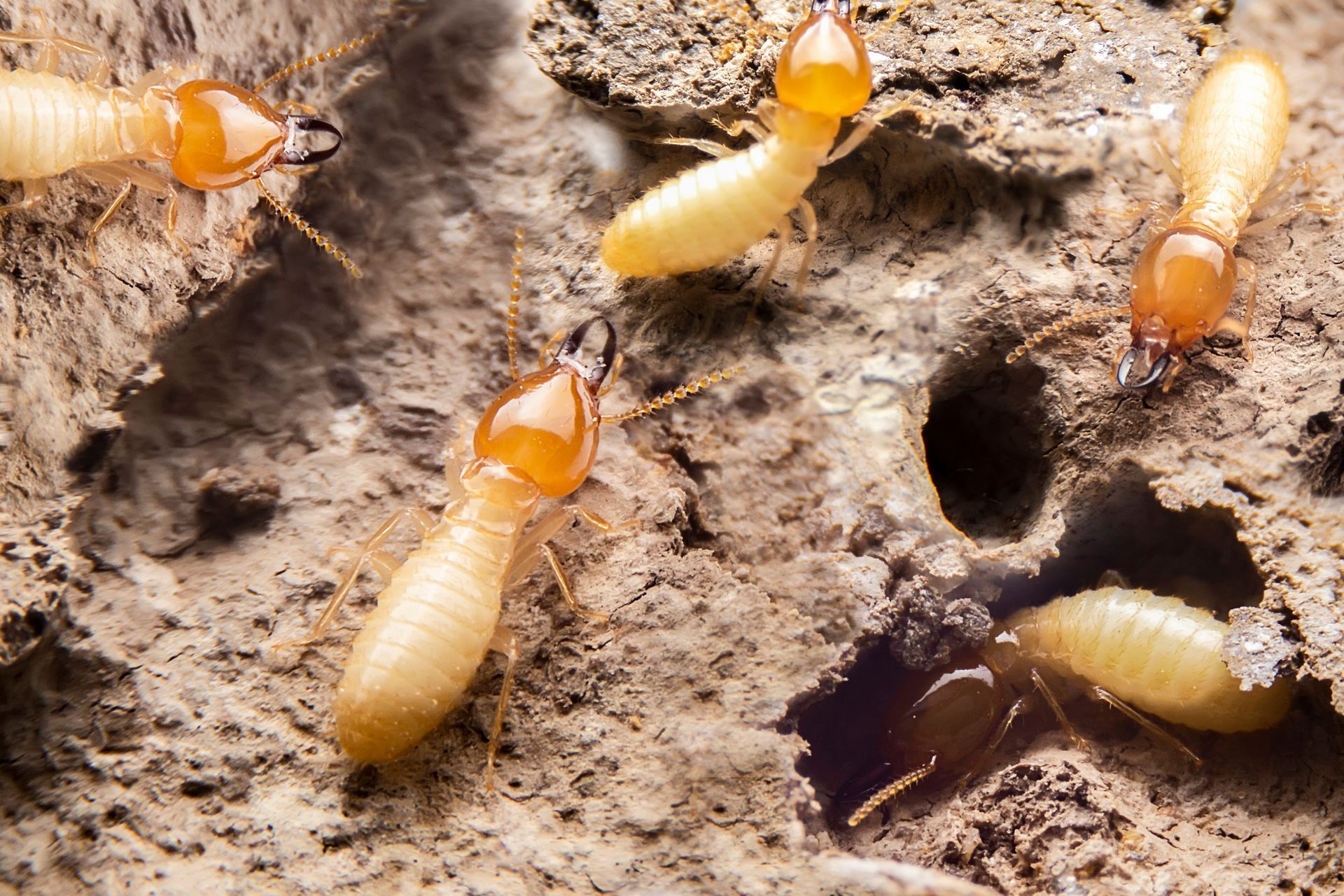
Termites in the nest on a white background
May 8, 2026
Explore termite control in Jasper, IN, with Pass Pest Control. Learn about local seasonal risks and effective solutions. Click here for expert help!
An exterminator with a blue work outfit
April 17, 2026
Discover essential termite control in Tell City, IN! Follow our preventative tips to safeguard your home. Click to rad more from Pass Pest Control now.
Termites walking on the ground.
March 6, 2026
Discover when to schedule termite control treatment in Jasper, IN. Click here to protect your home today with Pass Pest Control's professional tips!
More Posts