Why do Bedbugs seem to spread so fast
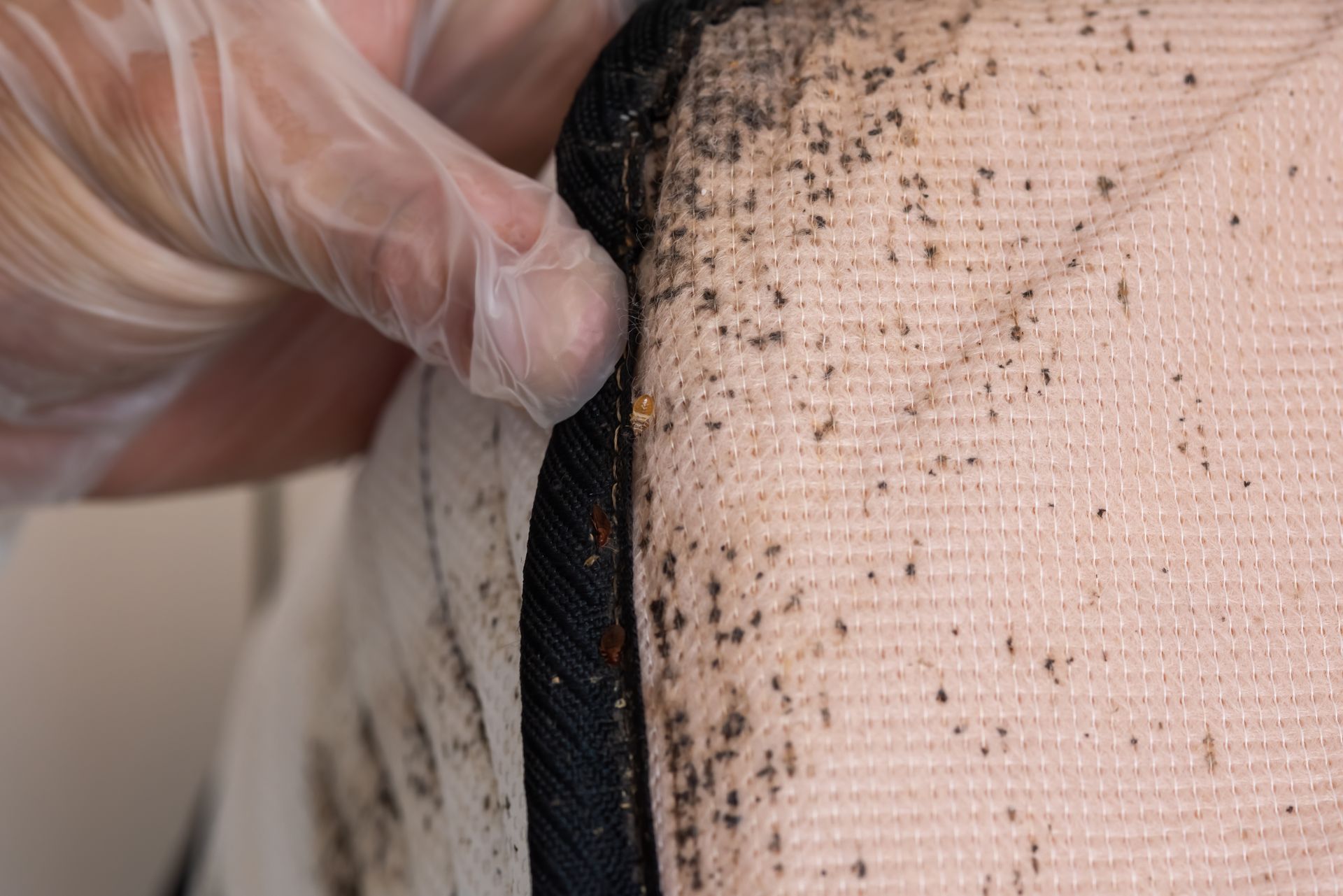
Bedbugs are the ultimate hitchhiker due to the tick hook they possess to grab onto unsuspecting victims. Ticks use a very similar claw to attach themselves easily to mammals as they pass them in the wild. As a potential blood meal passes closely to the bed bug they patiently lie in wait to capture their next blood meal. Bedbugs do not have the ability to fly and can’t leap from one surface to another. They will commonly attach themselves to luggage, backpacks, clothing, bedding and furniture. Their mouth secretions have an organic pain killer which allows the bedbugs to feed without waking or disturbing the host. Many individuals experience no reactions to the bites which allows the infestation to continue to grow before the homeowner notices there is a problem. Bedbugs only feed on blood and unlike the mosquito both the male and female readily seek out a potential host. The Evansville, Paducah and Owensboro area a high traffic territory for bedbugs making up about twenty percent of Pass Pest control’s annual revenue. One of the reasons for their very quick spread is that they are prolific breeders. A single female can lay anywhere from 5 to 20 eggs per day and as many as 600 in her lifetime. The size of the population can double in two weeks under the right conditions without exposure to protective measures. Bedbug eggs usually hatch within 10 days and nymphs can reach full reproductive ability in about 30 days. The most disturbing reason for increasing bed bug spread is the method of reproduction utilized by the male bedbug. Instead of using the female’s normal reproductive tract the male uses a dagger shaped appendage to mate directly with the female direct injection into her abdomen. This process is very painful to the female and repeated exposure over time can limit the female’s life span and breeding capacity. As a defense the female tends to migrate away from larger congregation of other bedbugs as this is likely to occur. Normal infestation points like beds, couches and chairs develop into infestations in other areas where they are not normally seen. Males are attracted to well fed females. However, a male bed bug which has freshly feed can also become a target and experience traumatic insemination that could lead to their death.
Unfortunately, bedbug infestations are not an item that a business or home can budget as a regularly expected occurrence and over time their treatment can become expensive depending on what treatment is done. Shortcuts or general disinterest from hospitality, hospitals, nursing homes and secondhand clothing and furniture stores can cause infestations to grow exponentially. Several years ago we were introduced to a sales technique called the Sandler system. One technique that I had seen demonstrated was what I call the assumptive infestation call. That is not the proper name of the prospecting technique however it is the most fitting for the strategy. Being naturally skeptical that the process would work I decided to try the method myself. My branch manager and I were making cold calls in the Hopkinsville, Kentucky area when we passed a secondhand furniture store. The procedure was designed to work as follows. If I were cold canvasing restaurants on a particular occasion I would just walk in and state , “I’m here about your cockroaches” and not say another word until they responded. Sometimes there would be an uncomfortable delay but a response typically would be who they currently use, if they had an infestation or I would be directed straight into the kitchen. On this day, we walked into the secondhand establishment and I asked the question as trained, “I’m here about your bedbugs”. The people looked at each other nervously and after what seemed like a long delay one of the guys pointed at an arrangement of furniture and stated, “you mean that couch right there”? The proprietors knew that the piece of furniture was infested and chose to sell it anyway without treatment. This is the typical super spreader event that we have all heard about. The individuals that worked in the Hopkinsville store were obviously exposed to the insects as well as anyone who walked into the store and sat on it. The unsuspecting customer would then take the couch to their home which would in turn infest the belongings of the homeowners. This would lead to the possibility of the homeowners transporting the bedbugs to their place of work, church or other gathering areas. Anyone visiting the home would also be at risk when coming into close contact with the infested area. Just recently, in our Paducah area branch we encountered another issue at a nursing home that would qualify as a major infestation spreading event. A nursing home that we had serviced for quite some time for general pest asked to come out to give a bed bug quote. It was odd in all the years we had serviced this facility they had never made such a request. Upon inspection we discovered that the entire facility had a major problem. Upon inquiring from the management about who had been servicing the facility we were given the name of an individual. The manager stated, “he’s here if you want to talk to him about what he is using”. We were lead down a hallway and lead into a patient’s room where a very elderly man was sitting a bed. This man, likely 80-90 years old explained to us that he had been buying drione dust and putting it in every room in the facility. Obviously, there are many problems with this. Firstly, the manner he was applying the dust violated the label. Secondly, the facility was using an unlicensed applicator with no experience in the pest control industry. Lastly, the solution was not at all effective. This creates several additional problems. The facilities infestation was now so severe that the only curative method would be the use of a fumigant. The staff, visitors and the families have now been exposed to a large bed bug infestation facilitating a much larger event.
Another good example was a hotel in the Metropolis, Illinois area that had ignored their infestation to the point where nearly every room had been impacted. The owners knew they were there and continued to rent out rooms to the public knowing the risks and that control applications had never been rendered. Once again, every member of the staff, workers, clients and every person the guests encountered were now a candidate for infestation at their own homes.
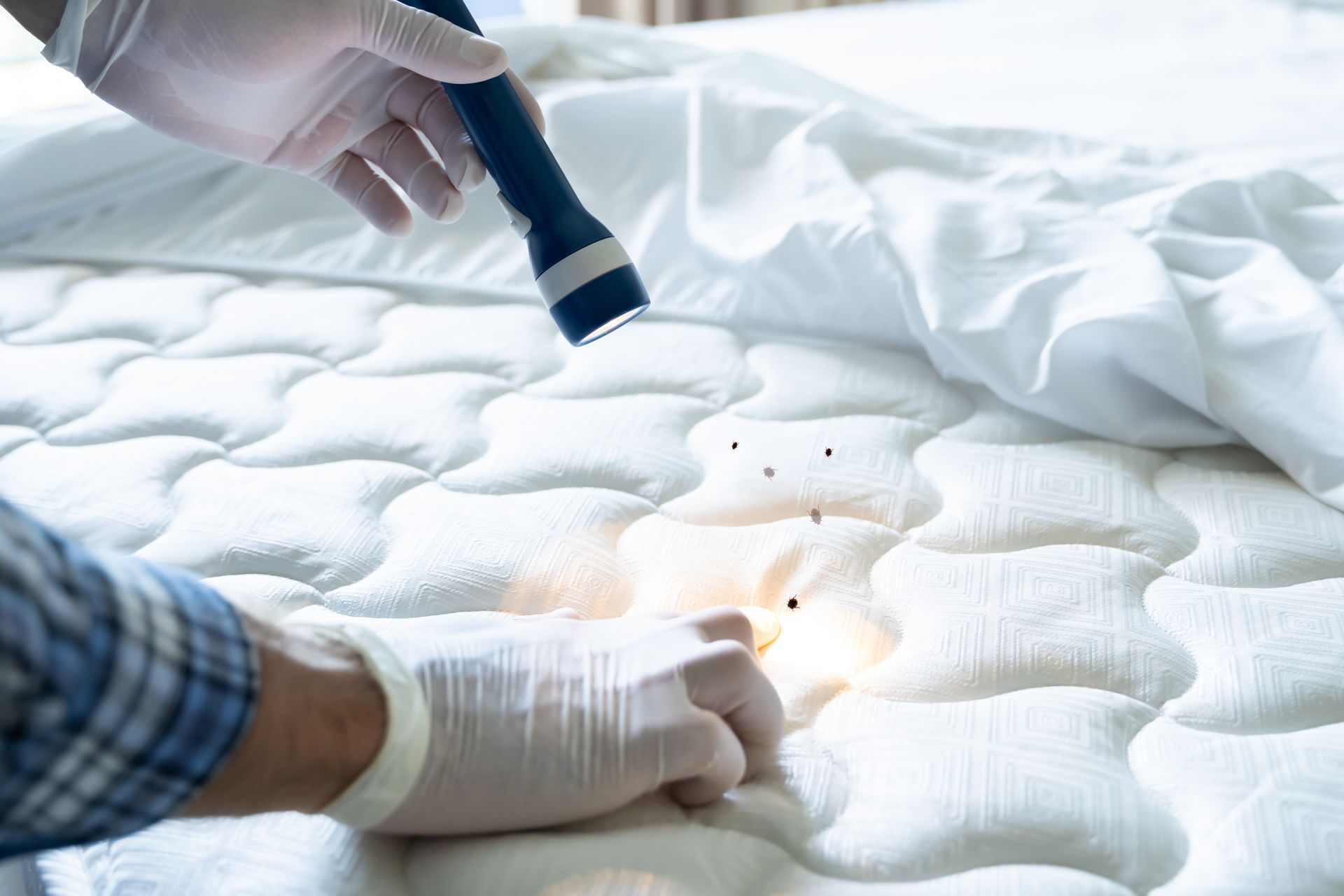
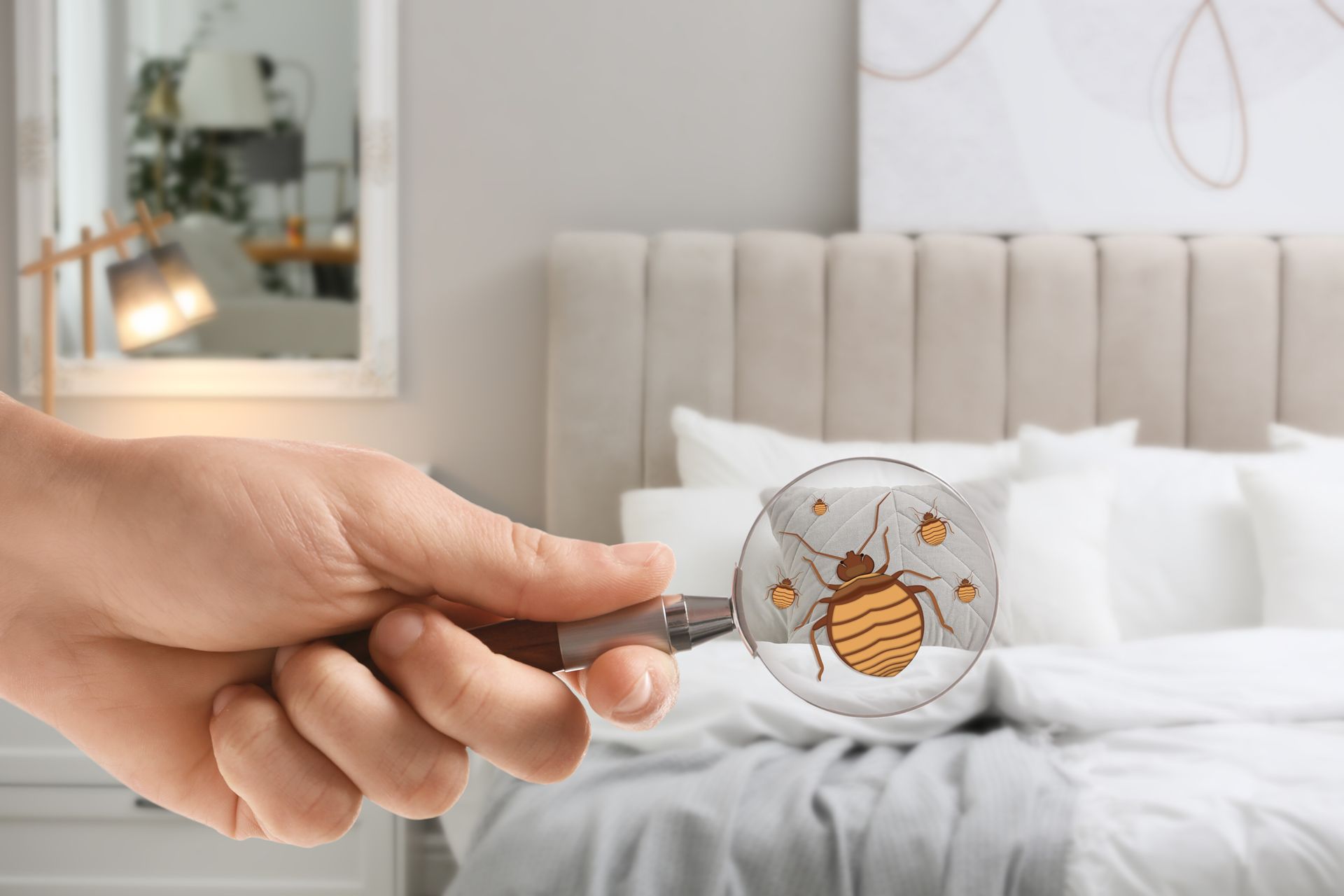
The ultimate question is how you protect yourself from businesses that contribute to the possibility of causing an infestation at your own business or residence. To begin, when checking into a hotel ask the manager if they have a bed bug protocol and a regular pest control provider. Secondly, I would always check the “bed bug registry”. This is an accumulation of reports made by consumers detailing their experiences with bedbugs at hotels, airbnbs and other public gather locations. Lastly, before you place your belongings into the rooms perform a thorough inspection on the bed, couch and nightstand before bringing your supplies into the room. You will be inspecting for the presence of live insects which will be brown with a tear drop shape but the most telling will be the presence of blood staining on the bedding and mattress. Likewise, if you are faced with making the decision of putting a loved one in an assisted living facility or nursing home follow the same procedures as you would as checking into a hotel. If you are in the market for new furnishings I would be cautious about buying used items without prior treatment or a very thorough inspection to prevent the spread into your home.