Nuisance ants in Western Kentucky
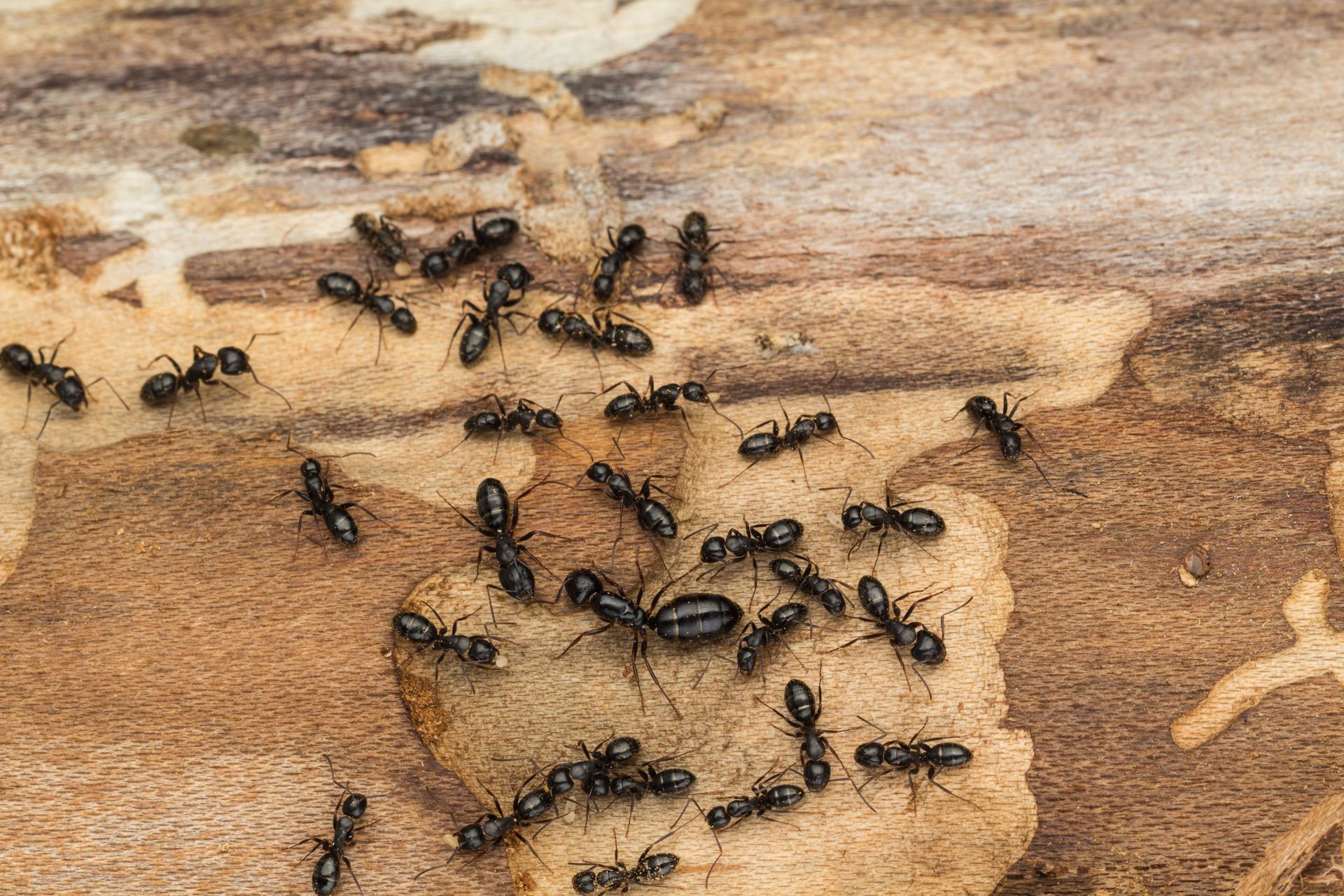
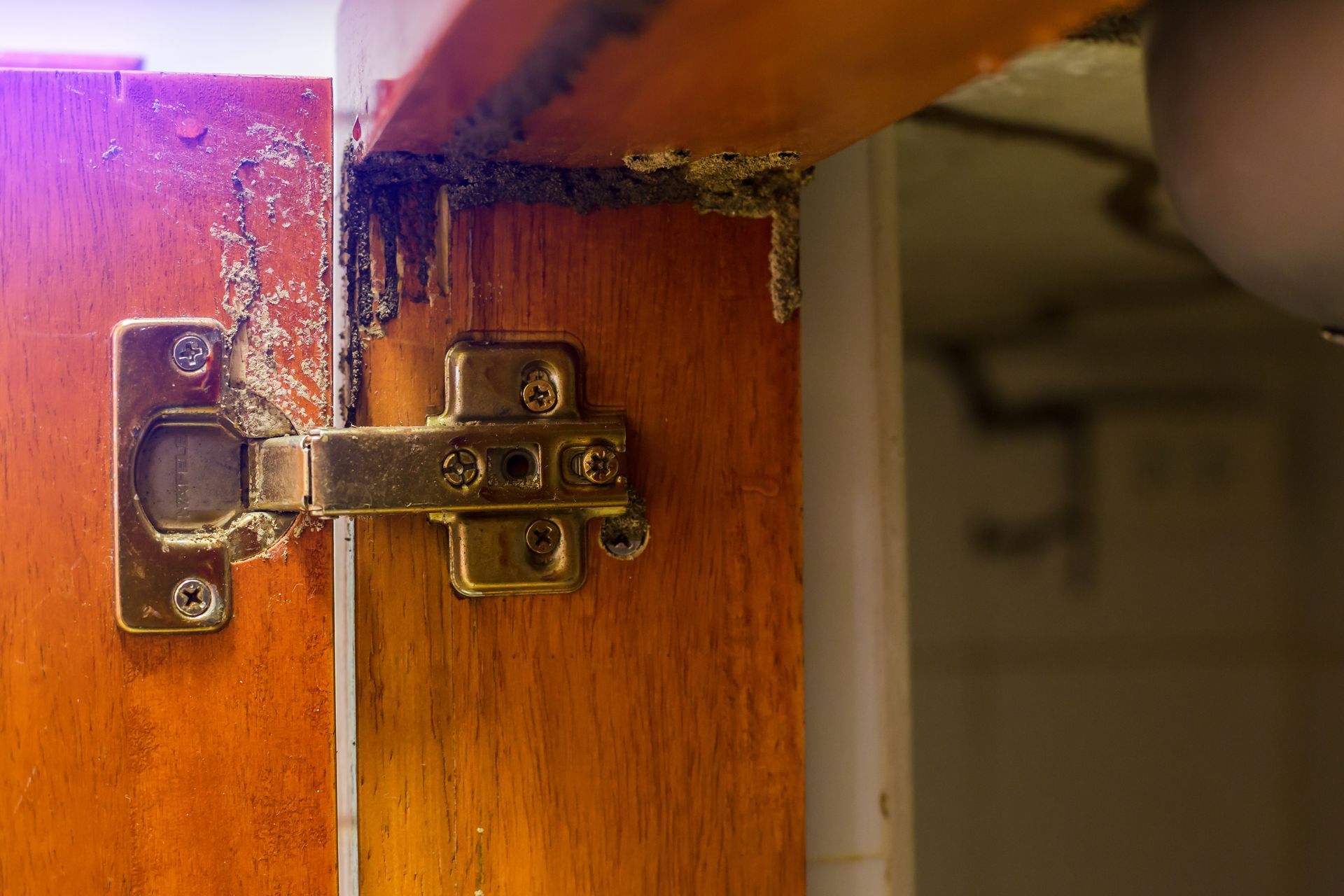
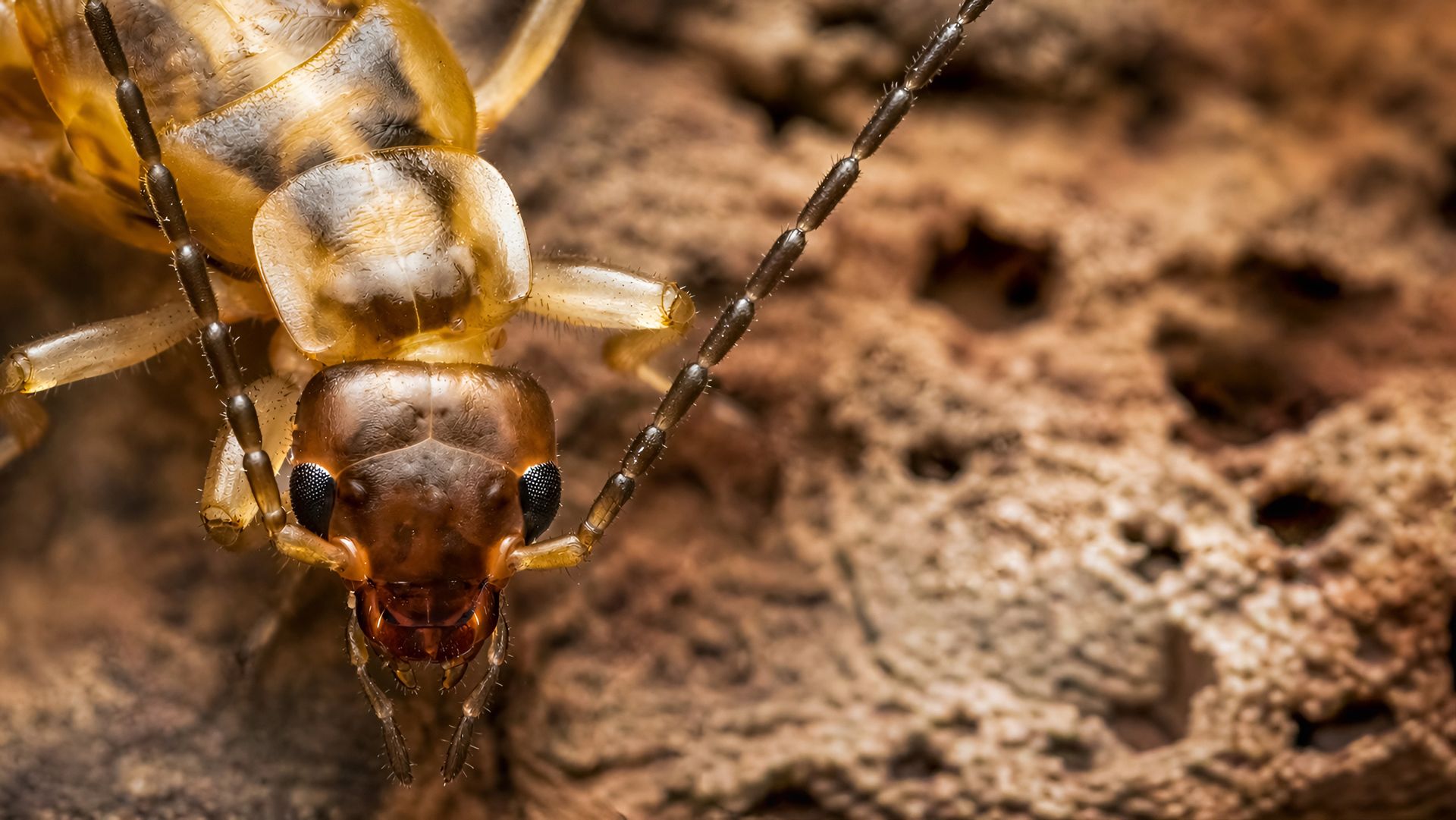
Carpenter Ants are a very common ant species seen often in the Western Kentucky area particularly in Paducah and Owensboro. Carpenter ants can vary is size and color making it difficult for some to identify them correctly. While usually a dark black color they can sometimes be dark red or even brown in limited situations. Carpenter ants do not digest wood as many people believe but hollow out wood damaged from moisture to hollow for their galleries. Their diet consists of other insects, honeydew, sap and moisture from plants. Many people in the Paducah area confuse carpenter ants with termites as both tend to “swarm” in the spring. Termites will typically swarm earlier in the year than carpenter ants usually between late February through late April. There are several things to look for in decerning the difference between the two species. Firstly, Carpenter ants in Western Kentucky have a very defined three segmented body whereas termites do have a three segmented body the reproductives appear to the untrained eye to have two segments. Carpenter ant reproductives will have two sets of wings but the wings are unequal in length. Termite reproductives also have wings but they are of equal length. Like the termite swarmers both species shed their wings during reproduction and most die shortly after mating. Carpenter ants also have two nodes between the abdomen and the thorax and a termite does not possess nodes. Another common ant that also swarms is the citronella ant. It typically is a reddish color, has only one node and releases a smell similar to a citronella candle when squeezed. Common signs of carpenter ant infestations are large ants foraging primarily at night, sawdust falling from open foraging areas and galleries identified with insect parts inside. I encountered a very large carpenter ant infestation in the Paducah area several years ago that was so large that I believe I had a rodent or bird infestation inside of hollow wall. The customer was complaining of loud noises in a wall void and agreed to open it up for inspection. Upon gaining entry I was surprised that the noises I was hearing was coming from carpenter ants building galleries not a rodent or bird trapped in the wall.
Another very common ant species in Western Kentucky is the odorous house ant. Many people refer to them as sweet ants or coconut ants with the latter being the odor they emit when crushed. Sweet ant is the name most used in the western Kentucky area. The sweet ant name derives from the fact that the odorous house ant is readily attracted to sweet items containing a high amount of sugar. Those also feed upon honeydew, secretions from aphids and on protein items. Odorous house ants in Paducah are very small, only measuring 1.5 to 3.2 millimeters. Odorous house ants are very prolific breeders. The colony contains multiple queens so if one dies or part of the colony is destroyed the colony will continue to thrive. Given their small size it can be very tough to exclude them from your home and great care must be taken when trying to control their populations with chemicals. Quick acting pesticides or repellent formulations can cause colonies to “bud”. Budding is a process in which the colony has been disturbed or contact has been cut off between members of a colony. When a residual pesticide blocks their normal travel path the budding process begins and a new colony is created. Always use a non-repellant insecticide when dealing with ants and it is always best to use a slow acting bait to get control of the colony.
Another similar ant found in the western Kentucky areas of Paducah, Owensboro, Henderson, Madisonville and Hopkinsville are the pavement ants. The pavement ant is listed many times as the most numerous ant species in the Ohio Valley region. They are very similar to the odorous house in color but are slightly larger. Workers are typically 2.5 to 4 mm in length with the queen being significantly larger at 7 to 8 mm long. Queens live anywhere from 10 to 20 years making their expansion relatively easy due to her prolific egg production. As the name implies they are commonly found under pavement, pavers, asphalt or concrete slabs. Their tell-tale dirt mounds any place there is a break in pavement or concrete is a calling card to what type of ant you are dealing with. While not large enough to be harmful to most mammals’ pavement ants can be very aggressive and fiercely defend their colonies from disturbance. Their battles with other ant colonies and other social insects can go on for days as they defend the colony from intruders. Similar to odorous house ants they feed on nectar, honeydew, sugary items as well as proteins, insects and small grains. Pavement ants leave very distinct pheromone trails communicating with others by dragging their gaster along the ground as to the location of food sources.
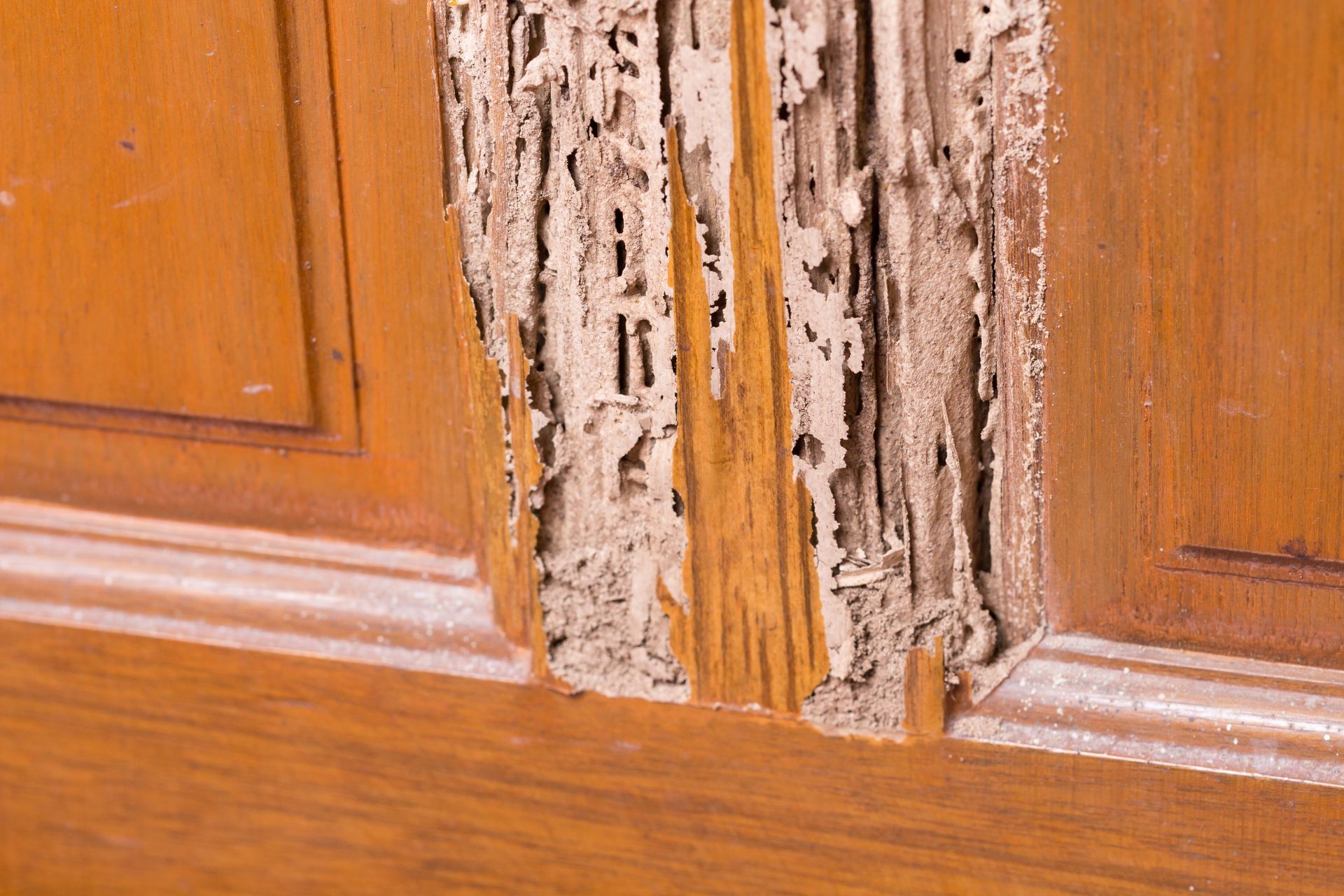
Recently in Murray, Kentucky I encountered a very large acrobat ant colony that was originally mistaken for termites. While not typically wood consumers these ants had established a colony in a wall void and had damaged the lining of the drywall similar to what you see in termite infestations. The acrobat ant or cocktail ant is very small with most workers full grown length at 2.5 to 5 mm in length. Queens can be much larger, between 7 to 9 mm. They are relatively easy to identify due to their heart shaped abdomen that they lift into the air like a scorpion when disturbed. The highly aggressive ant can release a type of venom that is similar to formic acid in defense of the colony or when approached by predators. Acrobat ants readily bite and swarm an attacker to keep them from invading the colony. They also create symbiotic relationships with other insects such as aphids. Acrobat ants commonly protect aphids in exchange for one of their most common food which is honeydew. Acrobat ants are omnivorous, frequently attacking wasps to raid their nest in search of wasp eggs, pupae and larva. They also will feed on dead insects including wasps and hornets as they seek out sources of protein.
Argentine ants are another very common imported ant that is found in the Paducah area with higher concentrations around the lake area of western Kentucky such as Benton, Gilbertsville, Kuttawa and Murray. Argentine ants are a bit larger than some of the ants we have discussed previously ranging between 2.2 to 2.8 in length. Their color blends between light to dark brown. They are commonly found in moist areas around water sources commonly making their nests beneath boards, rocks, decorative plants and in wall voids. Due to their enormous colony size they are a very difficult ant to control without involving a professional. They readily contaminate food items that they are foraging on while banding together and creating “super colonies”. In general, especially well established colonies of many ant species in the Paducah area require professional assistance to get them under control.