Hotel Horror: Bedbug Extermination in the Hospitality Industry

Hotel sign with

As a hotel manager or property owner, your list of worst nightmares likely includes typical problems in the hospitality industry, such as unruly guests, maintenance issues, and holding on to high-quality team members.


Bedbugs constitute a far more insidious problem that every manager dreads. According to the National Academy of Sciences, in the United States, "Emergency department (ED) visits resulting from bed bugs increased by over 700% between 2007 and 2010."


More recent data, while hard to come by, likely would point to an even more disastrous trend. Bedbugs impose major economic costs, management dilemmas, and ultimately a major hit to the operating income of establishments afflicted.


What Factors Leading to Bedbug Propagation in Hospitality Settings


The CDC and researchers have conducted extensive studies into how bedbugs propagate from area to area. Contrary to popular opinion, bedbugs do not discriminate between developing or developed countries or rich or poor areas, and certainly not between low-cost or high-end hotels.


Bedbugs have developed an evolutionary ability to hide in small spaces and survive without consuming blood for extended periods of time. As people travel from place to place, bedbugs come along for the ride inside luggage, clothes, and bedding.


This ability to travel across geographic areas makes bedbugs so insidious and problematic for hotel owners.


How Hotels Can Identify and Resolve Bedbug Infestations


The University of Minnesota has put together a comprehensive guide for inspecting hotel rooms for bedbugs. You may wish to provide these instructions to your own cleaning staff to help them provide advance warning of new or burgeoning infestations.


To summarize, the university recommends taking the following steps:


  • Start with inspecting the mattress. Mattresses and other cloth-based furniture items close to where people sleep act as the most common homes of bedbugs in hotel settings. Remove the sheet and mattress pad to inspect the entirety of the mattress. If there is a box spring, your staff will also want to investigate this item as well.
  • Inspect the luggage rack. If your rooms have luggage racks or valets available for guest use, inspect any crevices on these items. Bedbugs enjoy hitching rides on luggage, so these spots can often act as the origin point for a full-room infestation.
  • Inspect the headboard. Headboards often have crevices or cracks which can hide bedbugs. It may make sense for your staff members to make use of a flashlight to look between the headboard and the wall behind it for signs of an infestation.
  • Inspect other furniture items in the room. Other common bedbug hiding spots in hotel settings include pictures, frames, drawers, upholstered chairs, and other furniture items commonly used by guests.


If your staff identifies signs of a bedbug infestation, dealing with the problem promptly can prevent a minor infestation from escalating into a whole-property problem and escape the resulting costs associated with treating a larger area.


How to Keep Your Hotel Bedbug-Free


With frequent inspections, hotel managers can proactively identify bedbug infestations. But, an ounce of prevention beats a pound of cure.


Regular washings of linens, sheets, blankets, and any other fabric materials in the room will reduce the probability that bedbugs can lay eggs and survive. Vacuuming crevices and other hard-to-reach areas of a hotel room can also help to eliminate populations before they can settle in a given area.


Decluttering hotel rooms and eliminating potential hiding places for bedbugs will act as a preventative action as well. Consider the interior decor in your rooms to determine whether the space offers bedbugs sufficient areas to lay eggs.


To get started with our commercial bed bug treatment services serving the Tristate area around Evansville, IN, contact Pass Pest Control today!
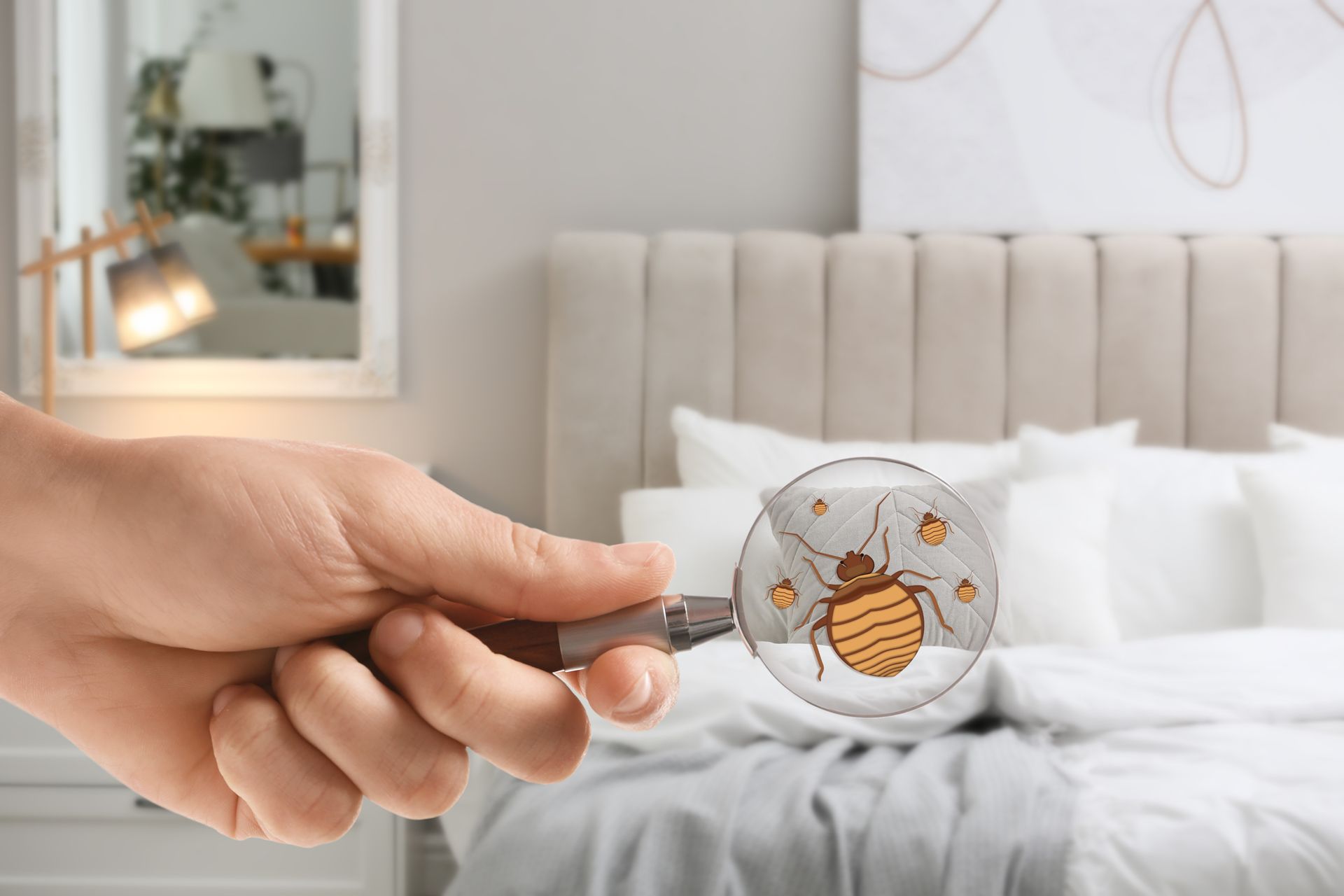
Hand holding a magnifying glass over a bed, enlarging a bee illustration near a bedroom scene
August 19, 2026
Bed bugs are small, parasitic blood feeding insects that can a comfortable home into a very unpleasant residence. Although they are not known to transmit diseases to people, their bites can cause itching and irritation, and an infestation can be difficult to correct without a complete application. However, in larger infestations the problem can cause open wounds due to scratching that can become infected. What are Bed Bugs? Bed bugs are small, dark brown insects that feed on blood. Adult bed bugs are about the size of apple seed where younger bed bugs are about the size of a grape seed and lighter in color. They are compact insects, allowing them to hide in cracks and crevices that are about the width of a dime. Despite their name, bed bugs aren’t limited to beds. They can hide in mattresses, box springs, bed frames, couches, chairs, carpets, cracks and other areas where individuals might rest. How to Identify Them? Bed Bugs can be difficult to spot because they are good at concealing themselves. Most common indications of an infestation are: Blood stains on bedding and mattresss Small dark spots indicating bed bug droppings Small eggs or cast skins Active bedbugs around tufts in the mattress, couches, chairs and cracks and crevices Red bites that occur in lines Where do they originate from? Bed bugs are excellent travelers. Bedbugs have a claw like hook similar to a tick which makes them the ultimate hitchhiker. They can enter a home through luggage, clothing, used furniture, bedding, and other personal belongings. They may also spread between rooms or apartments through cracks and other openings as well as person to person. How do you eliminate bed bugs? A few steps to take reduce your exposure to bed bugs: Inspect used furniture before you place it into the home. Use caution when traveling- inspect head boards, mattresses and all hotel furnishing before removing your items from your suitcase. Carefully check contents of luggage when returning home. Keep rooms organized which will make inspection easier in case of infestation. If you are suspicious of an item treat it for bedbugs before you place it into your home What Do I Do if I Find Bedbugs? Don’t discard of your furniture. Moving the items around can spread the infestation and make the problem worse. Start by carefully inspecting the area where bedbugs were observed. Wash and dry bedding on the highest setting available. Vacuuming is a valuable tool in helping to control infestations but can’t eliminate bedbugs on its own. Bed bugs can conceal themselves in cracks and crevices. Professional pest management may be necessary if the infestations is well established. What to Do? Bed bugs are an unpleasant, but they are a manageable pest problem. Early detection makes treatment easier. If you suspect and problem, inspect carefully, avoid spreading potentially infested belongings and consider contacting a qualified pest control professional for an appropriate treatment plan. If you are experiencing a reoccurring bed bug problem it is likely that you are coming into contact with an infected person or infested item. The key is to act in an organized manner rather than relying on a single treatment for moving to another room. With careful inspection and the correct treatment protocol bed bugs can be eliminated. There are many types of treatments for bedbugs and all of them work to a certain extent depending on the level of infestation and the condition of the home being treated. Heat is a very common way to control bedbugs but it only has about an 80 percent success rate. High clutter and easy avenues to avoid heat impact the ability of heat treatments to be successful. Temperatures have to be maintained at a level of 140 degrees or higher for at least three hours to see optimum results. Uncontrolled heat applications that maintain heat at 150 degrees for higher can result in serious damage to furniture, wiring and belongings. Chemical applications tend to perform very well in small to medium infestations but are challenged by aggressive, more populated bed bug infestations. Cryogenic applications do an excellent job of killing bedbugs on contact but do very little in controlling hidden infestations and leave no chemical residual for long term control. Fumigation is likely the most reliable method. Performed at the proper dosage rate a variety of insects and rodents can be eliminated with fumigation. However, fumigation tends to be more expensive that other applications and leaves no residual as chemical applications will.
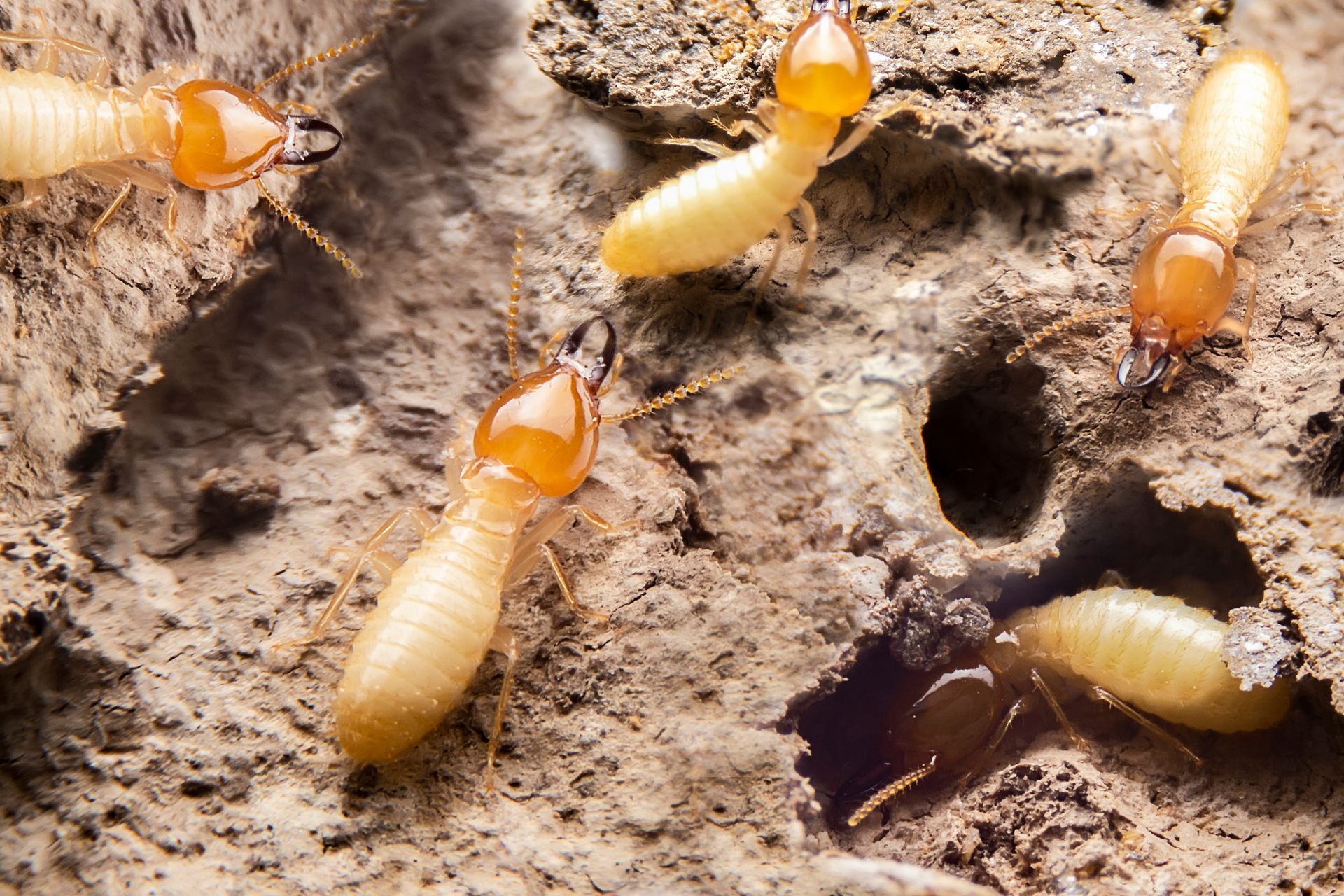
Macro close-up of a termite on decayed wood showing infestation damage.
July 26, 2026
Get expert termite control treatment in Eddyville, KY from Pass Pest Control. Effective solutions, free inspections. Call (270) 477-6695 today!
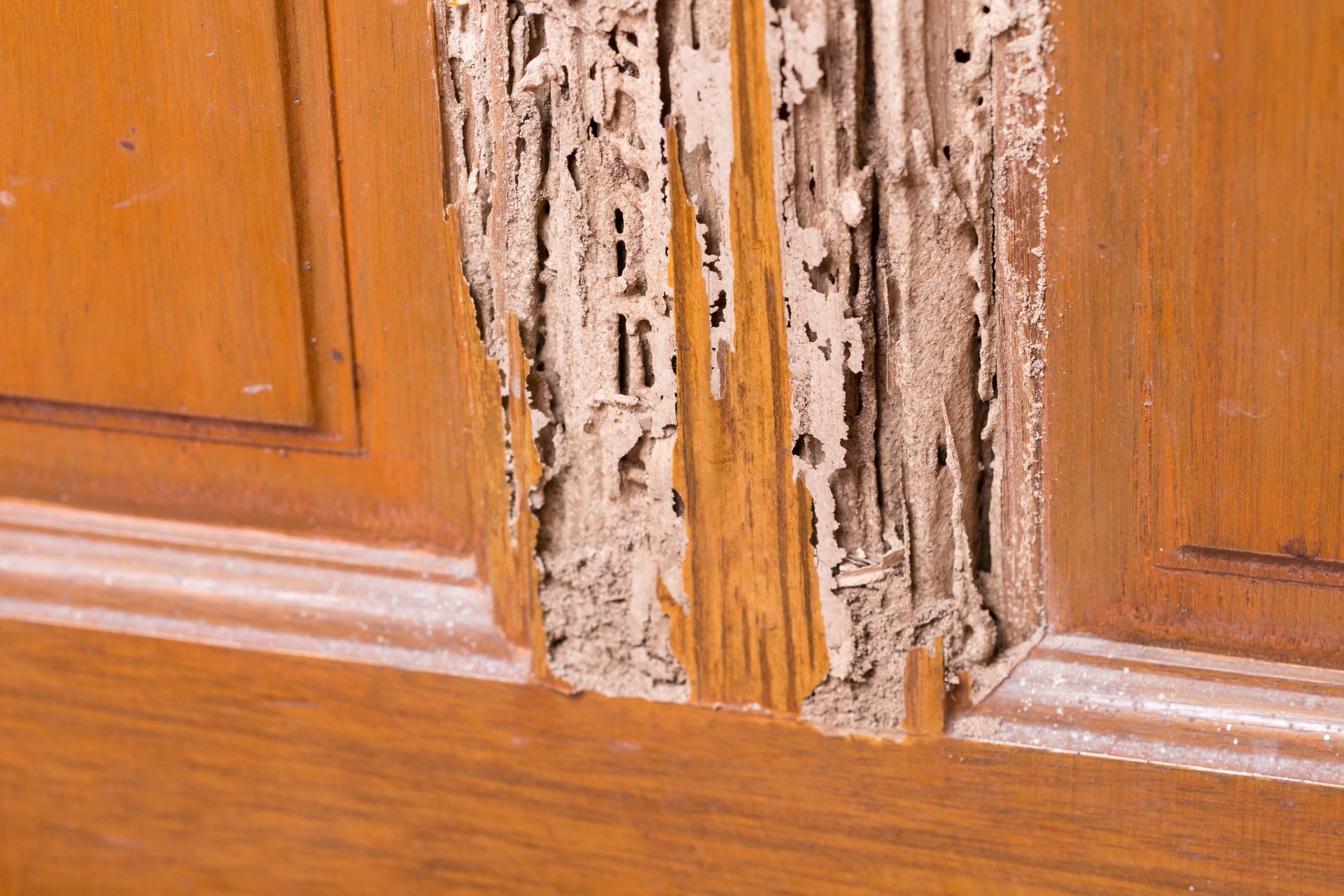
close-up of wooden door severely damaged by termites, with visible tunnels and wood deterioration.
July 14, 2026
Spot hidden termite damage early. Pass Pest Control provides effective termite control serving Jasper, IN. Free inspections available. Call today.
Wood surface shows signs of termite infestation.
June 19, 2026
Protect your Jasper, IN home with professional termite control from Pass Pest. Inspections, soil barrier treatments & annual check-ups. Call today!
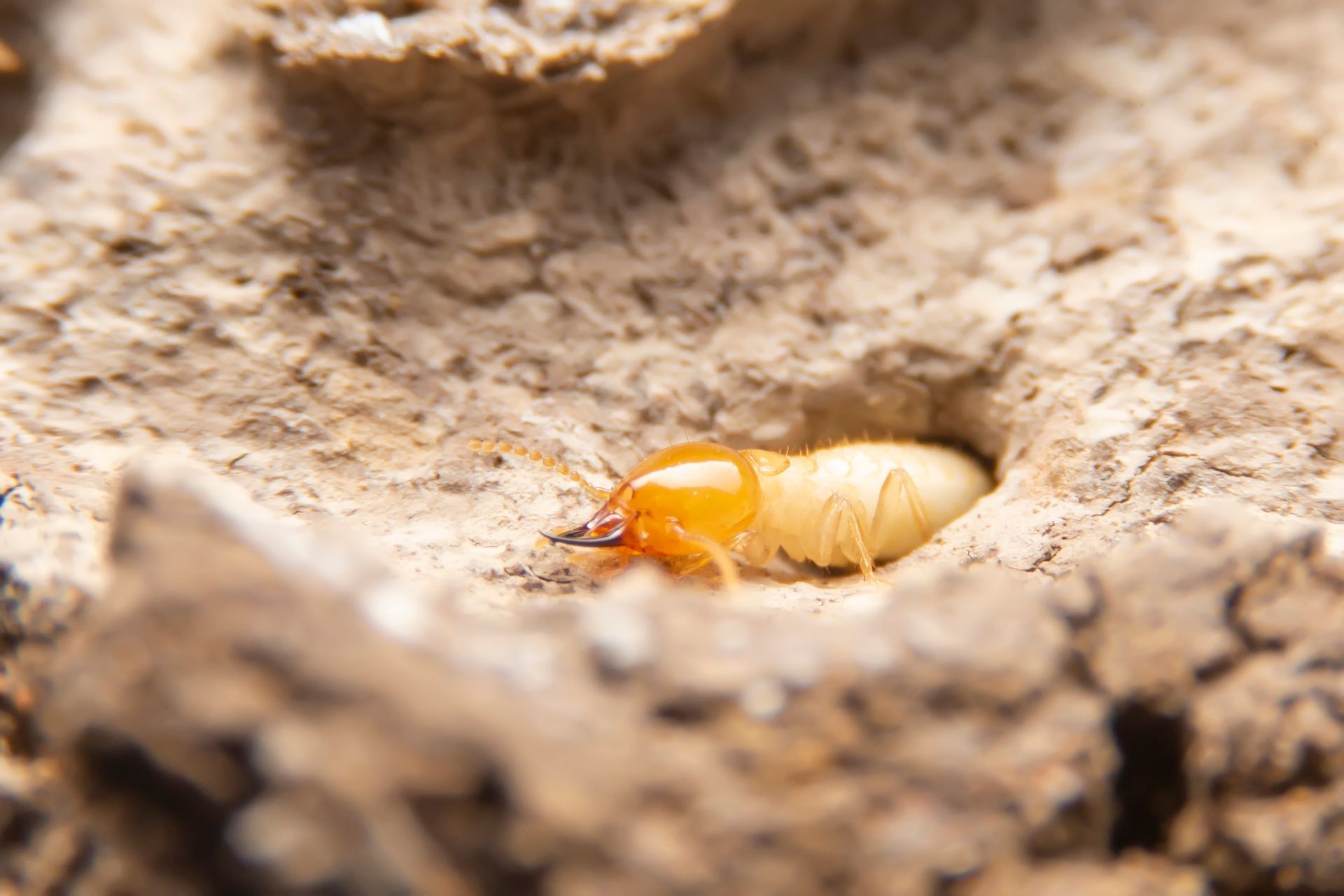
Termites in the nest on a white background
May 8, 2026
Explore termite control in Jasper, IN, with Pass Pest Control. Learn about local seasonal risks and effective solutions. Click here for expert help!
An exterminator with a blue work outfit
April 17, 2026
Discover essential termite control in Tell City, IN! Follow our preventative tips to safeguard your home. Click to rad more from Pass Pest Control now.
Termites walking on the ground.
March 6, 2026
Discover when to schedule termite control treatment in Jasper, IN. Click here to protect your home today with Pass Pest Control's professional tips!
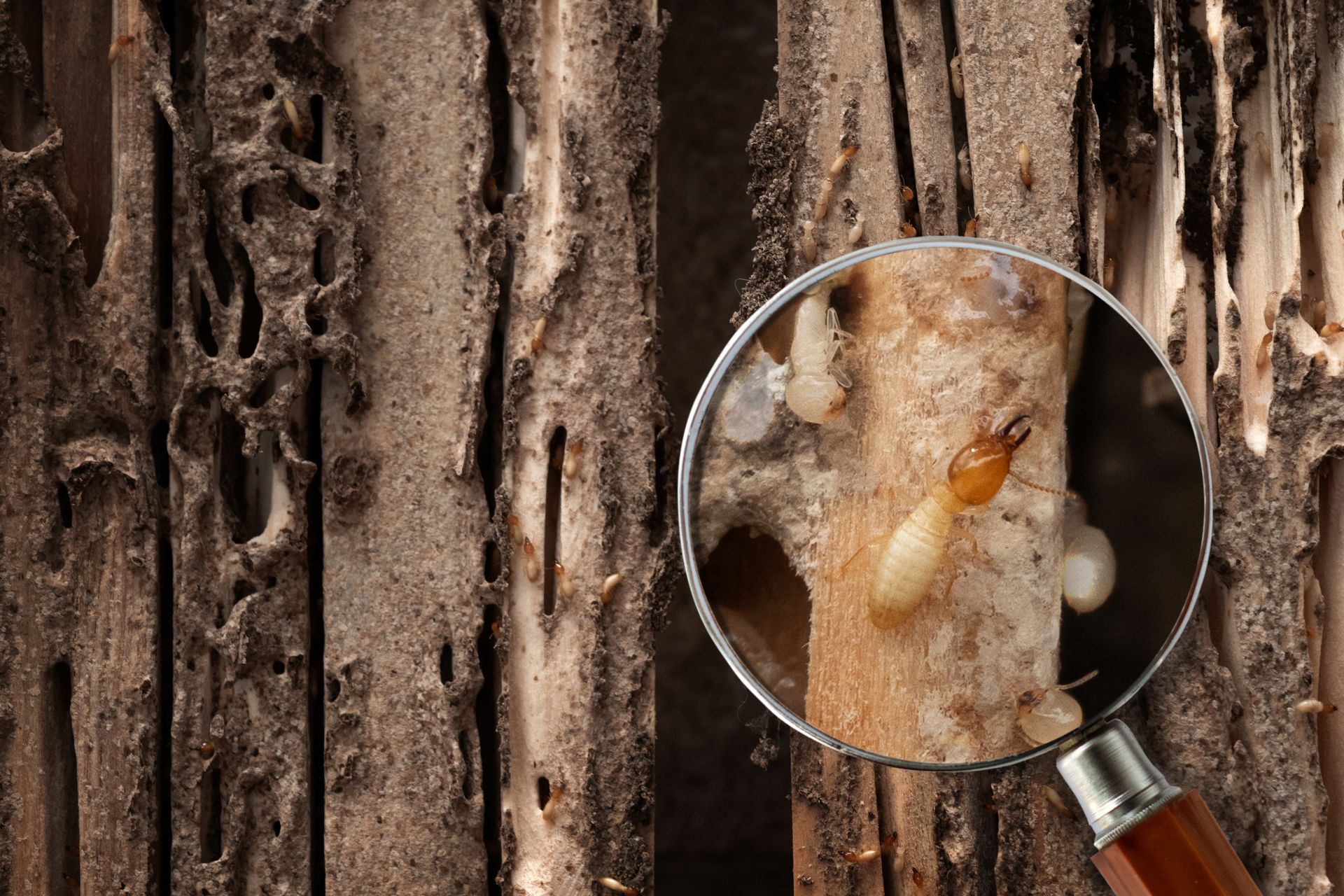
A magnifying glass showing termites on damaged wooden surface with visible tunnels.
January 20, 2026
Need termite control in Eddyville, KY? Pass Pest Control offers timely inspections and treatment. Call (270) 477-6695 to protect your home today.
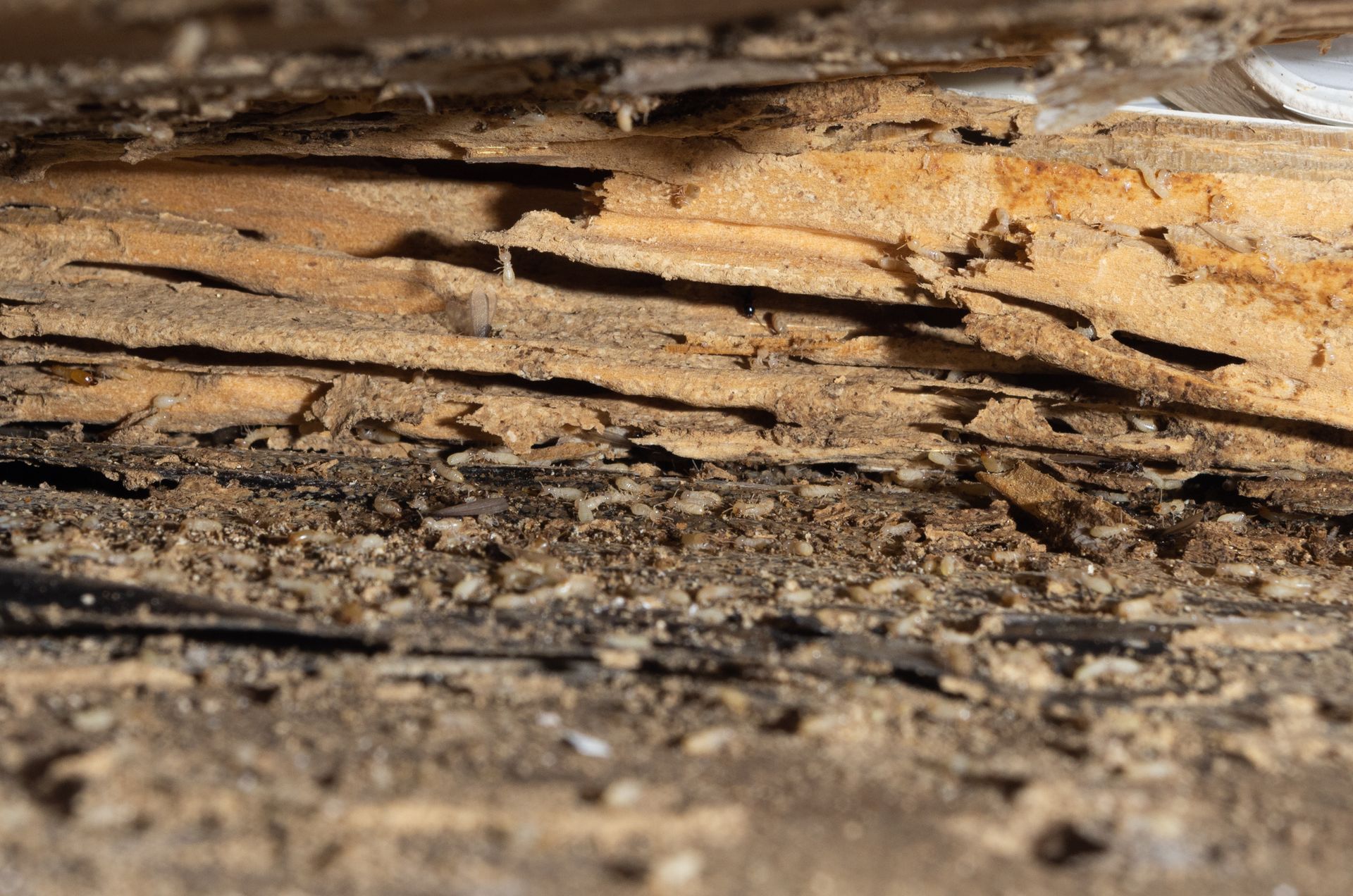
Close-up of termite-damaged wood with layers and debris.
December 15, 2025
Protect your home with termite control treatment in Tell City, IN from Pass Pest Control. Call (270) 925-3323 today to schedule an inspection.
Man in blue uniform using pest control equipment on a brick patio near a house.
December 15, 2025
Effective termite control treatment in Greenville, KY, by Pass Pest Control. Protect your home—call (270) 925-3323 today.
More Posts