BED BUGS: HERE IS WHAT YOU SHOULD KNOW!

Most people have heard of Bed Bugs, but do not really give it much thought because they are careful and could never let those pests into their home. Unfortunately, that cannot be guaranteed, and thousands of people are affected by bed bugs every year.
Because of the way bed bugs get around, anyone is a fair target. It does not matter how clean or dirty the home is, bed bugs will infest anywhere they can find a host. You can determine if you have an infestation by looking for the right signs, and like any infestation the earlier you find the problem and treat, the easier it is to get rid of.
What are Bed Bugs?
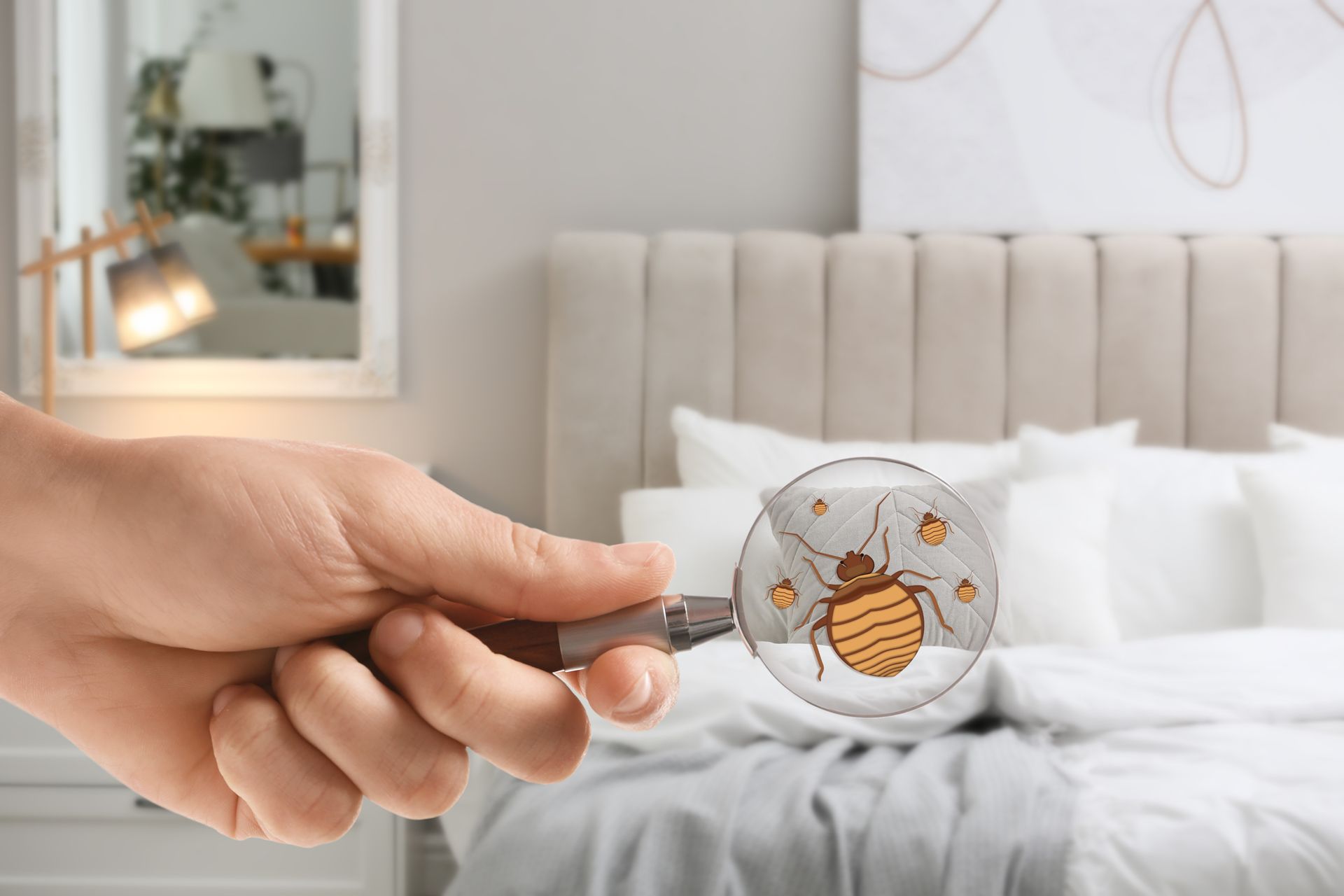
Bed bugs are small parasitic insects usually the size of an apple seed. Adult bugs have a flat, oval shaped body and are reddish-brown in color. As they feed, they begin to puff up and can become redder in color.
Although they are small, the adult bugs are not small enough to be invisible to the naked eye. Bed bugs who are still in the early stages, nymph stage, of life can also be visible to the naked eye, but due to their smaller size and pale color they can be more difficult to spot and blend in easier with their surroundings.
Bed bug eggs are more difficult to spot and nearly invisible to the naked eye. They are about the size of a spec of dust and are white-ish in color. Bed bugs also tend to lay their eggs in areas that would make them hard to find such as seems in mattresses, folds in furniture, and joints of headboards.
As stated above, bed bugs are parasitic mean they require blood meals for survival. They get their name because they are mostly found in beds where they have easy access to a host. Although they can eat and move around at any time of day, these pests are nocturnal, and night is the easiest time to find a host undisturbed.
Bed bugs can be found in any room of the house. They can be found in furniture, cracks on the floor, behind picture frames, and even inside of your walls. Once an infestation begins, no room is off limits. They can begin to infest anywhere, including rooms without a bed.
How do Bed Bugs Get Around?
Bed bug infestation do not occur in the same way other pests infest the home. Other pests will linger around the outside of the home, making their way closer and closer to the home until they can gain access. However, with bed bugs you are extremely unlikely to find these pests lurking outside the home.
Bed bugs are indoor bugs and like many of us they love to travel. The bugs will climb into luggage, boxes, or packages; they also can attach to clothing and shoes. They use these items to get around to their next destination. Here is an example of how easily bed bugs can travel to a new location.
Imagine a home with a bed bug infestation. The owners of the home are unaware of the infestation and have a vacation planned they are packing for. As they are packing a couple bed bugs manage to make their way into their suitcases.
They leave for the airport unknowing of their extra passengers. They put their luggage into the overhead bins, and soon into the flight the bugs find a way out of their luggage into the luggage of a businessman returning home. Unknowing of what is waiting for the businessman in his suitcase, he makes his way home from his flight and unpacks. The bed bug finds a place to hide in the home until it can begin to feed off the new host. This is the start of a new infestation and the businessman has no idea.
What are the first signs of an infestation?
As you can see from the story above, bed bugs mode of transportation prevents typical forms of pest prevention from working. Sealing openings in and around the home will not keep them out. Eliminating food and eater sources is ineffective (and impossible since you are the food source).
Preventing bed bugs from coming in your home can be nearly impossible, unless you are committed to inspecting every person, bag, box, or other items brought into your home. Instead, it is important to familiarize yourself with the early signs of an infestation. This way if you start to see activity you can get a head start at eliminating the problem.
When people first start to suspect bed bugs it is often because they are noticing bite marks on their body. Bed bugs usually feed at night and their bites are pretty much painless, so you are unlikely to wake during their feeding. However, if you start waking up in the morning noticing red, itchy bumps or they start to develop over a few days it may be because of Bed bugs.
Bed bug bites can be confused with flea bites because they have a physical similarity. However, there are a few differences that can help you decipher which pest you are dealing with. Fleas prefer extremities, especially ankles and feet, while bed bugs prefer to bite the trunk of the body. Also, fleas tend to bite haphazardly, while bed bugs tend to bite in a linear or zig zag pattern.
If you are finding bites around your trunk area that are red and itchy, in a linear pattern the chances are you have bed bugs. To determine if you do you should take further action to look for other signs of activity. Even if you do not have bites, it is good to know the other signs of bed bugs so you can regularly check to make sure your home is safe. Early detection is the best to eliminate a bed bug infestation easily and thoroughly.
What are other signs of an infestation?
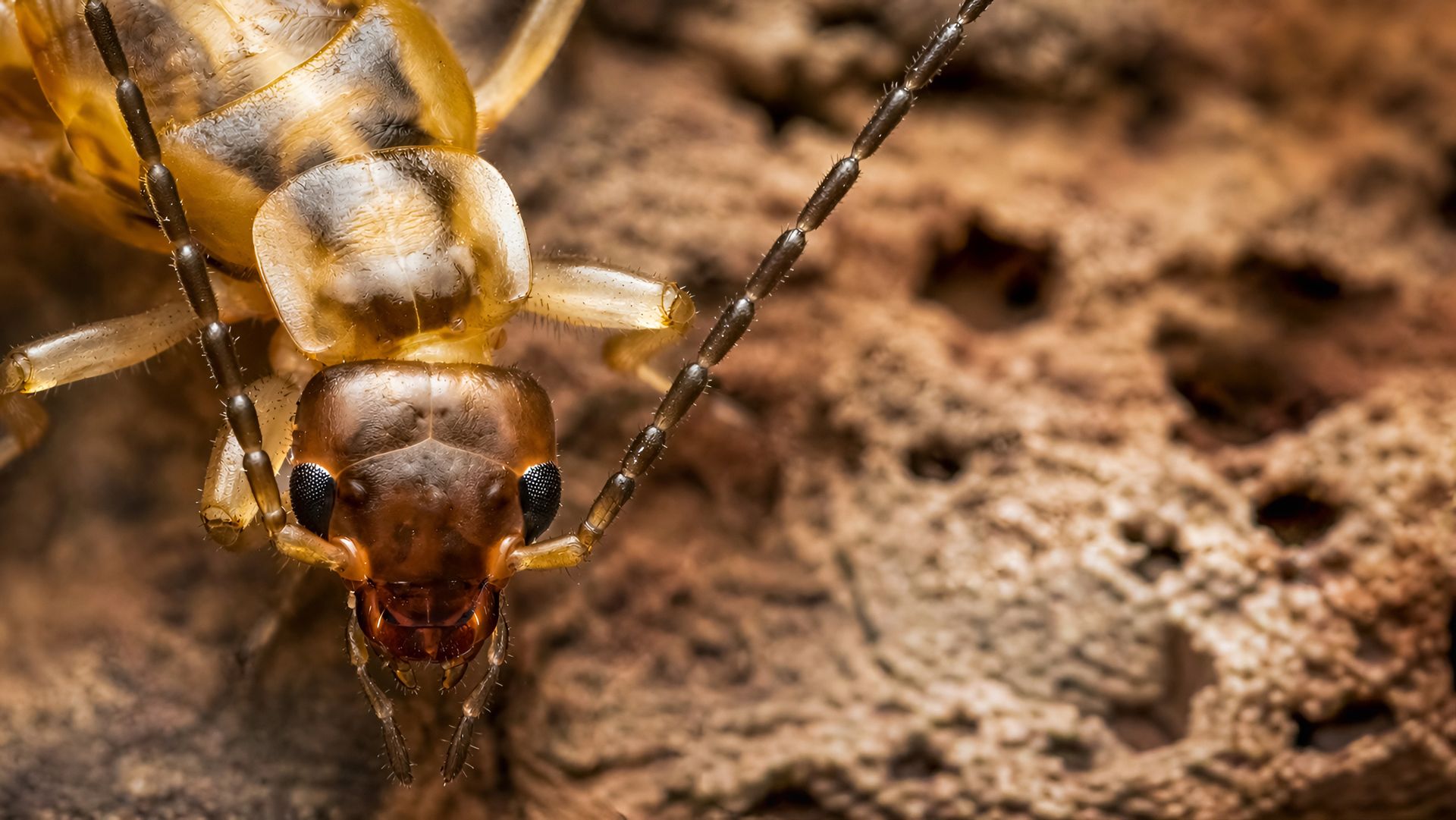
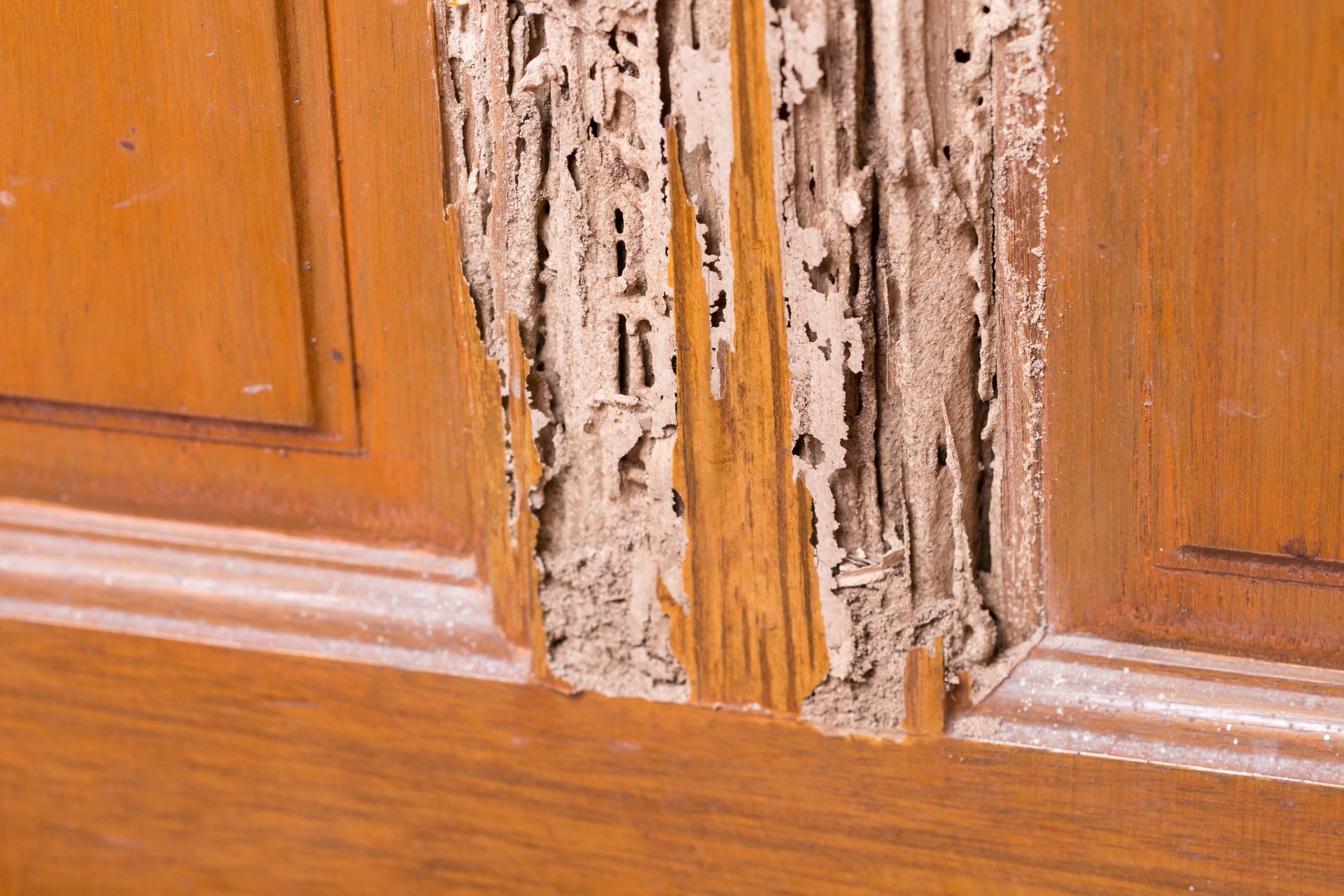
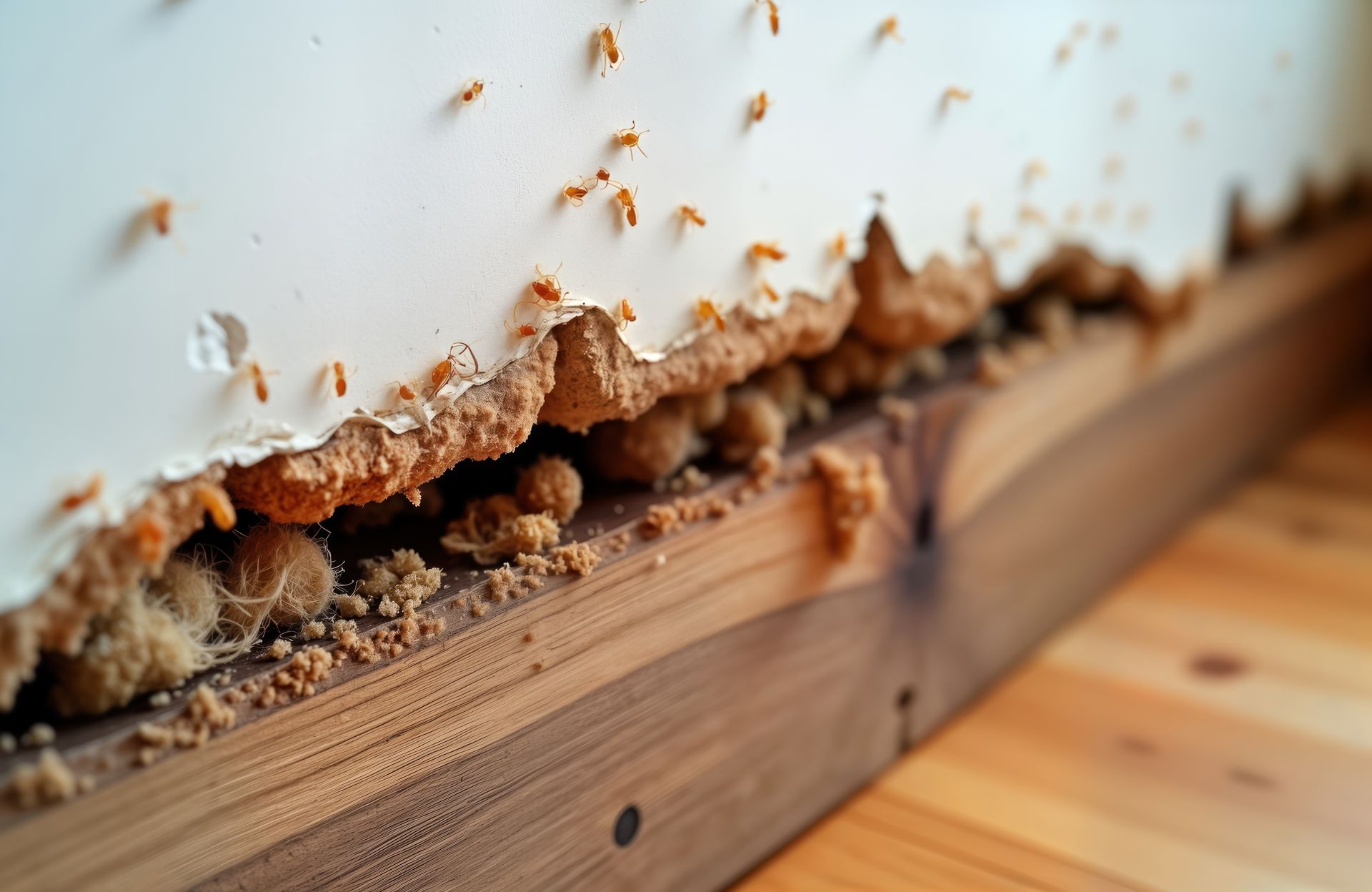
Although bed bugs tend to hide, they are not very good at hiding the fact that they are present if you know what to look for. Unlike some other pests, such as termites, that can be easily missed even when there are tens of thousands of them in your house, usually if you take a proactive approach in looking for signs of bed bugs, you will usually find them if they are there.
Whether you have noticeable bites or not one sign to look for is the blood stains from when they were feeding. Not everyone will develop red, itchy bumps so it is important to check for these signs, even if you do not have noticeable bites. Check you sheets, blankets, and pillows for tiny red dots. These small drops of blood sometimes drip out as they make their way back into hiding after their meal.
Similarly, sometimes bed bugs leave behind excrement as they travel around your bed. Look for small brown or tan streaks on sheets, blankets, and pillows. Both excrements and blood droplets show up best on light colored sheets, so if you are worried about bed bugs it is best to use lighter colored sheets, to be able to look for signs.
Another sign of bed bugs activity is seeing the bed bugs themselves. Since adult bugs are large enough to see with the naked eye you just need to know where to look for them. You should start where they are most often found then work from there:
- Pull the sheet off the mattress and check along the seams of the mattress.
- Look between the mattress and box spring.
- Check between the mattress and headboard and the mattress and footboard.
- Look behind picture frames on the wall.
- Check along the edges of the room where the wall meets the floor, as well as crack in the floor.
- Check along seams of furniture, in every room of the house, not just the bedroom.
- Unscrew outlet covers and check behind them. This is how bed bugs get into walls and travel to new rooms.
As well as looking for adult bugs you can also look for casings left behind by newly hatched bugs. Although these are harder to see due to their light color, they can be found in clusters. The same goes for live bed bugs nymphs and eggs. These can be harder to find than adult bugs, but not impossible if you know what you are looking for.
What should you do if bed bugs get into your home?
If you do find evidence of bed bugs during your search you should act right away. Bed bugs breed rapidly, and a small infestation can turn into a large infestation if not taken care of in a timely manner. Do it yourself bed bug treatment can work, but they rarely provide the results homeowners are looking for. The DIY treatment can occasionally reduce the problem but can often leave behind some bugs. Even a few bugs left behind can be enough to restart an infestation.
It is best to contact a professional to ensure that the problem is taken care of. There are many different treatment methods to treat bed bugs. Be sure to ask you local pest experts to go over these options in order to ensure the best form of treatment for you.
Don’t let pests take over your home or business. Our team of experts is here to assist you with all your pest problems. Call Pass Pest Control at 812-575-4244 to schedule your free estimate today.